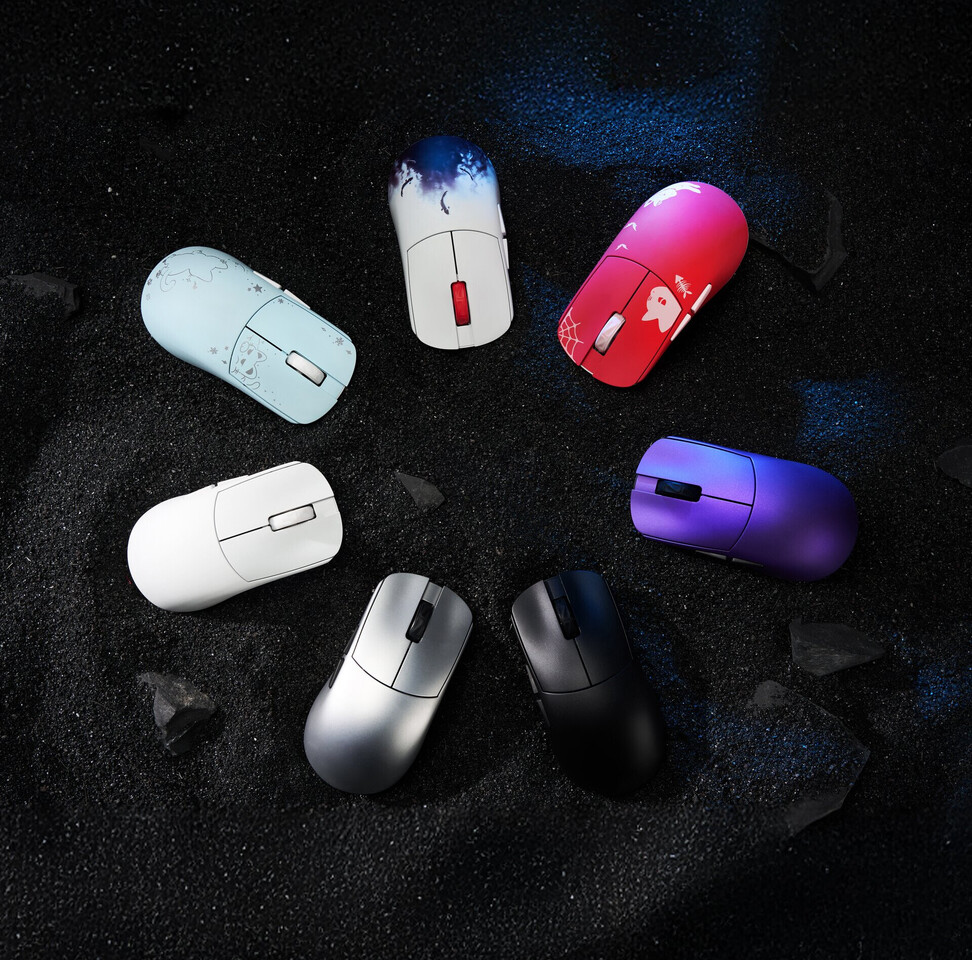
The problem with lightweight gaming mice has always been durability. Carbon fiber, the material of choice for decades, is strong but prone to scratches and deformation under heavy use. It also lacks the flexibility and premium feel that some gamers demand. Now, WLMouse has introduced a solution: the Ying Magnesium, which replaces carbon fiber entirely with magnesium alloy, delivering a 47-gram weight while maintaining rigidity and performance.
This isn’t just about shedding a few grams—it’s about rethinking how lightweight mice are built. The Ying Magnesium addresses two key pain points for competitive gamers: weight and durability. At 47 grams (±2 g), it’s lighter than many carbon-fiber mice, reducing hand fatigue during long sessions. Meanwhile, magnesium alloy resists scratches and deformation far better than carbon fiber, which can warp or crack over time.
Performance Redefined
- 8 kHz polling rate for ultra-low input lag
- Wireless-only design with no wired variant planned
- PixArt PAW3950 sensor optimized for high-speed tracking
- Switch options: Omron Optical (lighter) or TTC Nihil Transparent Black Dot (heavier, more deliberate)
The switch variety allows users to customize the click feel, with Omron offering a lighter touch and TTC Nihil providing a slightly heavier response—both designed for precision in fast-paced games. The magnesium shell isn’t just about weight; it’s also engineered to maintain rigidity while resisting wear, addressing one of the biggest criticisms of carbon fiber builds.
Why This Shift Matters
For gamers, the difference between a 50-gram and a 47-gram mouse might seem small, but the cumulative effect over hours—or days—of play is substantial. Reduced hand fatigue translates to better endurance in long sessions, while the magnesium’s rigidity ensures performance doesn’t degrade even after prolonged use. This isn’t just an incremental upgrade; it’s a fundamental rethinking of how lightweight mice are constructed.
If the Ying Magnesium proves as durable as its specifications suggest, it could set a new benchmark for competitive hardware. Other manufacturers may be forced to innovate in materials and ergonomics, pushing the industry beyond carbon fiber and toward more resilient, performance-focused designs.
The Future of Lightweight Gaming
Pricing details remain under wraps, but an official launch is expected on March 10. The question isn’t just whether this mouse will perform as advertised—it’s whether magnesium can become the new standard for lightweight gaming peripherals. If so, we’re likely to see a wave of innovation in materials, durability, and ergonomics that could redefine what gamers expect from their hardware.