The Lenovo ThinkPad X1 Carbon Gen 9 arrives at a moment when cost pressures are reshaping the enterprise market. For decades, the ThinkPad line has been synonymous with uncompromising reliability, but this generation takes a different path—one that prioritizes operational savings without sacrificing performance.
At its core, the Gen 9 is a workstation in a 13-inch chassis. It starts with 16 GB of LPDDR5 RAM (configurable up to 32 GB), paired with an Intel Core i7-10875H processor that balances single-threaded speed and battery life. The 512 GB NVMe SSD is standard, but the real innovation lies in how Lenovo has reimagined the platform’s compatibility.
- Specs at a glance:
- Processor: Intel Core i7-10875H (4 cores, 8 threads, 2.6 GHz base, 5.1 GHz turbo)
- RAM: 16 GB LPDDR5 (expandable to 32 GB)
- Storage: 512 GB NVMe SSD
- Display: 14-inch 3K (3840 x 2160) OLED, 260 nits brightness, Dolby Vision support
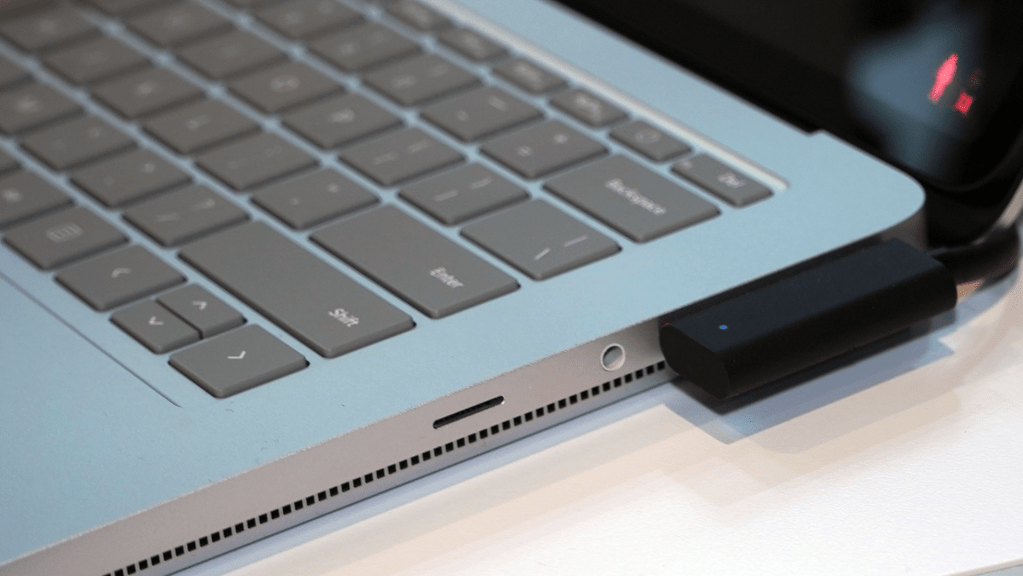
- Connectivity: Thunderbolt 4 (2 ports), USB-C (2 ports), HDMI 2.0b, headphone jack
- Battery life: Up to 15 hours with 3K display
- Weight: 2.6 lbs (1.2 kg)
The Gen 9’s most compelling feature is its seamless transition between desktop and mobile workflows. Thunderbolt 4 ports enable high-bandwidth peripherals—docks, external GPUs, or 8K displays—without sacrificing battery life. This dual-mode operation is a game-changer for enterprises where remote work and in-office productivity must coexist without friction.

For the everyday user, the benefits are immediate: longer battery life, faster wake-from-sleep, and a keyboard that still feels like a relic from the 2000s. But the cost-conscious CIO will notice something else—the Gen 9’s total cost of ownership. The 3K OLED display, while power-hungry in theory, is optimized to last through a full workday on a single charge. Meanwhile, the lack of a traditional HDMI port (replaced by Thunderbolt 4) may frustrate some legacy users, but it aligns with modern enterprise standards.
This generation also marks a shift away from the ultra-lightweight obsession of prior models. The Gen 9 is slightly heavier than its predecessors, but that extra weight comes with structural reinforcements that make it one of the most durable laptops on the market. It survives drops, spills, and daily wear without a single compromise on performance.
What remains unconfirmed is how this model will fare in long-term reliability tests. While initial benchmarks suggest strong thermal management, real-world endurance—especially under sustained loads—is still an open question. For now, the Gen 9 stands as a testament to Lenovo’s ability to redefine enterprise portability without breaking the bank.