Apple’s iPhone Air series has always been a curiosity—a line of devices that promised premium build quality without the cutting-edge performance or features of its flagship counterparts. Now, with the iPhone Air 2 rumored to launch in the fall of 2026, questions arise: Is this iteration a subtle refinement, or does it signal another misstep for a product category that has struggled to find its footing?
The latest whispers suggest Apple is sticking to its traditional fall release schedule for the Air variant, despite reports of delays and staggered rollouts for other iPhone models. The iPhone 18 lineup, for instance, may span both fall 2026 and spring 2027, but the Air 2 appears poised to arrive on time—albeit with only very small changes. This raises the stakes: If Apple isn’t willing to invest in significant upgrades, what’s the point of the iPhone Air at all?
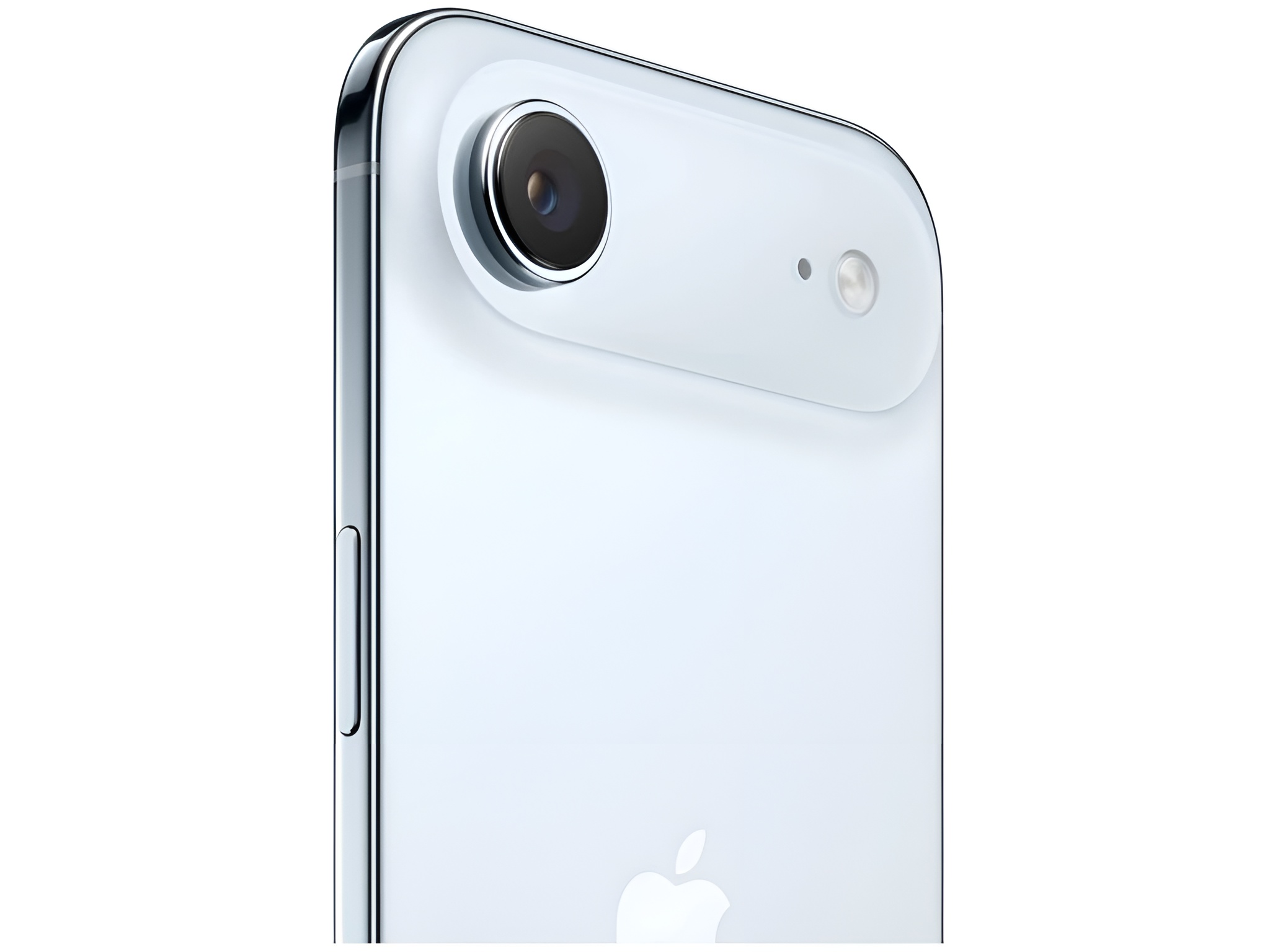
Rumors have swirled about a dual-camera setup for the Air 2, but those expectations may be dashed. Instead, the device could focus on efficiency gains through advanced OLED technology. Specifically, Apple is reportedly adopting Samsung’s Color Filter on Encapsulation (CoE) OLED panels, which eliminate the need for polarizing films, making displays lighter and more power-efficient. This isn’t just a technical tweak; it’s a nod to the future of display technology, even if it doesn’t address the core question of why the Air line exists in the first place.
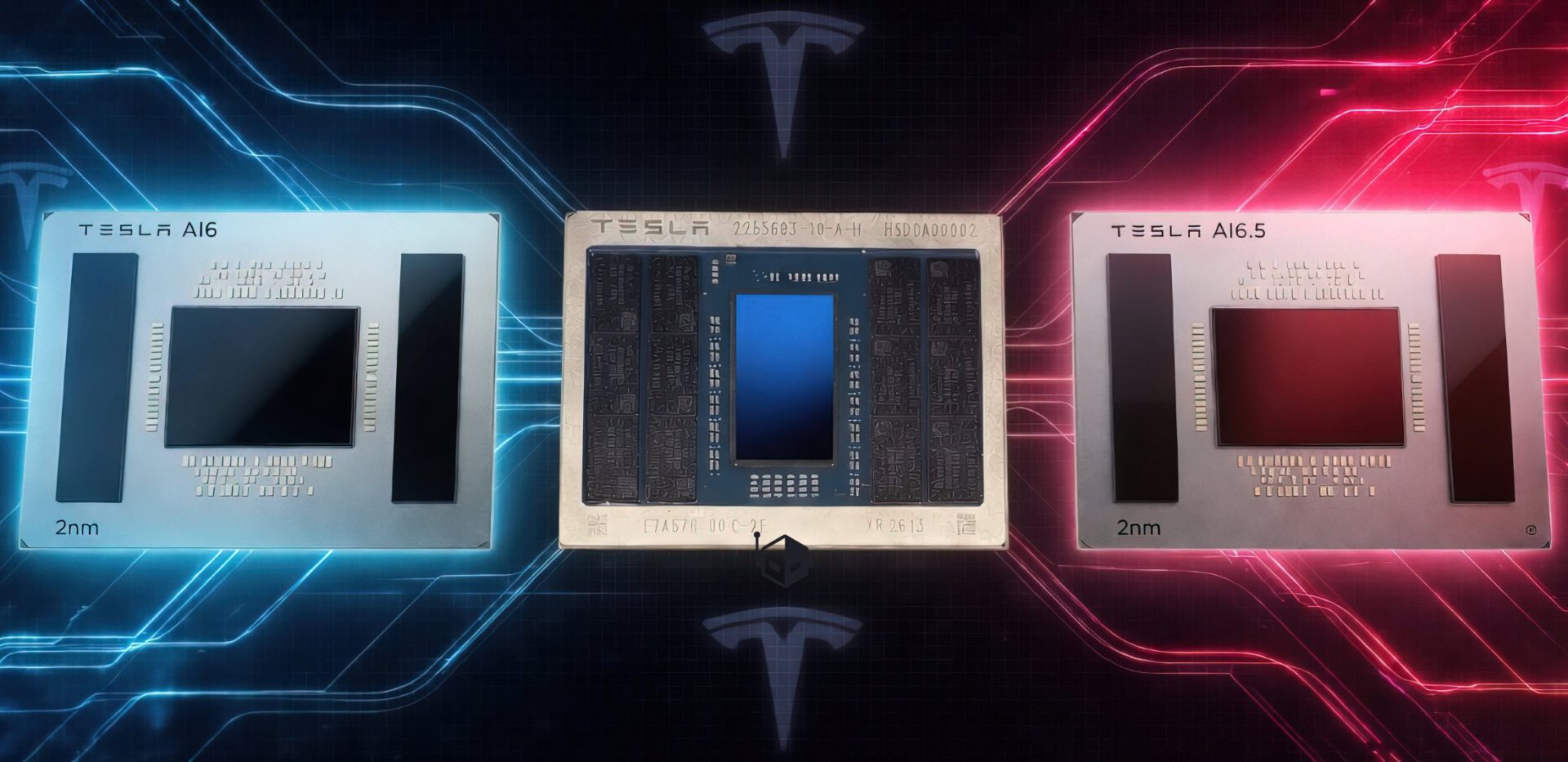
One potential answer lies in Apple’s chip roadmap. The A20 SoC, rumored to leverage TSMC’s 2nm process with Wafer-Level Multi-Chip Module (WMCM) packaging, could be a game-changer—but only if Apple can scale production without bottlenecks. TSMC’s ramp-up of WMCM capacity in 2027 suggests that the Air 2 might not face immediate supply constraints, even if it doesn’t push boundaries like its more expensive siblings.
Yet, the real test for the iPhone Air 2 will be its reception. If previous iterations have been met with lukewarm sales, Apple may need to rethink its strategy. The Air line’s appeal has always been its slimness and affordability, but if those traits come at the cost of meaningful innovation, it risks becoming an afterthought—a product that checks boxes without inspiring loyalty.
- Display:
- Samsung CoE OLED panel (no polarizing film)
- Chip:
- A20 SoC, 2nm process, WMCM packaging
- Power:
- Up to 212W under heavy loads (M5 Max benchmark reference)
The iPhone Air 2’s potential reliance on 2nm chip technology and advanced OLED displays positions it at the bleeding edge of manufacturing, but the question remains whether that translates into a compelling product. For consumers, this could mean a device that feels cutting-edge in terms of efficiency and performance—but only if Apple can balance those gains with features that justify its existence alongside more powerful iPhones.
Availability and pricing remain unconfirmed, leaving room for speculation about whether the Air 2 will be a niche success or another footnote in Apple’s product lineup. One thing is certain: If this iteration doesn’t offer something substantive beyond incremental upgrades, the iPhone Air may find itself fading into obscurity.