Apple’s upcoming iPhone 18 Pro and iPhone 18 Pro Max models are expected to introduce a significant advancement in mobile connectivity: full 5G satellite communication. Unlike the current Emergency SOS via satellite feature, which is limited to text-based messaging under specific conditions, this new capability aims to provide uninterrupted voice calls, data transfers, and even streaming speeds—effectively extending cellular-like experiences to remote or underserved regions.
This shift represents a fundamental change in how smartphones operate when traditional networks fail. While the existing Emergency SOS feature relies on low-bandwidth text messaging and requires manual alignment with satellites, the rumored 5G satellite technology is designed for seamless integration—automatically switching between terrestrial and satellite links without user intervention.
The potential impact is substantial. Users in rural areas, during natural disasters, or while traveling to regions with limited infrastructure could experience near-instant data speeds measured in megabits per second (Mbps), rather than the kilobits per second (Kbps) of today’s system. This would enable real-time video calls, cloud backups, and even high-definition streaming—functions that were previously out of reach for those far from cellular towers.
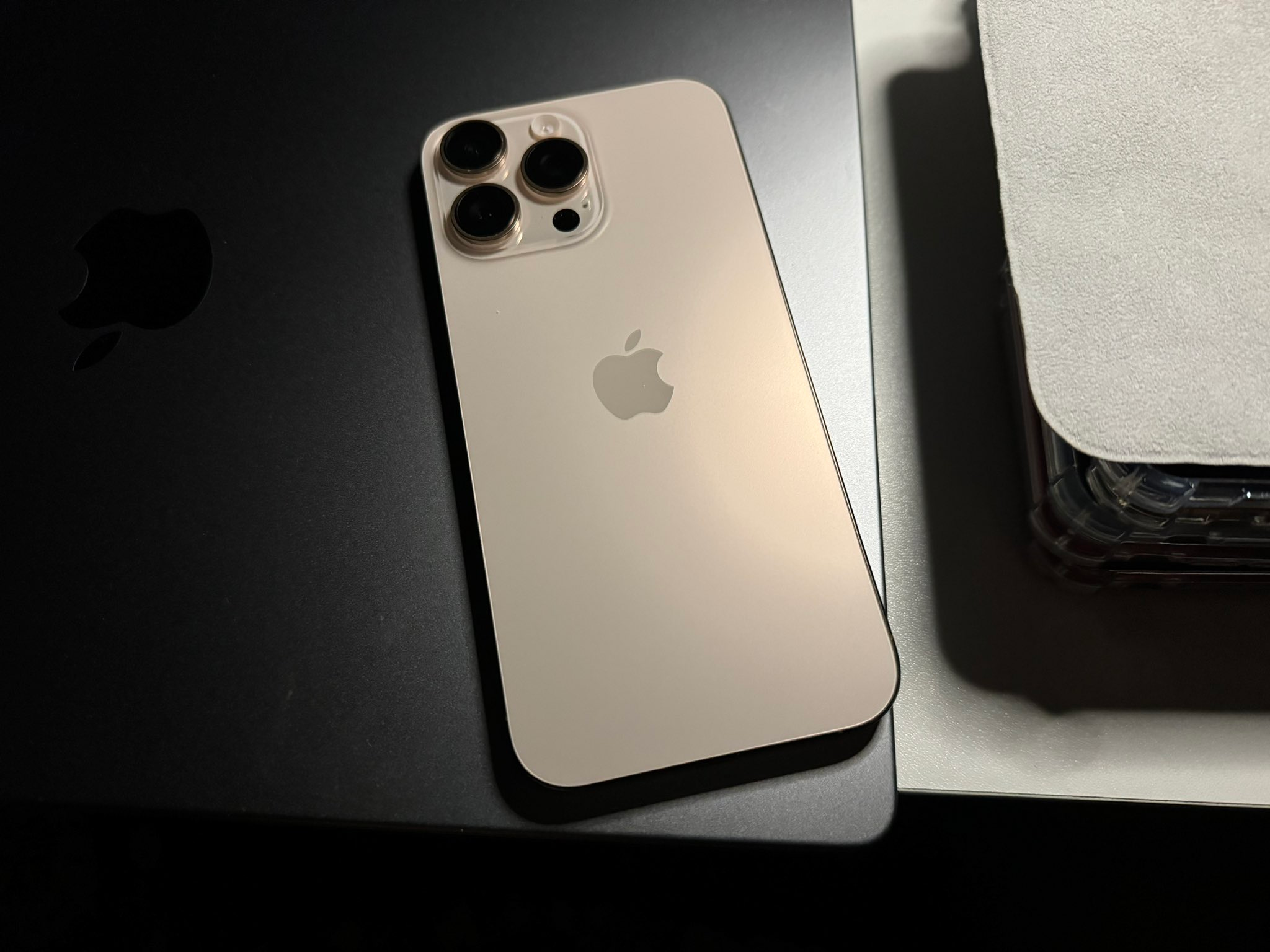
However, the transition to 5G satellite connectivity introduces new considerations. Unlike the current free offering, which Apple has not yet monetized despite its initial two-year promise, the next-generation feature is expected to be carrier-dependent. This suggests regional limitations at launch, with availability tied to partnerships between Apple and telecom providers in specific markets. Whether this will translate into additional costs for users remains unclear.
The technical foundation for such a system implies significant hardware upgrades under the hood. To support continuous satellite communication, the iPhone 18 series may require more advanced power management solutions, potentially leading to shorter battery life or increased heat dissipation during heavy usage. Additionally, the integration of 5G satellite modems could add bulk or complexity to the device’s design, balancing Apple’s preference for slim, premium aesthetics.
For now, the feature remains speculative but is considered plausible based on industry trends and Apple’s history of incremental yet impactful innovations. If realized, it would position the iPhone 18 Pro and Pro Max as pioneers in a new era of global connectivity—one where the boundaries between terrestrial and satellite networks blur entirely.