For PC builders, the choice between DDR5 and DDR4 memory has become a critical decision, especially as supply constraints tighten. Intel is poised to simplify that choice by re-launching its Raptor Lake Refresh processors on the familiar LGA1700 socket, ensuring compatibility with both memory standards. This strategic move could reshape how enthusiasts and system integrators approach memory upgrades, particularly in an era where DDR5 availability remains unpredictable.
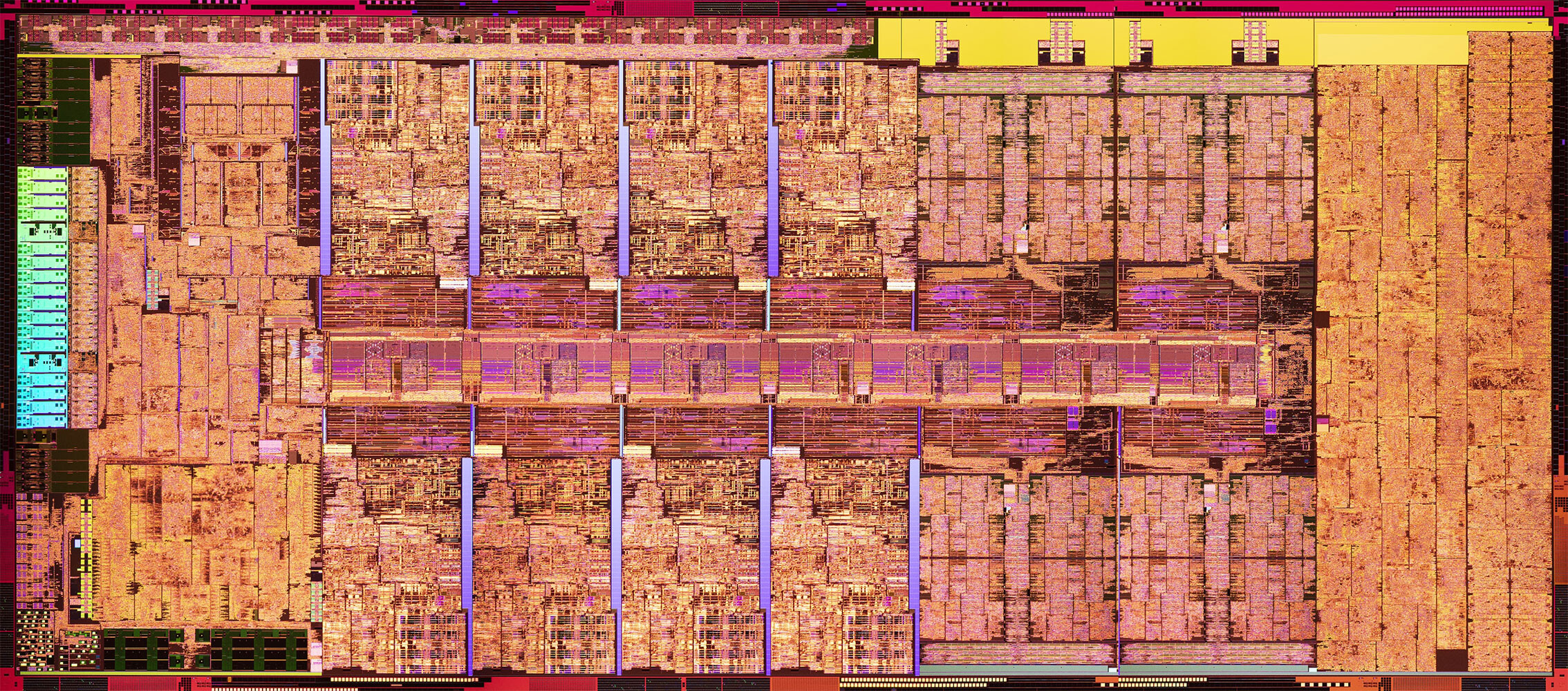
At the heart of this refresh is a processor that pushes the boundaries of what’s possible on the LGA1700 platform. The top-tier model is expected to feature an 8P+16E core configuration—eight high-performance Raptor Cove P-cores, each paired with 2 MB of L2 cache, and four Gracemont E-core clusters, each with 4 MB of L2 cache. All cores share a substantial 36 MB of L3 cache, delivering robust multi-threaded performance for demanding workloads.
Memory flexibility is a standout feature. While DDR5 has become the standard for high-end builds, DDR4 remains a viable option for those prioritizing cost or compatibility with existing systems. Intel’s decision to support both standards on the same chip could extend the lifespan of LGA1700 motherboards, giving users more time to upgrade without being locked into a single memory type.
Key Specifications
- Core Configuration: 8P+16E (Raptor Cove P-cores with 2 MB L2 cache each; Gracemont E-core clusters with 4 MB L2 cache each)
- Cache: 36 MB L3
- Memory Support: DDR5 and DDR4
- PCIe: 16 lanes Gen 5, 4 lanes Gen 4
The inclusion of both DDR4 and DDR5 support is a pragmatic response to current market conditions. For developers and power users, this means greater flexibility in system design, whether they’re building a new machine or retrofitting an existing one. However, the trade-off lies in price—DDR4 memory, while more affordable, may not offer the same bandwidth as DDR5, which could impact performance in memory-intensive applications.
Who Benefits?
Enthusiasts and system builders will see immediate advantages, particularly those working with high-end GPUs like the RTX 5090. The combination of a powerful CPU and flexible memory support allows for more optimized builds, whether prioritizing raw performance or cost efficiency. For everyday users, the impact is less pronounced unless they’re upgrading from an older system where DDR4 remains the only viable option.
Looking ahead, Intel’s move suggests a longer-term strategy to maintain LGA1700 relevance. With no immediate plans for a successor socket, this refresh could set the stage for extended support, provided memory supplies stabilize. For now, users should watch for aggressive pricing on high-end SKUs, mirroring Intel’s success with the Core Ultra 7 270K Plus, which balanced performance and affordability.
What to watch: Pricing and availability timelines, expected later this year, will determine how quickly this refresh becomes a viable option for builders.