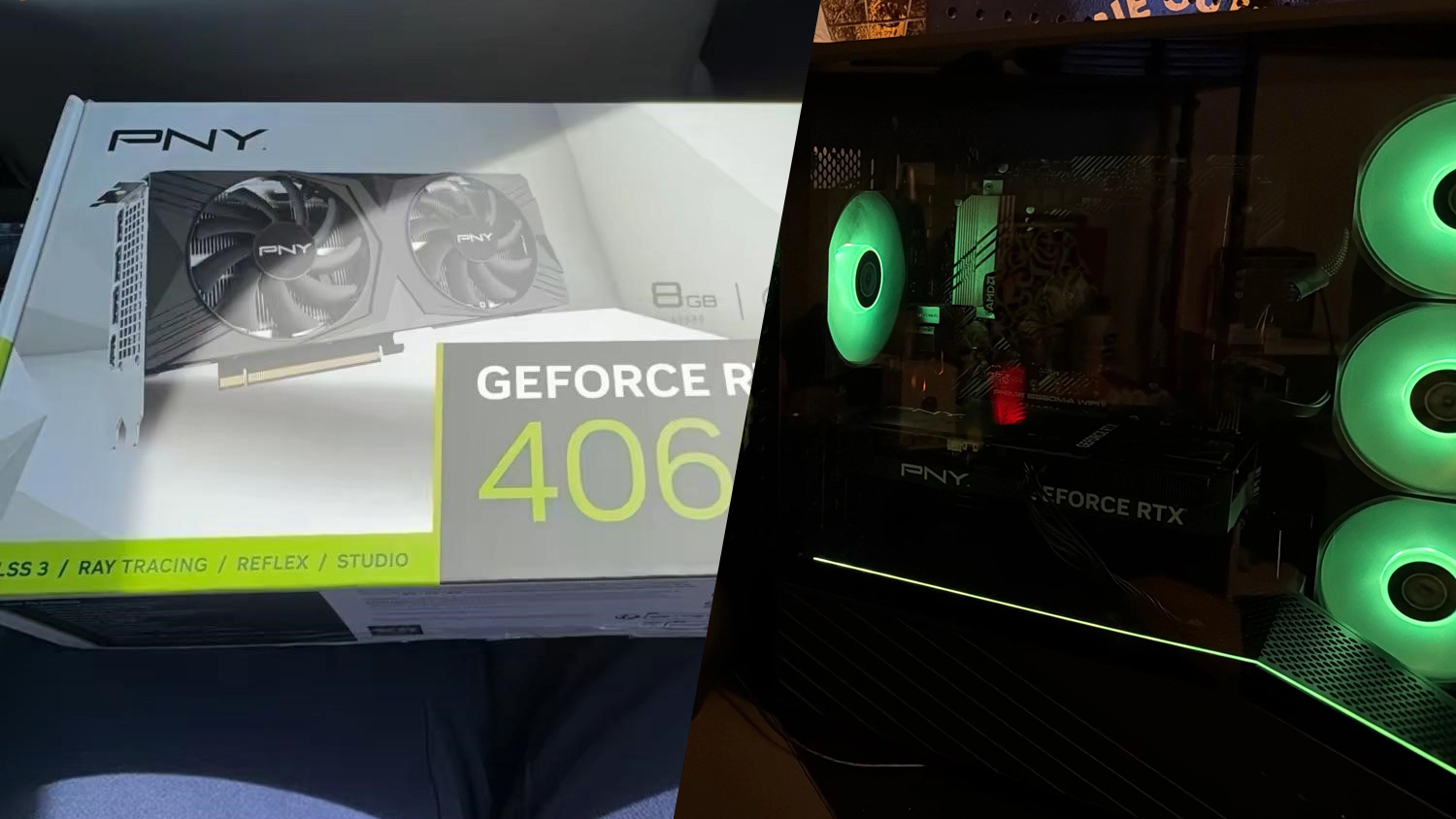
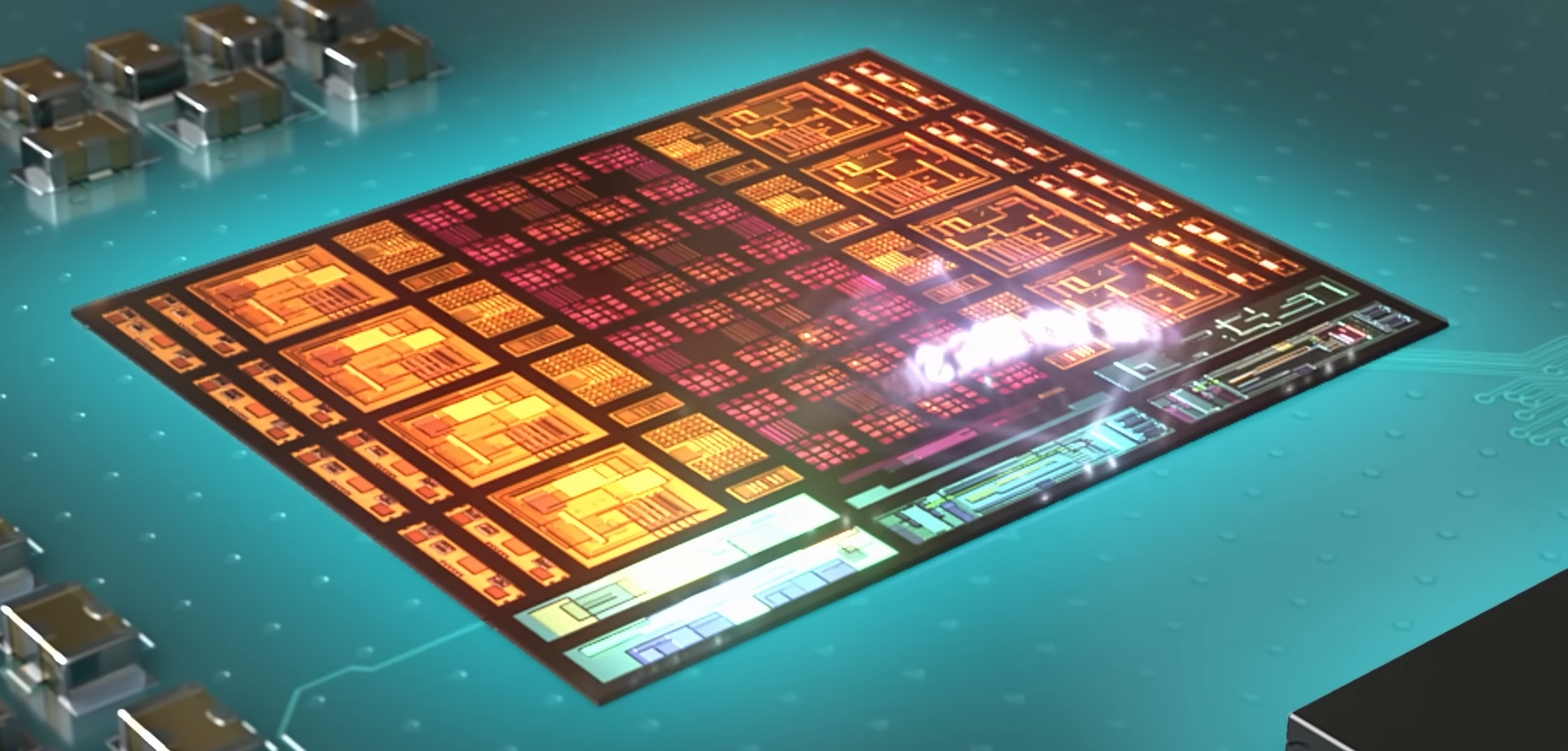
Enthusiasts hoping to pair Intel’s new **Core Ultra 300-series** processors—specifically the **12-core Xe3 iGPU** variants—with an **Nvidia RTX 5080** in a gaming laptop may face disappointment. The reason isn’t performance, but a fundamental architectural constraint: Intel’s **12-lane platform controller tile (PTL)**, used exclusively in these high-end CPUs, simply doesn’t provide enough PCIe bandwidth to accommodate both a high-performance discrete GPU and essential storage or connectivity features.
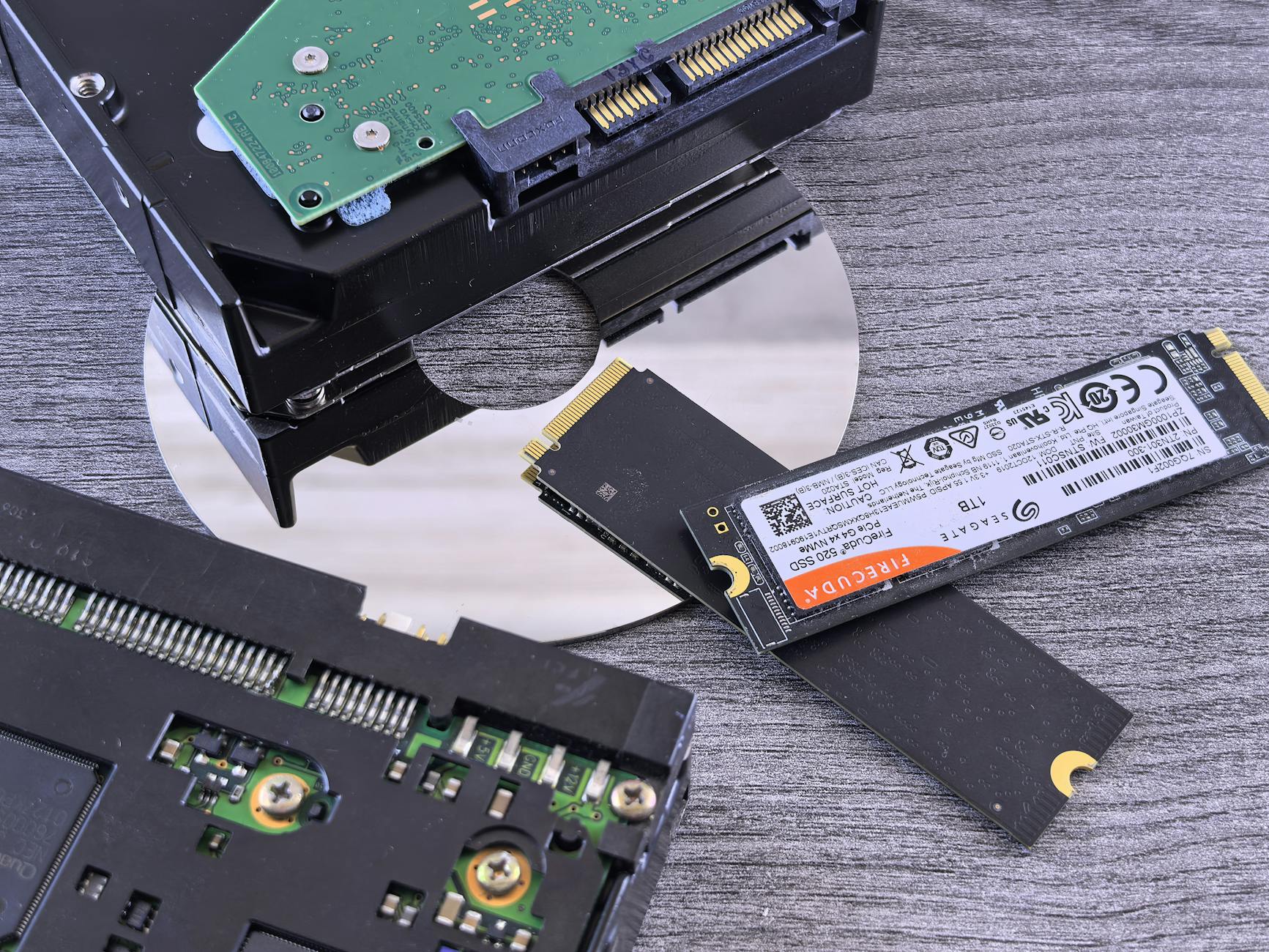
Most modern **NVMe SSDs** require **four PCIe lanes**, while the **RTX 5080** demands at least **eight**. That leaves no lanes remaining for **Thunderbolt 4** ports—each of which also consumes four lanes—or a secondary M.2 slot. Even if a manufacturer attempted to squeeze in a GPU by reducing lanes, it would come at the cost of critical I/O performance.
Why the 20-Lane PTL Isn’t an Option
The issue stems from Intel’s decision to use a **12-lane PTL** (four Gen 5, eight Gen 4) across all **Core Ultra 300-series** chips with the **12-core Xe3 iGPU**. A **20-lane PTL** variant exists—used in lower-tier **4-core Xe3** models—but it’s not available for the high-end SKUs. This forces manufacturers into an impossible trade-off: either prioritize discrete GPU performance and sacrifice storage/connectivity, or opt for a more balanced configuration with a **4-core Xe3** and retain full PCIe flexibility.
AMD’s **Ryzen AI 400-series** and **Ryzen AI 300-series** processors, by contrast, offer **16 PCIe lanes** (8 Gen 4) in their flagship models, such as the **Ryzen AI 9 HX 475**. This allows for a **discrete GPU**, **dual M.2 slots**, and **native USB4/Thunderbolt 4** support without lane conflicts. Intel’s approach leaves its top-tier Panther Lake CPUs at a disadvantage in the high-end gaming laptop market.

The Workaround: A Messy Compromise
Theoretically, a manufacturer could configure the **12-lane PTL** to allocate **four Gen 5 lanes** to a GPU and **two Gen 4 lanes** (as x2 links) to storage and Thunderbolt. However, this would require **non-standard lane groupings**, complicating design and potentially degrading performance. Most OEMs will instead default to the **4-core Xe3** variants, which use the **20-lane PTL** and avoid these constraints entirely.
For gamers, this means the most powerful **Panther Lake CPUs**—like the **Core Ultra X9 388H**—will likely ship in laptops with **integrated graphics only**, or paired with mid-range GPUs like the **RTX 4060**, while high-end configurations rely on **4-core Xe3** chips with full PCIe flexibility.
A Missed Opportunity?
Intel’s decision appears to be a strategic oversight. By limiting the **20-lane PTL** to lower-tier SKUs, the company has created a **gaming laptop bottleneck**. Competitors like AMD can offer **12-core APUs** (e.g., **Ryzen AI 9 HX 475**) with **Radeon 890M iGPUs**—roughly **33% fewer shaders** than Intel’s **12-core Xe3**—while still supporting **discrete GPUs** and **full PCIe connectivity**. The result? A market where Intel’s top-tier CPUs are **architecturally restricted** from delivering the premium experience their specs suggest.
Unless Intel revises its platform strategy—or manufacturers find an unconventional workaround—high-end **Panther Lake gaming laptops** will remain a rare sight, leaving enthusiasts with a frustrating choice between **CPU power** and **GPU performance**.