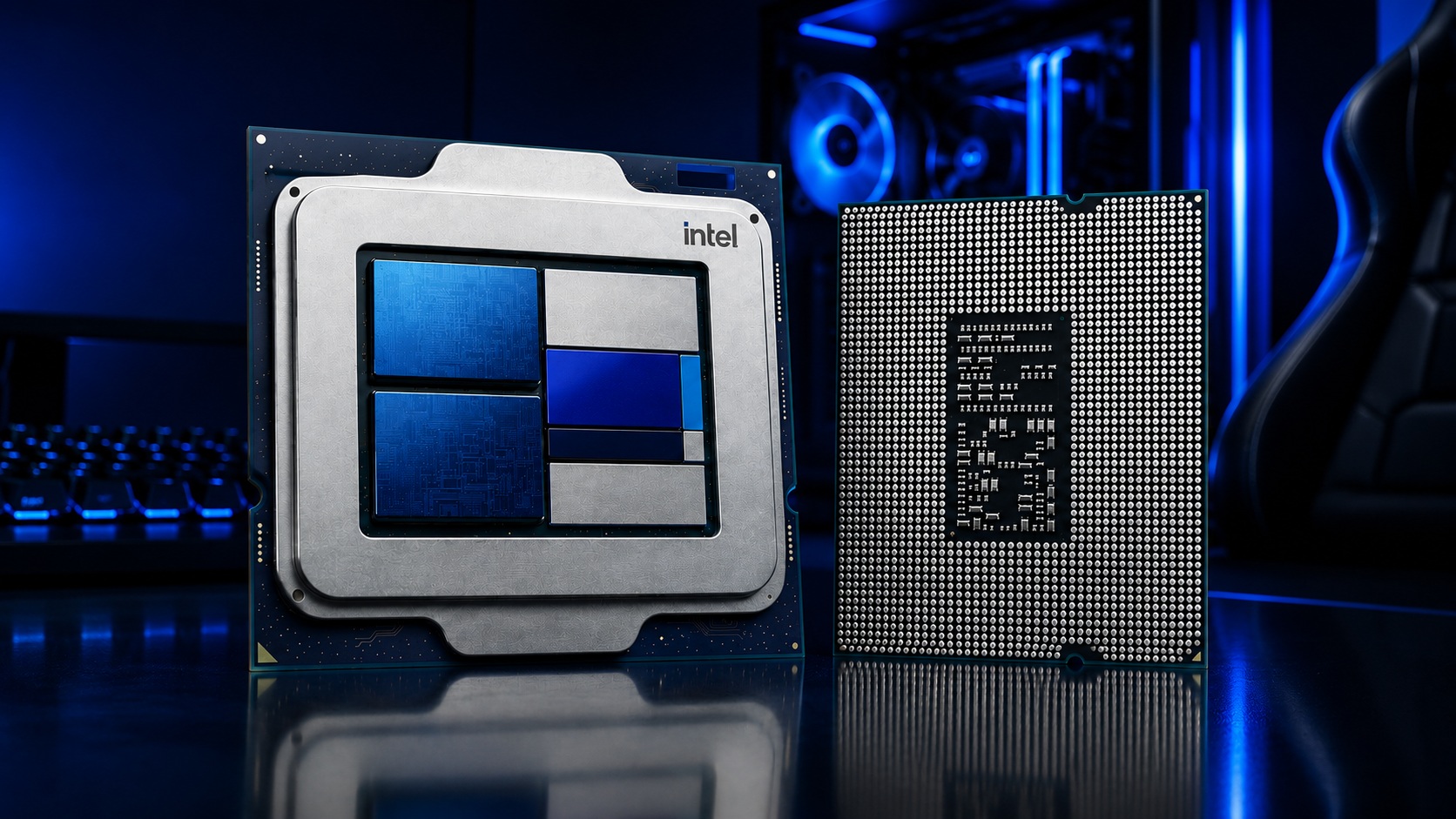
Intel's roadmap is taking an unexpected turn. While the company has been widely focused on high-core-count desktop processors, internal testing now points to a new APU variant designed specifically for integrated graphics performance. Dubbed 'Nova Lake-S,' this processor is set to feature 12 Xe3P graphics cores, a configuration that deviates from its standard lineup but aligns with growing demand for efficient, built-in GPU solutions.
Unlike the more powerful 'Nova Lake-AX' variant—rumored earlier and now seemingly shelved—the new APU will prioritize graphics performance over raw CPU core counts. It is expected to deliver output comparable to Intel's Arc B390 integrated GPU, which has already shown strong results in workloads like 4K rendering. This shift suggests a strategic pivot toward platforms where integrated graphics are the primary focus, rather than just a secondary feature.
The 'Nova Lake-S' APU is part of Intel's broader Core Ultra 400 Series lineup, which will also include standard desktop processors with higher core counts and bLLC configurations. The new variant, however, will take a more balanced approach, offering four 'Coyote Cove' P-cores, eight 'Arctic Wolf' E-cores, and four LPE-cores—paired with the 12 Xe3P graphics cores. This structure mirrors AMD's Ryzen G-Series APUs, which have carved out a niche for small businesses and content creators who need both strong CPU performance and capable integrated graphics.
Key Specifications
- CPU Cores: 4 'Coyote Cove' P-cores, 8 'Arctic Wolf' E-cores, 4 LPE-cores (total: 16 cores)
- Graphics Cores: 12 Xe3P graphics cores
- Memory Support: LPDDR5X (capacity and speeds not yet confirmed)
The 12 Xe3P graphics cores are the standout feature of this APU. While they share some architectural similarities with the Xe3 cores found in other 'Nova Lake' processors, they are optimized for integrated graphics workloads. This includes tasks like 4K video playback and light rendering, where efficiency and power consumption become critical factors. For small businesses, this could mean a cost-effective way to handle basic graphic design or media editing without the need for a dedicated GPU.
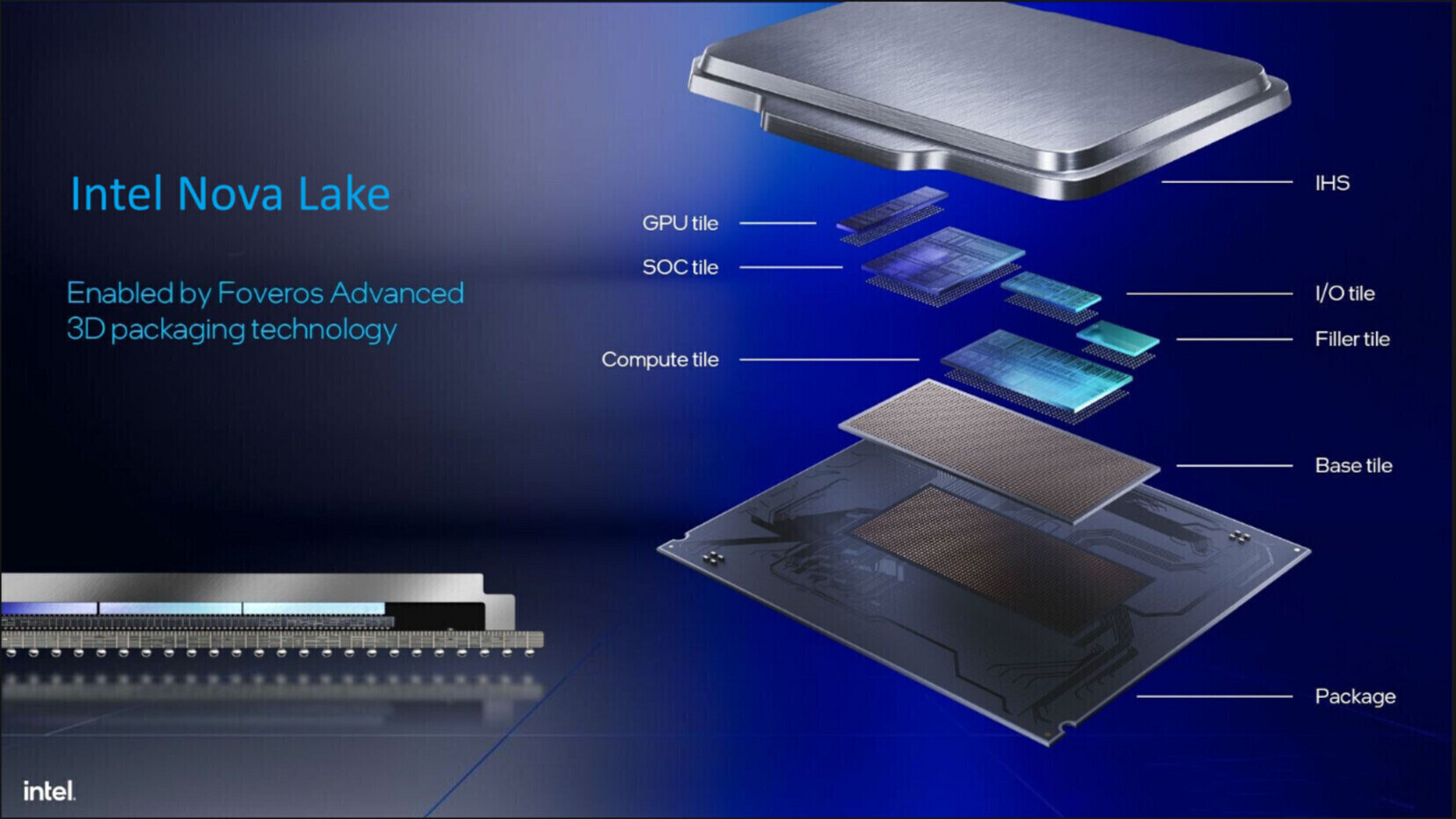
That's the upside—here's the catch. The trade-off is a reduction in overall CPU core count compared to Intel's other 'Nova Lake' variants. While 16 cores (4 P-cores, 8 E-cores, and 4 LPE) are still competitive for many workloads, it falls short of the 28-core configurations seen in earlier rumors. This means the APU is best suited for scenarios where graphics performance is prioritized over raw CPU power.
Real-World Impact
The 'Nova Lake-S' APU could fill a growing gap in the market for small businesses and content creators who need integrated graphics without the overhead of a discrete GPU. It offers a middle ground between Intel's high-core-count desktop processors and lower-end solutions, providing a balance of performance and efficiency. For tasks like 4K video editing or light 3D modeling, this APU could deliver strong results while keeping power consumption in check.
Intel's move also reflects a broader trend in the industry toward integrated graphics solutions that can handle increasingly demanding workloads. As discrete GPUs like the RTX 5090 dominate high-end markets, there's a clear need for powerful yet efficient iGPUs to serve mid-range platforms. The 'Nova Lake-S' APU is poised to be a key player in this space, offering performance that rivals dedicated graphics solutions while maintaining the simplicity and cost-effectiveness of an integrated approach.
For now, the exact launch timeline remains uncertain, but industry sources suggest it will arrive alongside the broader Core Ultra 400 Series lineup later this year. If Intel sticks to its usual cadence, buyers can expect availability by the second half of 2026. This APU won't replace the high-core-count desktop processors, but it could become a staple for businesses and creators who need a balance of CPU and GPU performance without breaking the bank.