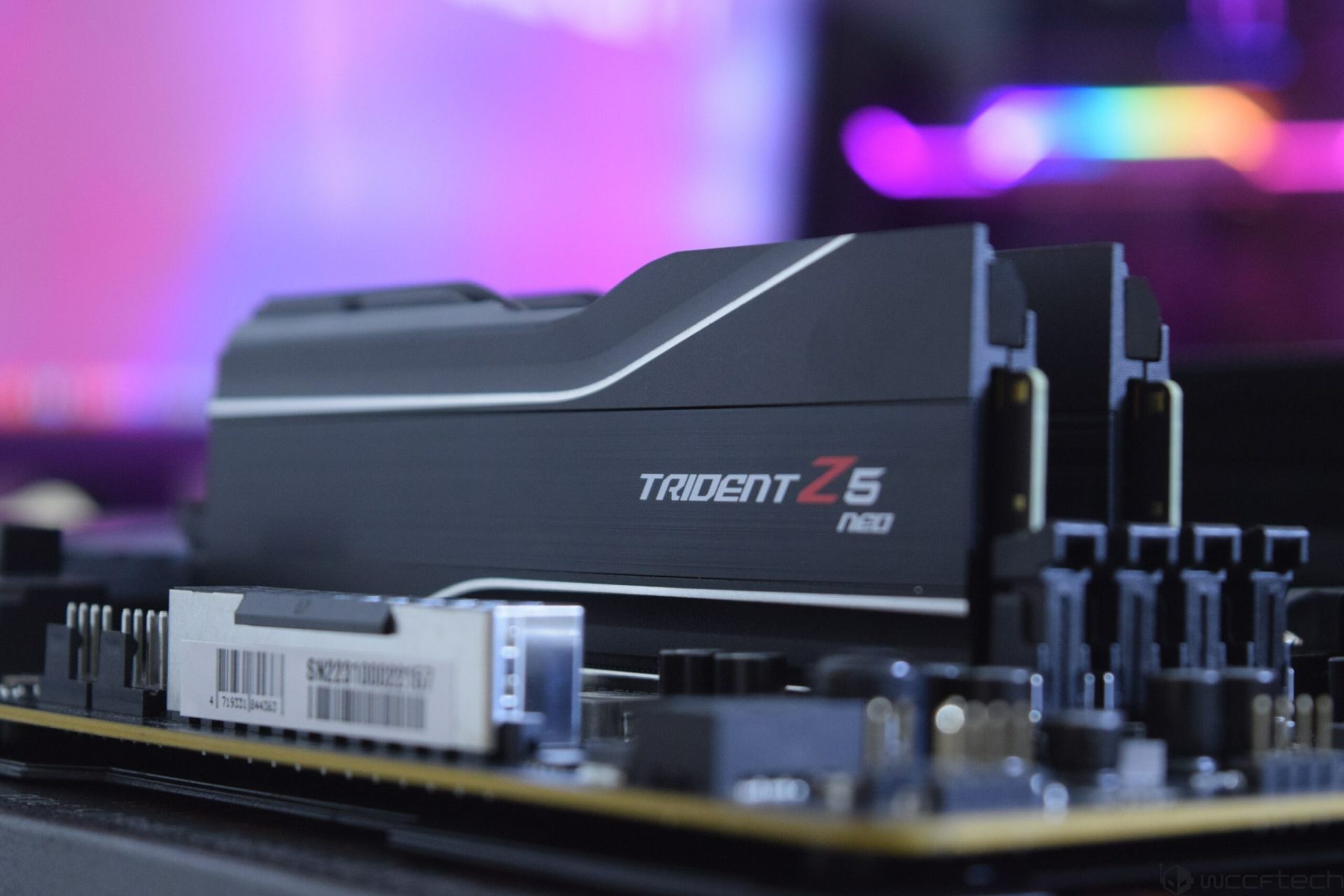
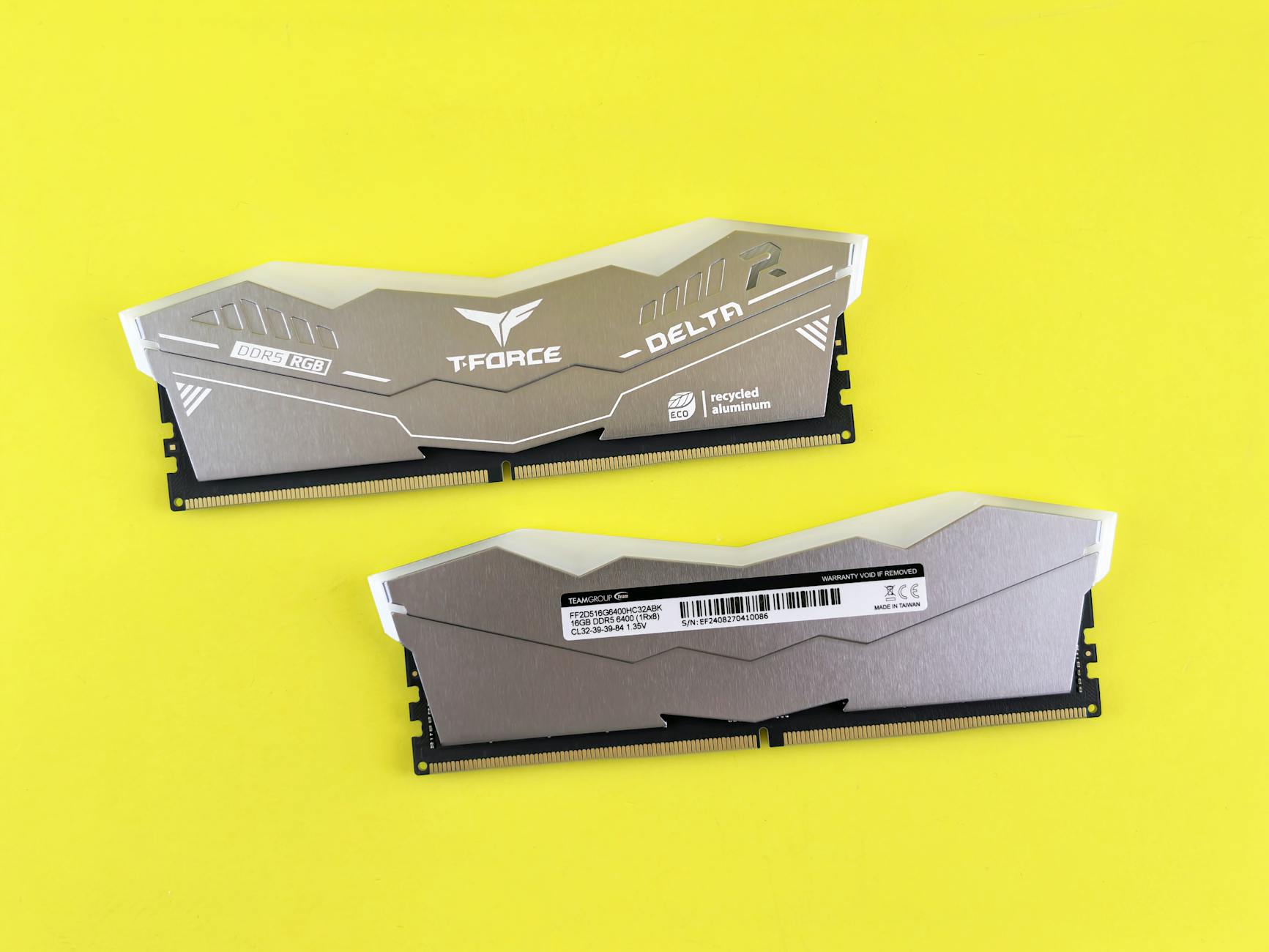
For users chasing peak system performance, G.SKILL has taken a significant step forward with its DDR5 memory lineup. The company’s existing and upcoming DDR5 kits are now certified for Intel XMP 3.0, aligning them with the latest Core Ultra 200S Plus processors and compatible Z890 motherboards. This certification allows users to unlock higher memory speeds simply by enabling an overclock profile in their BIOS—no manual tweaking required.
This move is part of a broader trend where memory manufacturers are adapting to new CPU architectures that demand faster, more efficient RAM. The Core Ultra 200S Plus series, codenamed Arrow Lake, represents Intel’s latest push into high-performance computing, with a focus on balancing power efficiency and raw speed. G.SKILL’s support for XMP 3.0 ensures that users can achieve stable overclocks up to DDR5-8000 without compromising reliability.
Why This Matters
The real advantage here is simplicity. Enthusiasts and power users who previously had to manually adjust timings, voltages, and frequencies to squeeze extra performance out of their systems can now rely on pre-validated profiles. Intel’s XMP 3.0 certification guarantees that these kits will work as advertised, reducing the risk of instability or hardware damage during overclocking.

G.SKILL is also highlighting its DDR5 kits with the new Intel 200S Boost badge, which indicates memory optimized for the latest platform. These kits are rated for up to 1.4V, a lower voltage threshold that helps maintain system stability while pushing speeds higher. Early testing has already shown impressive results, with some configurations achieving DDR5-10000 in validated benchmarks—though real-world performance will depend on individual hardware combinations.
Who Benefits?
This certification is a win for users building high-end desktop systems, particularly those targeting extreme overclocking or competitive gaming. However, everyday consumers may see limited immediate benefit unless they’re upgrading from older platforms where DDR5 adoption was less straightforward. For most mainstream users, the difference between DDR5-6000 and DDR5-8000 may not translate to noticeable real-world improvements, but enthusiasts will appreciate the headroom for future-proofing.
G.SKILL’s move also reflects Intel’s broader strategy with Arrow Lake, which is designed to support higher memory bandwidth while maintaining power efficiency. Whether this translates into tangible performance gains in everyday tasks remains to be seen, but for those willing to invest in top-tier hardware, the combination of XMP 3.0 support and Arrow Lake processors could redefine what’s possible in desktop computing.