In the ever-evolving landscape of graphics processing units (GPUs), Gigabyte's recent filing for a new series of RTX 50 AORUS Infinity cards has sparked interest among developers and tech enthusiasts. This move suggests a significant expansion into the high-end market, potentially offering a range of models that could redefine performance benchmarks.
The RTX 50 series is poised to build on the success of its predecessors, with the new AORUS Infinity lineup expected to push the boundaries of what's possible in GPU technology. The filing hints at models ranging from the RTX 5060 to even more powerful configurations, indicating a broad appeal for both developers and gamers looking for top-tier performance.
Key Details
The new RTX 50 AORUS Infinity cards are expected to feature advanced cooling solutions, high memory bandwidth, and cutting-edge architecture. These cards are likely to be designed with both performance and aesthetics in mind, catering to users who demand the best in both categories.
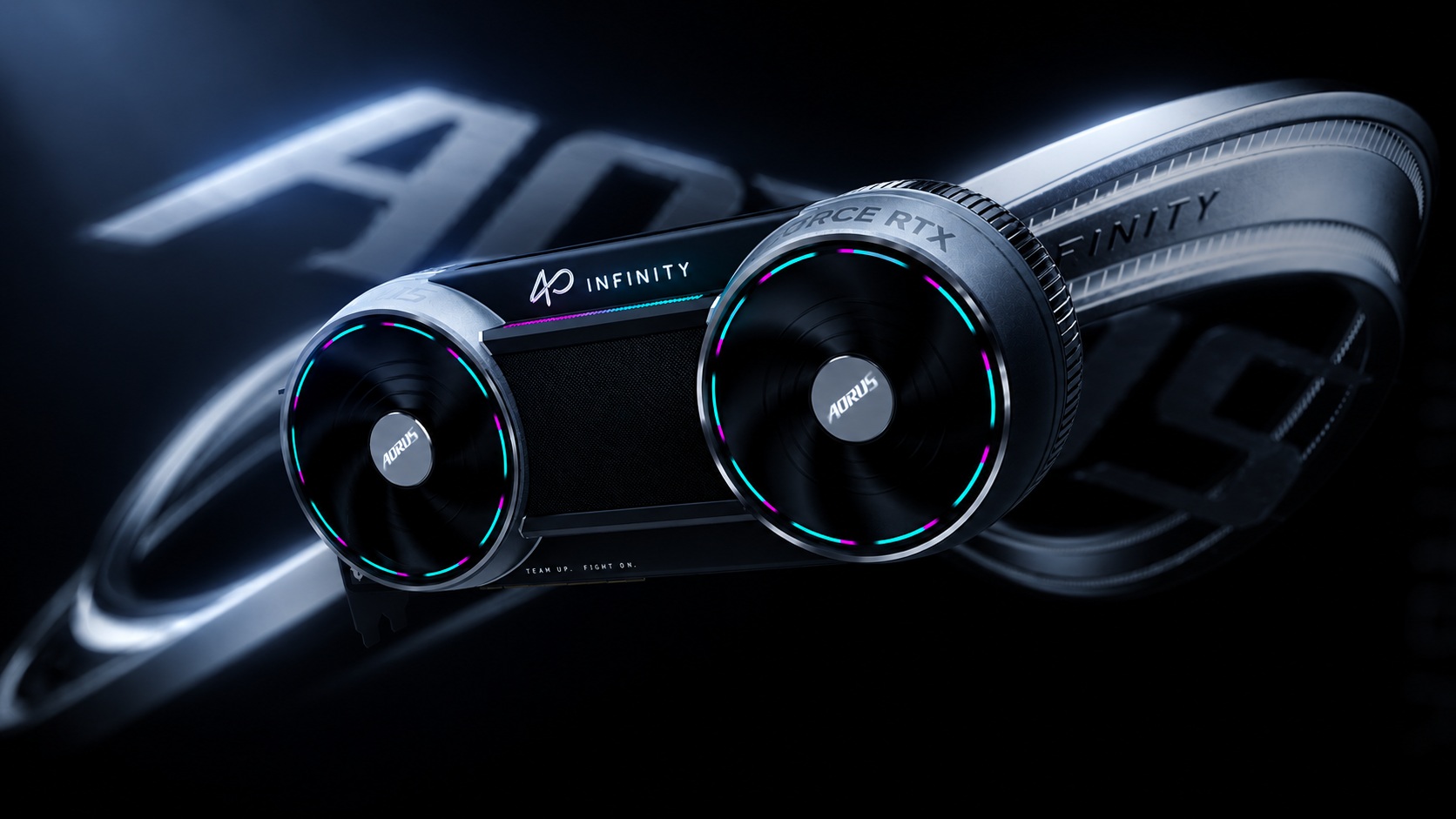
- Display: Up to 4K resolution support, DLSS 3.0, NVIDIA Reflex, and advanced ray tracing capabilities.
- Chip: New RTX 50 architecture with improved efficiency and performance.
- Memory: Up to 24GB GDDR6X memory, offering high bandwidth for demanding applications.
- Storage: Not applicable as these are graphics cards, but they may feature advanced VRAM configurations.
- Power: Expected to require a significant power supply, likely in the range of 300W to 450W depending on the model.
- Cameras: Not applicable as these are graphics cards.
- Connectivity: Multiple display outputs including HDMI 2.1 and DisplayPort 2.1, ensuring compatibility with the latest monitors and displays.
- Ports: Standard PCIe 5.0 interface for high-speed data transfer.
- Pricing: Expected to be competitive within the high-end market segment, though exact prices have not been confirmed.
The new RTX 50 AORUS Infinity cards are likely to target developers and enthusiasts who require top-tier performance for tasks such as game development, rendering, and AI workloads. The advanced cooling solutions and high memory bandwidth will make these cards suitable for both single-card and multi-GPU setups, catering to a wide range of use cases.
However, the exact specifications and pricing remain unclear, leaving potential buyers to speculate on where these cards will fit in the market. Developers should keep an eye out for official announcements to make informed decisions about upgrades or new builds.
The introduction of the RTX 50 AORUS Infinity lineup could mark a significant shift in the high-end GPU market, offering users a glimpse into the future of graphics processing technology. As always, staying informed and vigilant about the latest developments will be key for those looking to invest in this emerging segment.