Gaming laptops often face a familiar dilemma: squeezing high-end performance into a compact chassis while keeping the price from spiraling out of reach for most buyers. Lenovo’s latest 17-inch model attempts to solve that equation with an NVIDIA RTX 5050 GPU, positioning itself as a mid-tier option in a crowded market.
On paper, this configuration looks promising. The RTX 5050 is designed to deliver solid performance in modern games at 1080p resolution, often running titles like Cyberpunk 2077 or Call of Duty: Modern Warfare II at medium settings with frame rates between 40 and 60 FPS. That’s not groundbreaking by today’s standards, but it’s enough for smooth gameplay on a laptop that doesn’t demand a second mortgage to buy.
A tradeoff worth examining
The real question isn’t whether the RTX 5050 can handle current games—it’s what you sacrifice to get there. Portability is one casualty: at around 4.8 lbs, this laptop leans toward the heavier side for its size, a common trait in machines packed with discrete GPUs. Battery life also takes a hit, with real-world usage likely hovering between 3 and 5 hours on medium brightness, depending on workload.
Key specs
- Display: 17-inch IPS, 1920 x 1080 resolution, 60 Hz, 45% NTSC color gamut (no high-refresh option)
- Chipset: Intel Core i5-1345U (10-core, up to 4.4 GHz, 12 MB cache), integrated graphics
- Memory: 8 GB DDR5, soldered (single-channel)
- Storage: 512 GB NVMe SSD (PCIe 4.0)
- GPU: NVIDIA RTX 5050 (4 GB GDDR6), 8th-gen Tensor cores, DLSS 3 support
- Power: 65 W TDP (system), 120 W max draw under load
- Ports: 1x USB-C (Thunderbolt 4, DisplayPort 1.4), 2x USB-A 3.2 Gen 1, 1x HDMI 2.1, 1x 3.5 mm jack, 1x combination headphone/microphone
- Connectivity: Wi-Fi 6E, Bluetooth 5.2, 2x speakers (2 W each), webcam (720p)
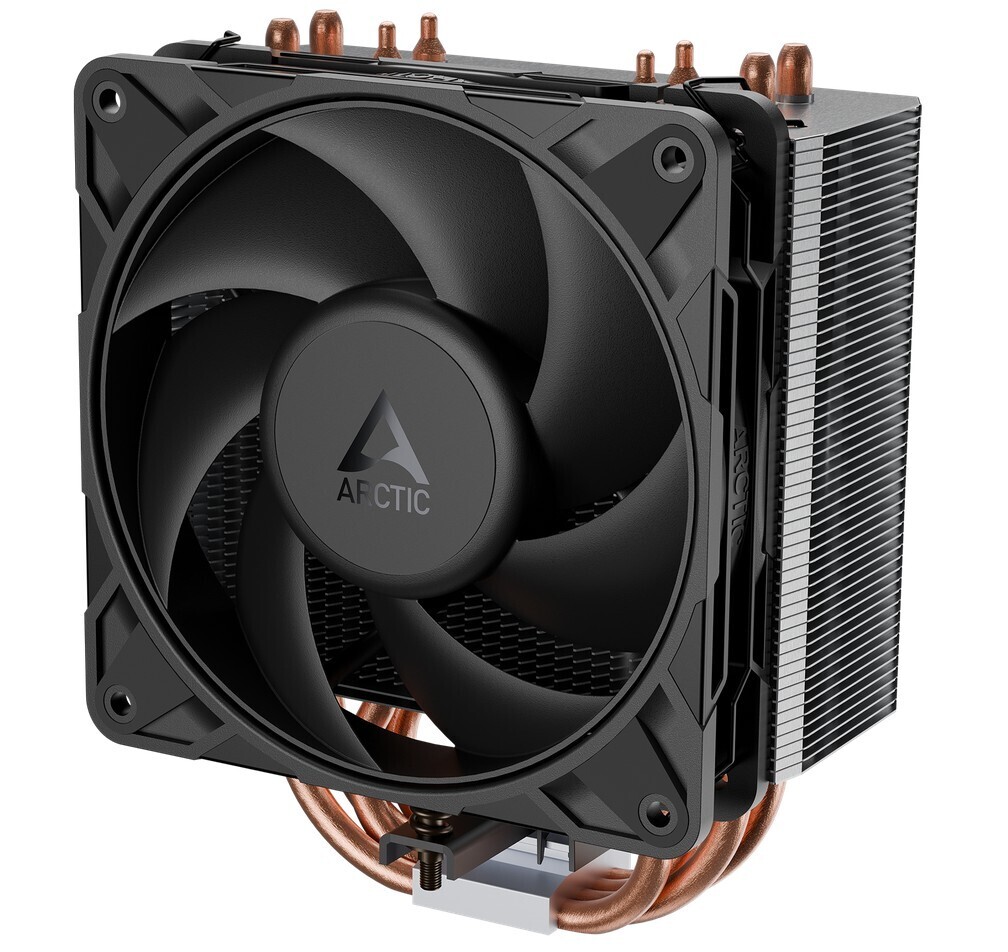
- Cooling: Dual-fan vapor chamber with Lenovo Vapour Chamber technology
- Battery: 4-cell, 63 Wh (estimated)
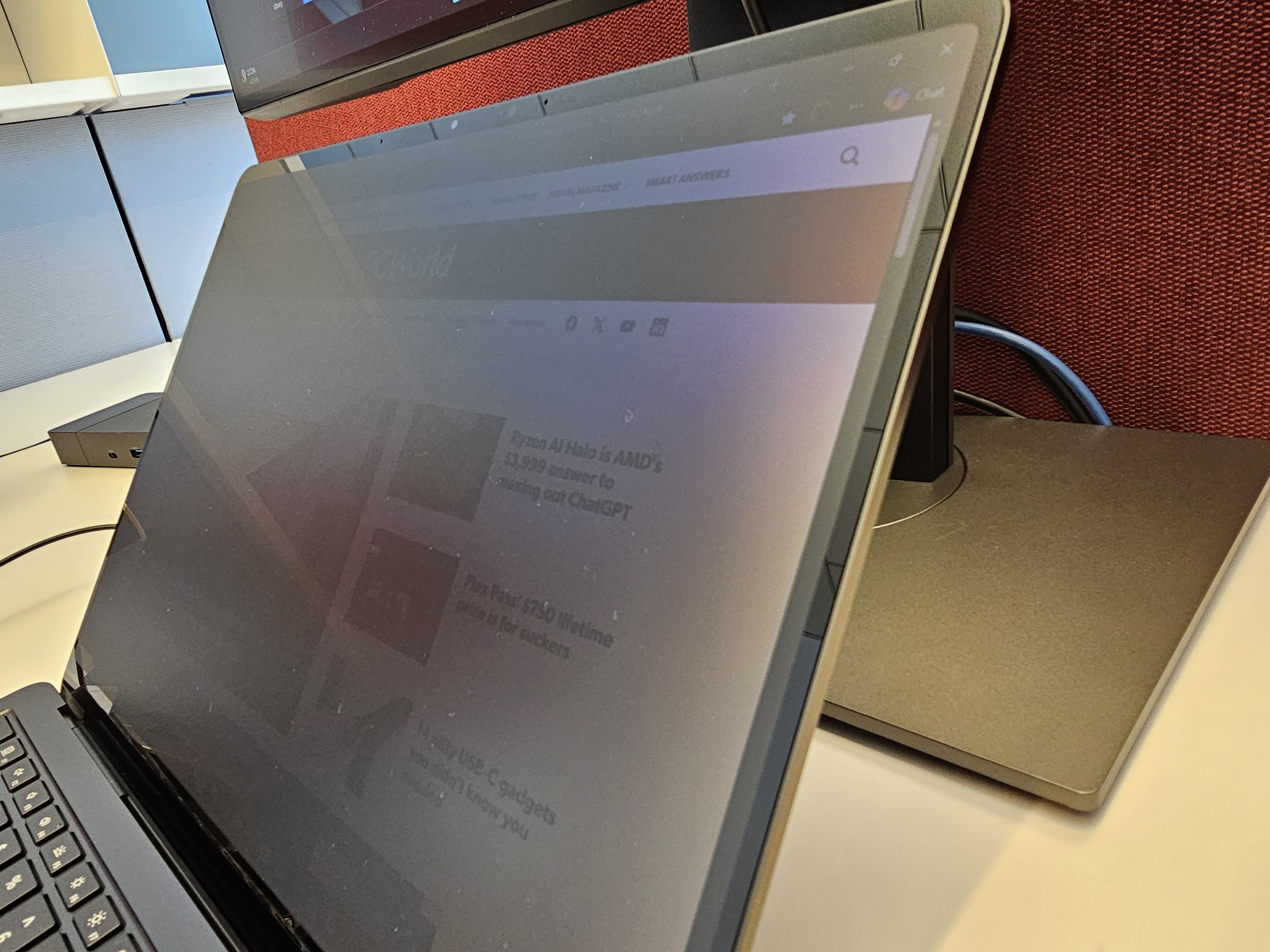
The display is a mixed bag. A 1080p IPS panel with 45% NTSC coverage means colors won’t be vibrant enough for content creation or HDR gaming, and the absence of a high-refresh rate option limits competitive eSports use. For casual gamers or those who prioritize portability over visual fidelity, it’s adequate.
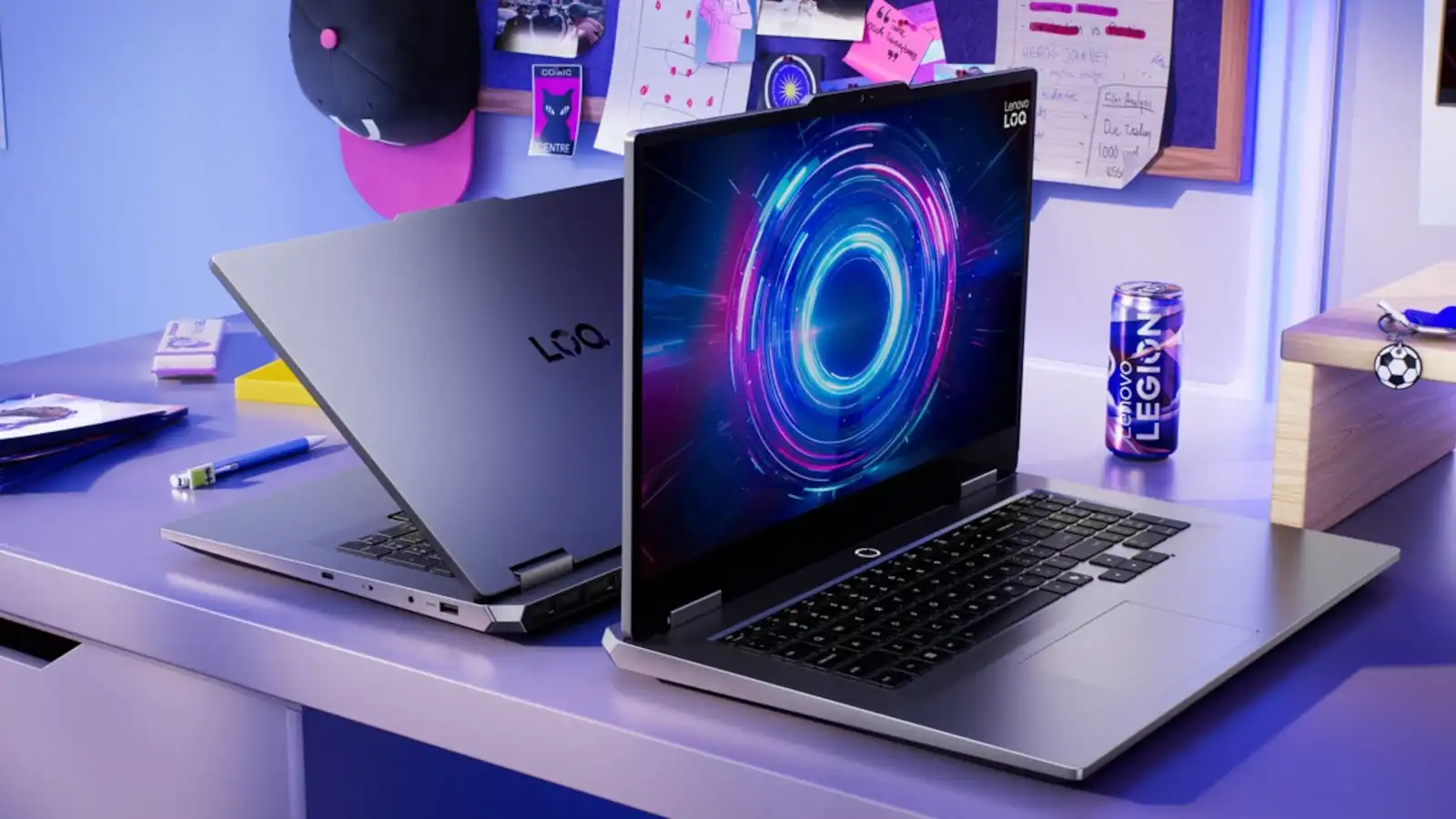
Where this laptop shines is in raw hardware efficiency. The RTX 5050 is paired with an Intel Core i5-1345U, a chip that balances power and heat output well for its class. The 8 GB of DDR5 memory is soldered, which simplifies upgrades but leaves no room for expansion—a common tradeoff in budget-conscious designs. Storage comes as a 512 GB NVMe SSD, enough for the operating system, games, and daily files without immediate concerns.
Who it’s built for
This model isn’t for enthusiasts chasing maximum FPS or ray-traced visuals at 4K. It’s aimed at users who want a portable machine that can handle modern titles without breaking the bank, especially those who don’t need ultra-fast response times or color accuracy. The lack of RGB lighting and a more premium build material (like magnesium alloy) also signals this is squarely in the mid-tier segment.
For PC builders considering upgrades, timing will be key. The RTX 5050’s performance is already being overshadowed by newer GPUs, but its price point remains competitive for entry-level gaming laptops. If you’re looking to future-proof your setup, waiting for the next generation of mobile GPUs might make sense—but if budget and immediate usability are priorities, this laptop offers a straightforward path.
As for supply chains, the balance between cost and capability remains a challenge. NVIDIA’s focus on efficiency in its 50-series chips helps, but the tradeoff with portability and battery life persists. For now, Lenovo has struck what appears to be a reasonable middle ground: good enough performance at a price that doesn’t alienate mainstream buyers.