An enterprise buyer evaluating GPU upgrades for a high-end workstation suddenly finds their favorite simulation software gaining DLSS support—a scenario that highlights the quiet yet transformative power of NVIDIA's latest graphics technology.
DLSS 4.5, announced alongside a batch of new game releases, marks another evolutionary step in NVIDIA's approach to rendering efficiency. Unlike previous iterations, this version introduces refined frame generation and temporal upscaling, targeting both performance and visual fidelity. For enterprise applications where GPU workloads are increasingly complex, the question is no longer whether DLSS will arrive, but when it will become a standard tool for productivity tasks.
The update arrives with support for three notable titles: 'World of Tanks: HEAT,' a modern take on armored combat; '007 First Light,' a first-person shooter steeped in espionage lore; and 'Starminer,' an action-adventure game blending space exploration with resource gathering. Each title leverages DLSS 4.5 to deliver smoother frame rates without sacrificing visual quality, a balance that enterprise buyers will scrutinize when weighing GPU upgrades for both gaming and professional workloads.
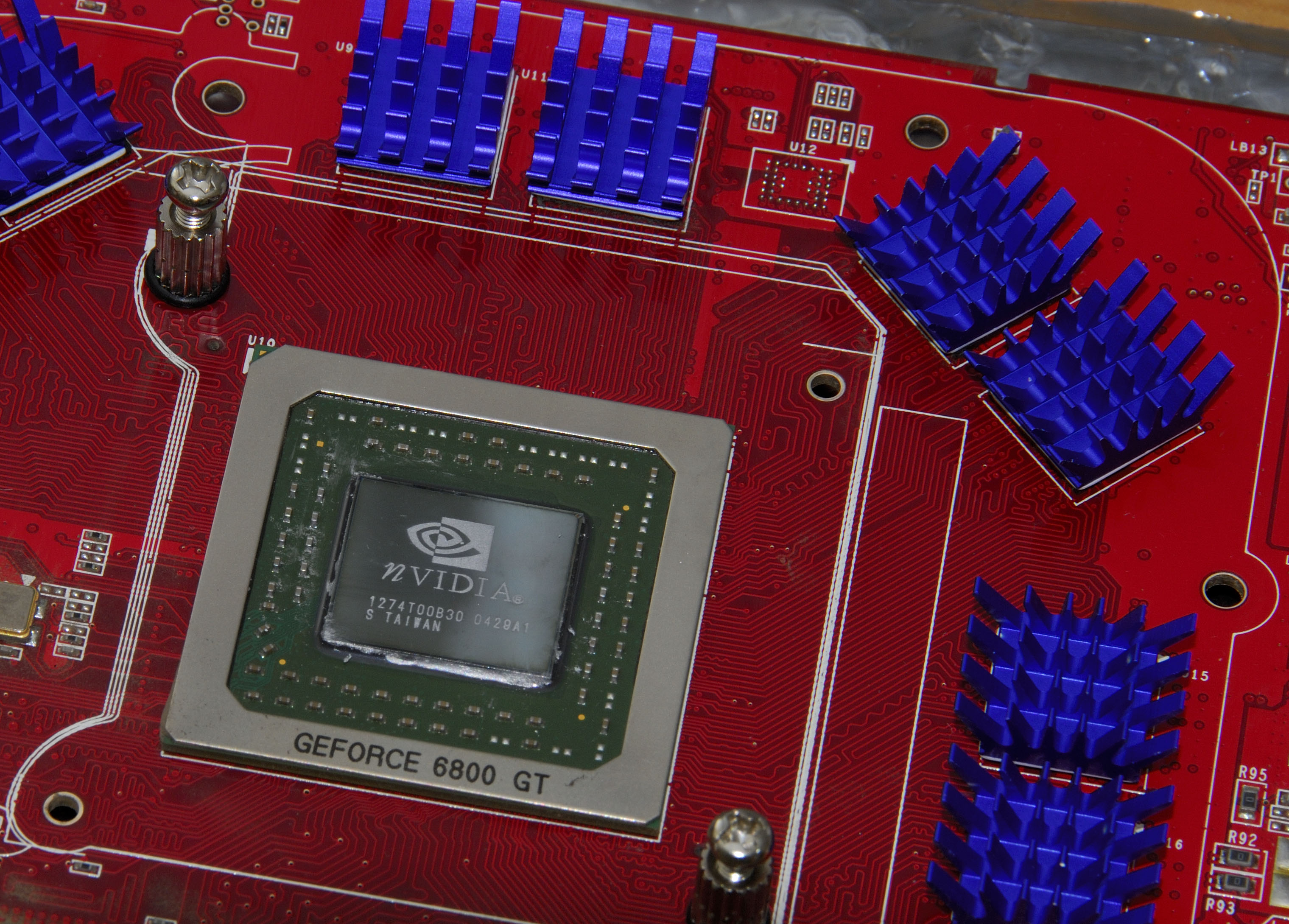
At its core, DLSS 4.5 builds on the foundation laid by earlier versions but refines the algorithm to reduce ghosting artifacts and improve temporal coherence. Frame generation, now more aggressive than in DLSS 3, allows games to render frames at a lower resolution while intelligently reconstructing them in real time—a technique that could eventually trickle down into productivity software where frame rates matter as much as precision.
However, the technology is not without limitations. While NVIDIA has demonstrated impressive performance gains—often doubling or tripling frame rates in supported titles—the long-term stability of these features in professional environments remains untested. Enterprise buyers will need to monitor how DLSS 4.5 integrates with existing workflows, particularly in applications where deterministic behavior is critical.
The broader implications for GPU upgrades are clear: NVIDIA is pushing the boundaries of what a graphics card can achieve, but adoption hinges on whether developers and enterprises can trust these features for mission-critical tasks. For now, DLSS 4.5 is a step forward, but its full potential will only be realized if it evolves beyond gaming into the domain of professional workloads.
What is confirmed: DLSS 4.5 introduces refined frame generation and temporal upscaling, with visible improvements in artifact reduction. What remains unknown: The long-term stability and enterprise viability of these features outside controlled gaming scenarios.