A possible performance bottleneck tied to the printed circuit board (PCB) in the upcoming iPhone Ultra could undermine its computational potential, according to insider reports. While this may not be the headline feature, it suggests a focus on efficiency over raw speed—something that matters more than ever for AI-driven workloads.
At the same time, a persistent rumor about a rattling hinge has been shot down as improbable. The device’s design appears to prioritize stability and durability, which aligns with Apple’s history of refining its hardware over generations. This shift in focus—from structural concerns to internal efficiency—hints at how the company is balancing performance with real-world usability.
Key specs for the iPhone Ultra (as reported) include
- Display: 6.7-inch Super Retina XDR OLED, 120Hz ProMotion
- Chipset: A-series SoC with custom CPU/GPU cores (estimated clock speeds: up to 3.5GHz for CPU, up to 2.4GHz for GPU)
- Memory: 8GB LPDDR5X (16GB variant rumored but not confirmed)
- Storage: 256GB–1TB options (no microSD slot)
- Cameras: Triple 48MP main, ultra-wide, and telephoto (3x optical zoom); LiDAR scanner
- Connectivity: 5G (sub-6GHz and mmWave), Wi-Fi 6E, Bluetooth 5.3
- Battery: ~4,800mAh (estimated)
The bottleneck in question appears to be related to thermal throttling under sustained AI workloads, which could limit sustained performance compared to competitors. This is not unusual for high-performance mobile chips, but it suggests Apple may be prioritizing efficiency over peak benchmarks—a tradeoff that could appeal to developers and enterprise users who need reliable, long-term performance rather than short bursts of speed.
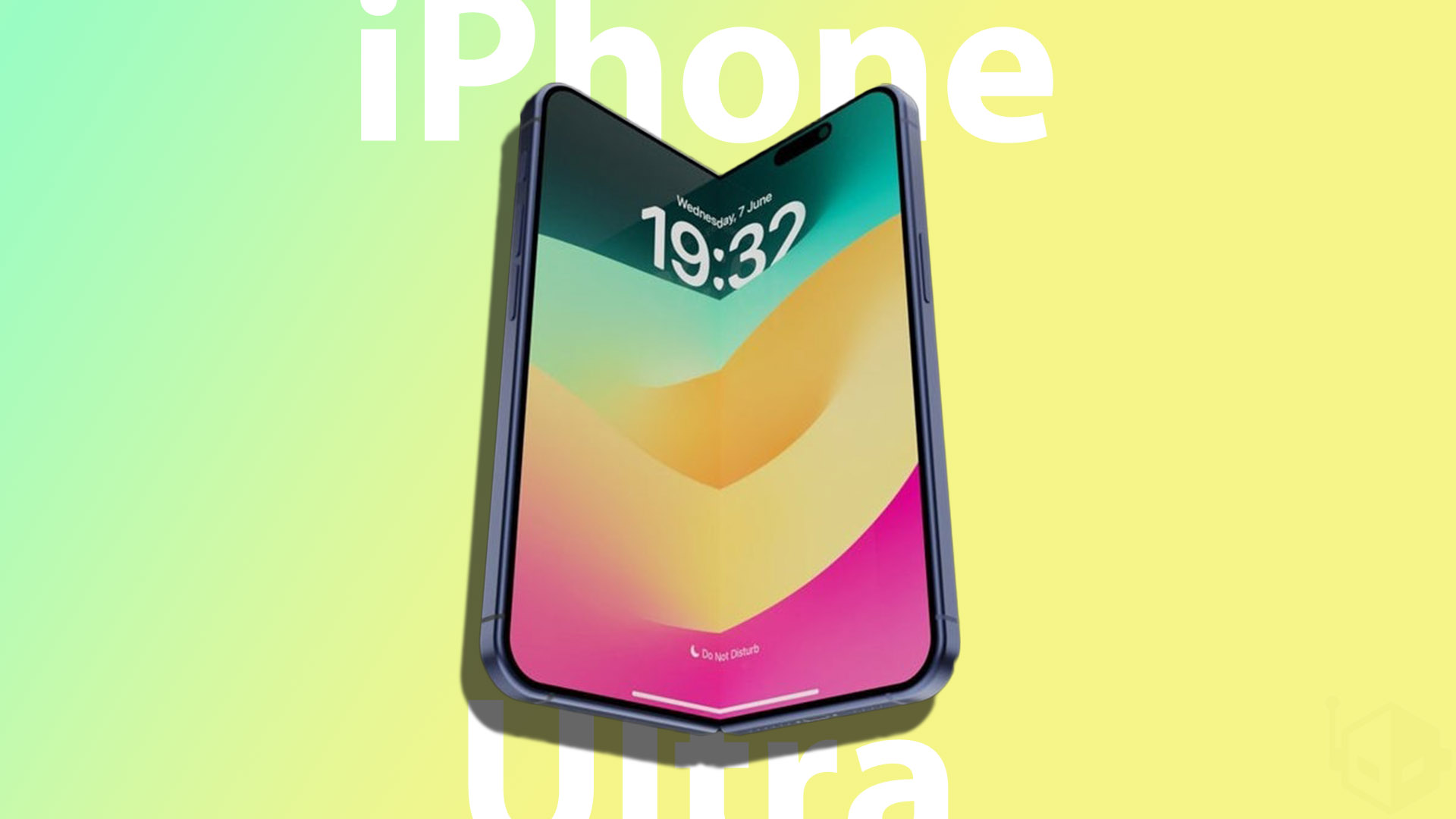
As for the hinge rumor, insiders have dismissed it as a misinterpretation of internal components. The iPhone Ultra is expected to retain Apple’s signature edge-to-edge glass design with a reinforced metal frame, which has been proven durable in previous models. This focus on stability—both mechanical and computational—reflects broader trends in mobile hardware, where efficiency and thermal management are becoming just as critical as raw performance.
Pricing for the iPhone Ultra is not yet confirmed, but industry estimates suggest a premium tier, likely starting around $1,299. Availability remains uncertain, with no official announcement yet, but leaks indicate a potential release in late 2024 or early 2025. For buyers, this means a device that may excel in data-center-like workloads but could face tradeoffs in sustained high-performance tasks—something to consider if efficiency is the priority over raw speed.