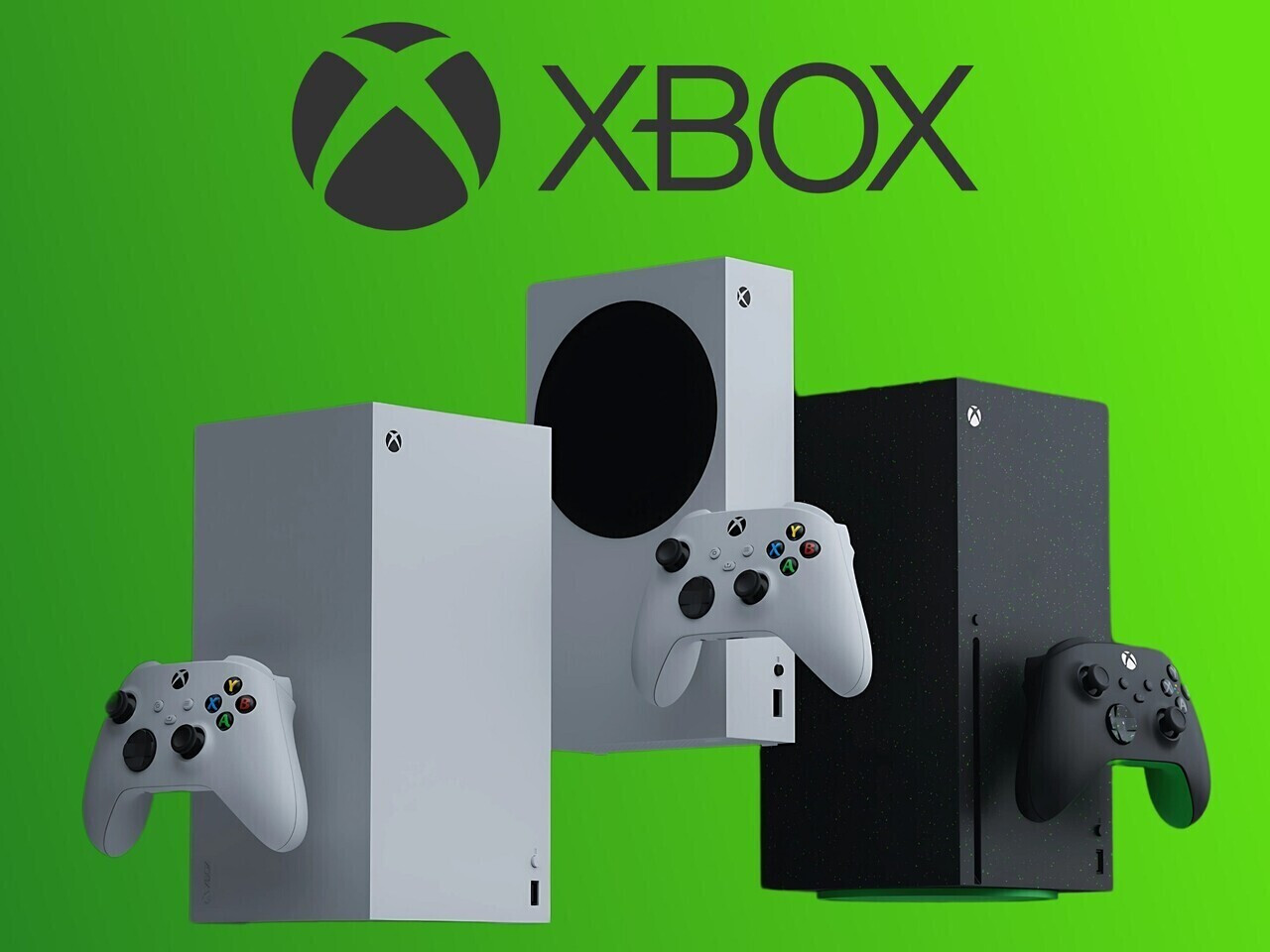
Xbox’s approach to Game Pass is undergoing scrutiny as industry analysts question whether the service can sustain its current structure. While Microsoft has long positioned Game Pass as a premium gaming experience with access to over 400 titles—including first-party releases from Xbox Game Studios—economic pressures are reshaping expectations.
Many gamers assume that Game Pass will continue growing its library without significant price changes, mirroring the model of other subscription services. However, rising development costs and competitive market dynamics suggest a more cautious path ahead. The service’s current pricing tiers—$9.99 per month for console users and $14.99 for PC with cloud gaming—may not align with long-term financial sustainability.
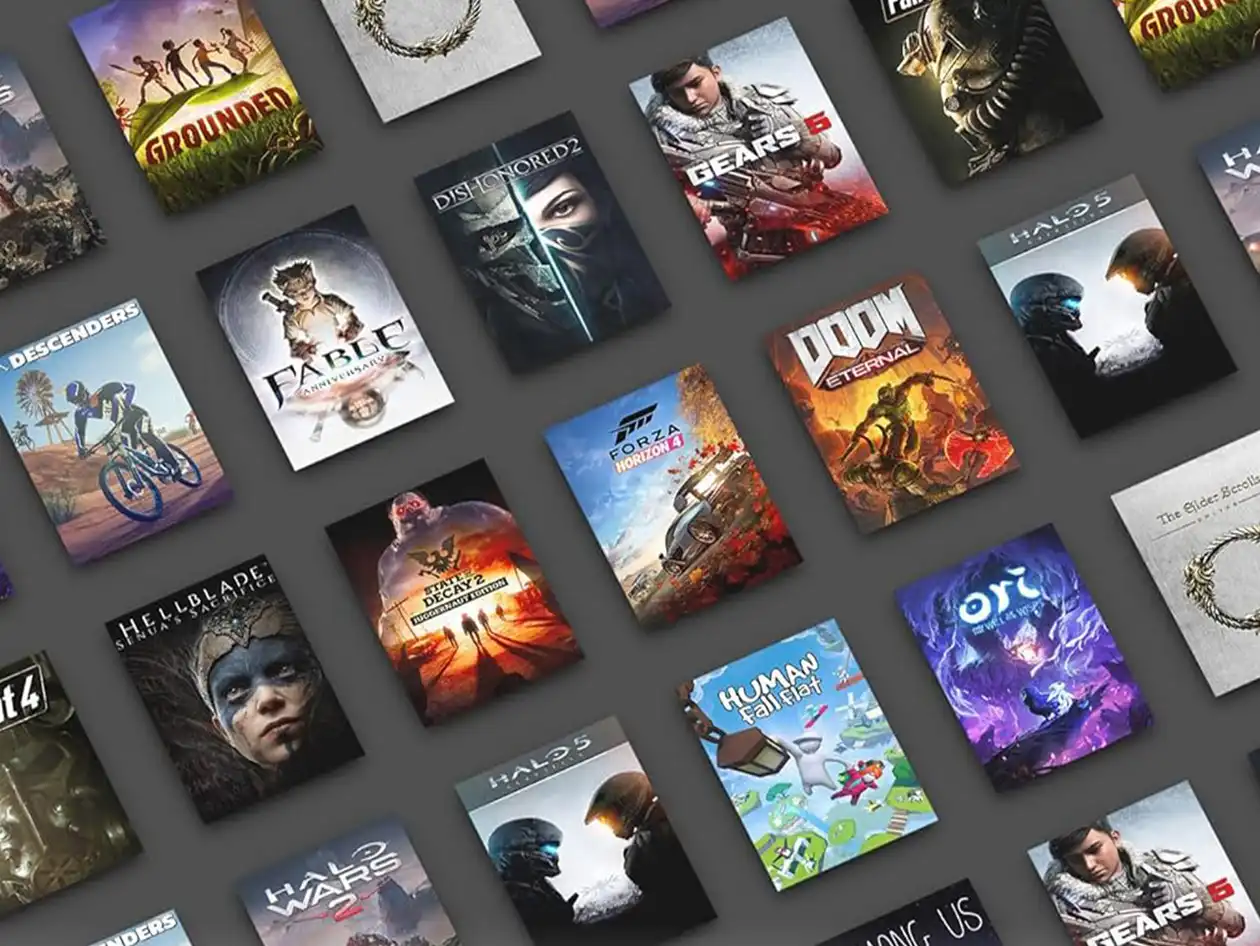
Unlike competitors such as PlayStation Plus or Nintendo Switch Online, which have faced scrutiny over their own pricing strategies, Xbox has historically emphasized expansion without major adjustments. Yet, the financial strain on Game Pass is becoming more apparent, potentially leading to a shift in how the service is structured. This could involve tiered offerings or deeper integrations to justify its cost, though no official changes have been announced.
The challenge for Xbox lies in balancing affordability with financial goals. If the service cannot meet rising content expectations while maintaining profitability, it risks losing ground in a market where loyalty is fragile and competition is fierce. The future of Game Pass will depend on how well Microsoft navigates this balance—without alienating its user base or undermining its own economic model.