A free, open-source fan control utility for Windows has emerged as a compelling alternative to established paid software, offering deeper customization and lower overhead—but its long-term reliability remains unproven.
The tool, designed specifically for enthusiast builds, allows users to fine-tune fan curves with 1% increments, a level of precision rarely seen in consumer-grade solutions. It supports a broad range of hardware, including popular cooling brands, and integrates seamlessly into existing Windows setups without requiring additional drivers or kernel-level modifications.
For the enthusiast: deeper control
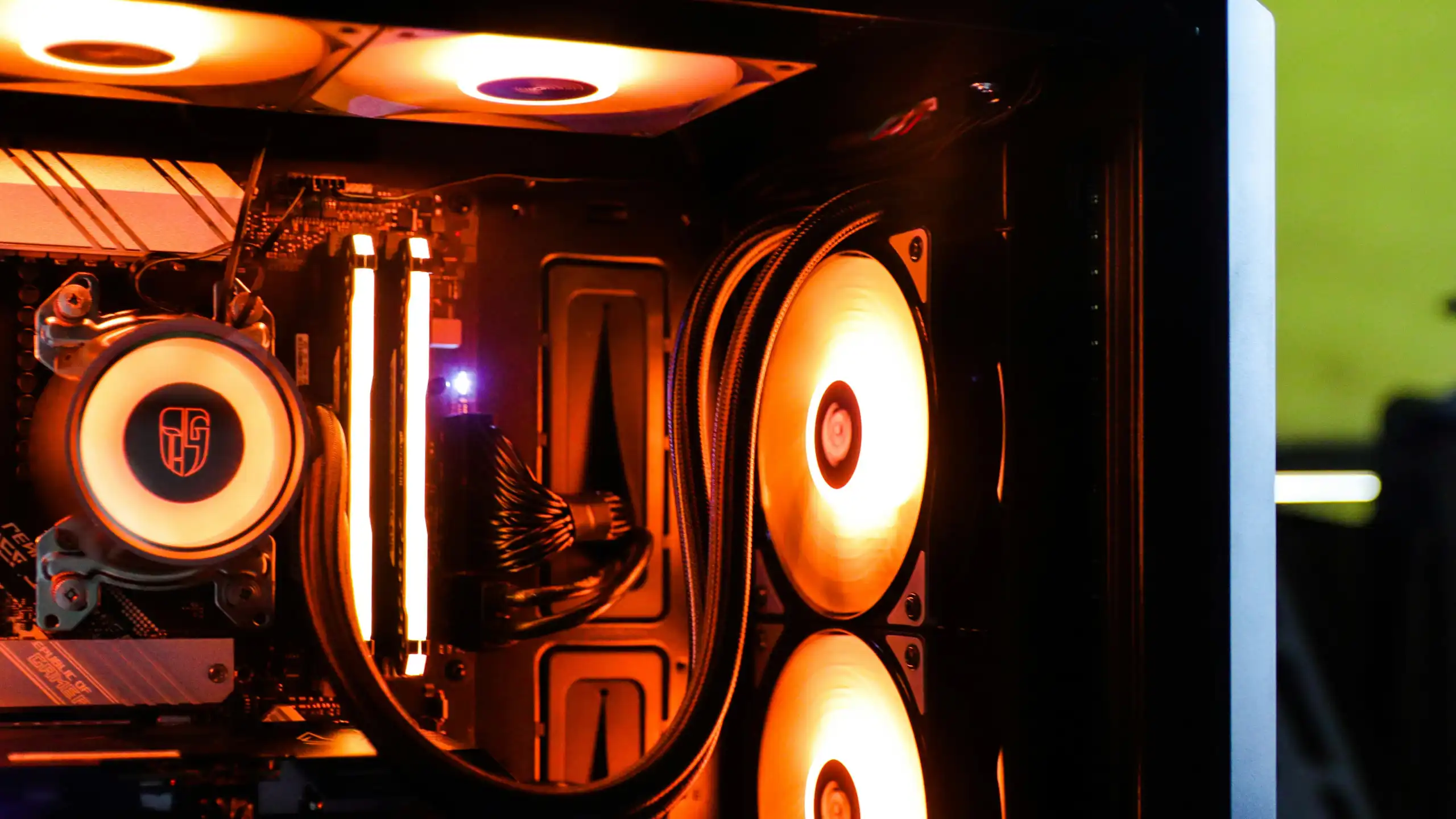
Power users will appreciate the ability to map fan speeds independently across multiple devices—whether it’s a single CPU cooler or an array of case fans. The interface is minimal but effective, with sliders that respond instantly, and no forced branding or upsell prompts. Under the hood, it avoids the performance overhead some older utilities were criticized for, relying on lightweight polling rather than persistent kernel hooks.
- 1% fan speed granularity
- No forced branding or trial popups
- Supports both single and multi-fan setups
- No kernel-level drivers required
For the everyday user: is it worth the switch?
While the tool excels in precision, its value depends on the user’s needs. Casual users with basic cooling requirements may find the additional control unnecessary, and those already satisfied with manufacturer-provided software won’t see dramatic improvements. However, for those frustrated by binary fan modes or limited tuning options in existing solutions, this offers a straightforward upgrade path.
That said, stability is still a question mark. Unlike long-standing paid tools, it hasn’t undergone the same rigorous testing over multiple Windows updates. Early adopters should monitor performance logs if they rely on critical workloads where thermal consistency is paramount.
The bottom line
What’s confirmed: The tool delivers on its promise of free, fine-grained fan control with minimal overhead. It’s a viable option for enthusiasts who prioritize precision over polished UIs or built-in diagnostics. What’s still unconfirmed: Whether it can maintain stability across Windows updates without introducing new quirks. For now, it’s a strong contender—but not yet a default recommendation.