High-performance computing (HPC) and artificial intelligence (AI) have long been constrained by incremental upgrades, but the Dell PowerEdge XE8812 server disrupts this trend with a bold reimagining of compute density. Many organizations assume that existing infrastructure can be stretched further with minor optimizations, yet the demands of AI workloads—particularly large-scale training and simulation—require a fundamental shift in how servers are designed.
The XE8812 addresses this by integrating NVIDIA Vera Rubin NVL4 architecture, which introduces up to 176 cores per socket alongside 50% more memory capacity than its predecessor. This change is not just about raw numbers; it enables entire models and datasets to reside in-memory without relying on slower external storage or data staging. The result is a system where latency becomes negligible, a critical factor for AI workloads that often depend on rapid data access.
Energy efficiency is another area where the XE8812 defies expectations. Traditional HPC servers frequently compromise on cooling to maintain density, but this server adopts 100% direct liquid cooling for both CPUs and GPUs. This allows it to support up to 144 GPUs in an ORv3-style rack while reducing power consumption—a stark contrast to older generations that struggled with thermal bottlenecks. The practical outcome is a system that delivers more performance per watt, a key consideration as data centers face increasing pressure to balance compute needs with sustainability.
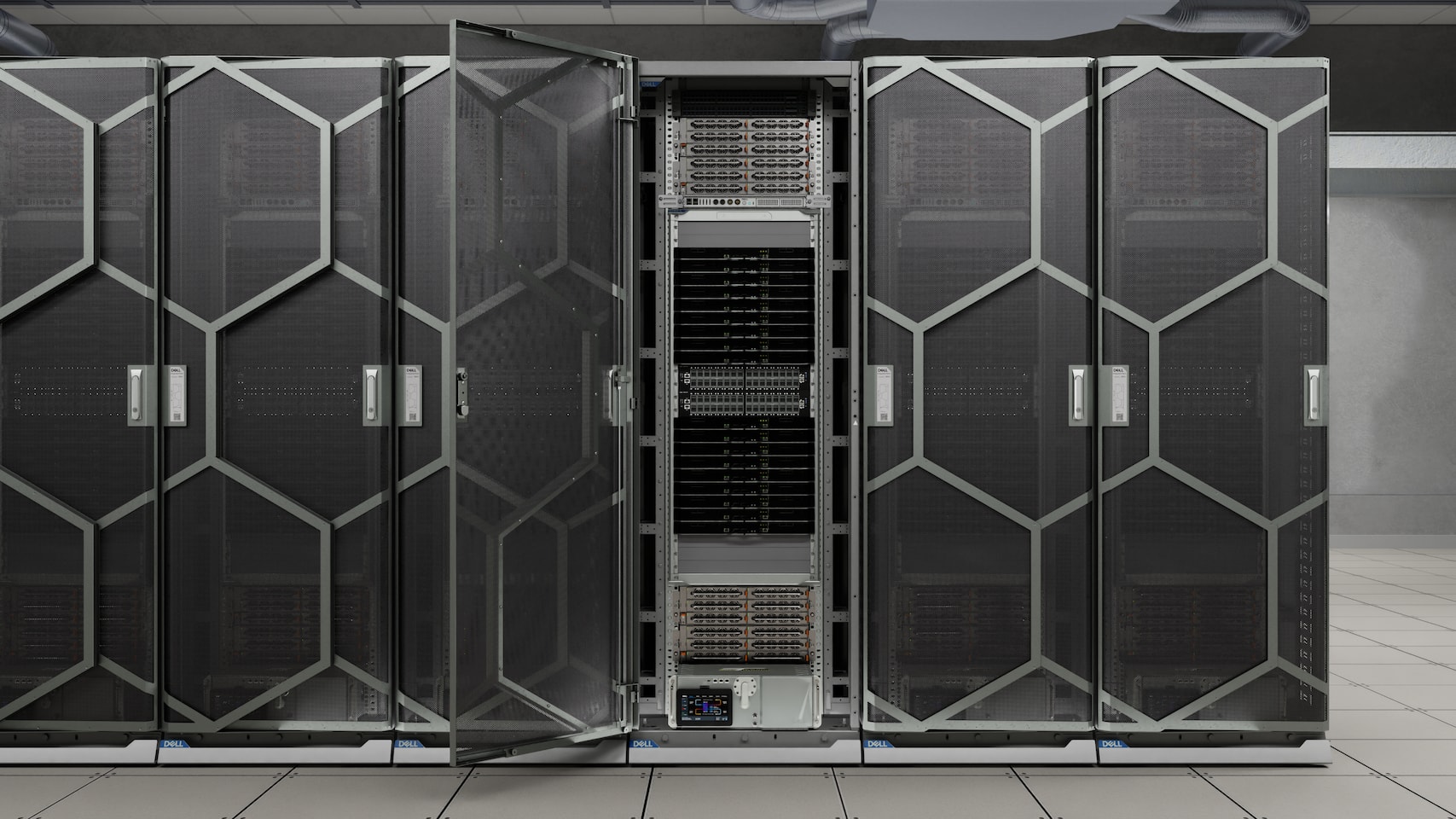
For businesses evaluating the XE8812, its modular design and open architecture stand out. Unlike monolithic systems, it can be configured and deployed in stages, aligning with Dell’s PowerRack integration and ProDeploy services. These features promise faster time-to-value, with organizations able to run live workloads in as little as six hours—a significant reduction from traditional deployment timelines that often stretch for weeks.
Yet, the server’s true impact remains uncertain until real-world adoption provides clarity. Will its memory and compute advancements translate into measurable improvements for end-users? How will it perform under sustained loads compared to competitors? These questions will shape its long-term role in AI and HPC ecosystems, but one thing is clear: the XE8812 is not just an upgrade; it’s a redefinition of what’s possible.
The Dell PowerEdge XE8812 server represents a turning point for organizations pushing the boundaries of AI and high-performance computing. Its architecture bridges the gap between theoretical performance and practical deployment, offering a path forward for those seeking to maximize their infrastructure without sacrificing efficiency. Whether it becomes an industry standard or a niche solution remains to be seen, but its arrival signals a new era in how compute power is harnessed.