The PC DIY market is experiencing a counterintuitive shift: as DDR5 prices remain prohibitive and DDR4 support dwindles, demand for older DDR3 motherboards has surged, bucking the industry’s push toward newer technologies.
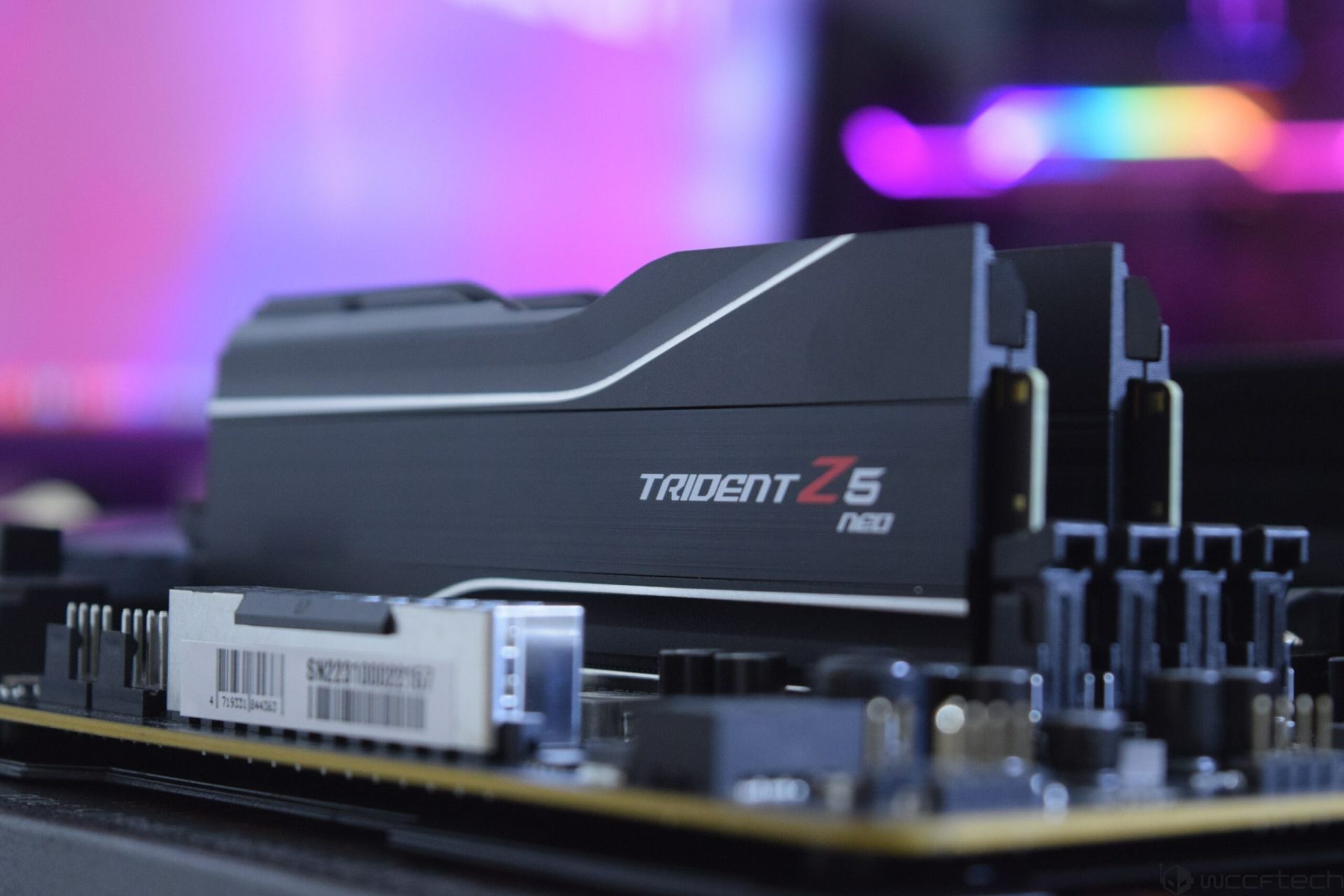
DDR5’s high cost stems from its complex manufacturing process, which requires integrated power management (PMIC) in each module and stricter signal validation. This drives up production costs, making DDR5 kits significantly pricier than their DDR4 predecessors. Meanwhile, DDR4—once a budget-friendly alternative—is losing ground as major chipset manufacturers phase out support for it, leaving consumers with limited options that no longer offer long-term value.

In contrast, DDR3 motherboards are seeing a resurgence, particularly in low-cost bundles pairing them with Intel’s 6th to 9th-generation processors. The X99 platform, often sourced from budget-friendly Chinese suppliers and paired with excess Xeon processors, remains popular due to its compatibility with affordable DDR3 memory. Used DDR3 modules, salvaged from refurbished workstations, further lower the barrier to entry, making this an attractive option for cost-conscious builders despite its outdated technology.
This reversal reflects a broader trend where economic constraints override technological progression. As DDR5 remains inaccessible and DDR4’s future dims, DDR3 motherboards—once considered obsolete—are now dominating sales figures, proving that sometimes, the past offers the best value in an increasingly expensive market.