Blizzard Entertainment is laying the groundwork for what it calls a transformative year, one that blends decades of legacy with bold new directions across its flagship franchises. The company’s recent Blizzard Showcase—a multi-game event spotlighting Overwatch, Diablo, World of Warcraft, and Hearthstone—served as a taste of what’s ahead, but executives emphasize that 2026 is far from a one-off celebration.
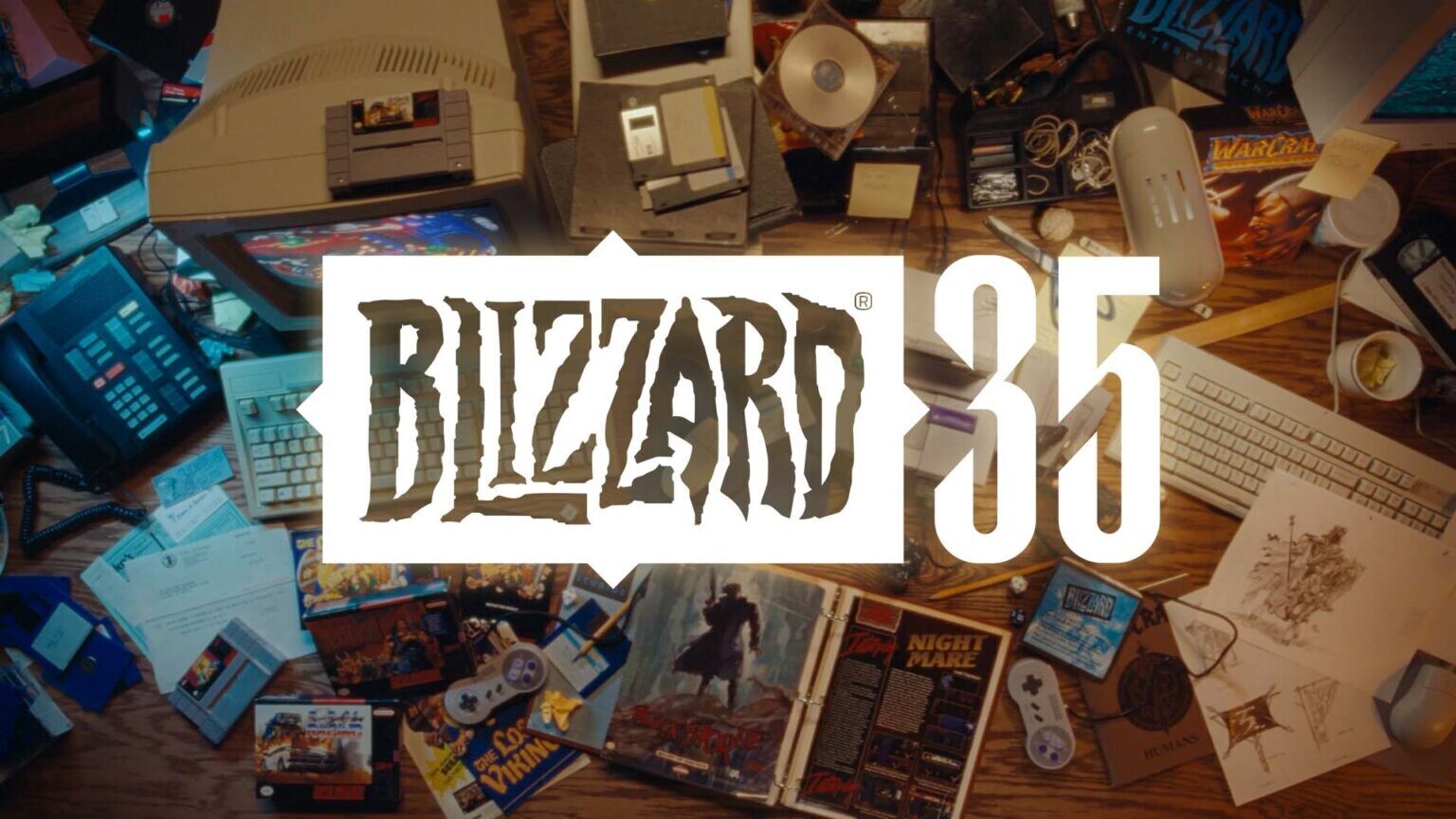
The timing is deliberate. This year marks Blizzard’s 35th anniversary, alongside the 30th anniversary of Diablo and the 10th anniversary of Overwatch. For President Johanna Faries, these milestones aren’t just historical markers—they’re a foundation for rethinking how each franchise evolves over the next 35 years. The Showcase, she notes, was designed to balance player expectations with unexpected delights, a strategy that extends beyond immediate updates.
What sets 2026 apart is the company-wide coordination behind its roadmap. Unlike past years, where announcements might have felt fragmented, Blizzard’s leadership has structured its planning to ensure consistency across games. We’ve organized our thinking to make sure what we’re building today aligns with where we want to be in five or ten years, Faries explains. The result is a year of layered announcements, with BlizzCon later this year positioned as the climax of a carefully staged rollout.
Key takeaways from the company’s vision
- A franchise-first approach, where each game—from Warcraft* to Hearthstone*—has a defined long-term trajectory, not just annual content drops.
- An emphasis on surprise elements, designed to reward long-time fans while introducing fresh experiences.
- A return to BlizzCon, framed as the event where major announcements and potential surprises will be unveiled.
- An internal culture of strategic patience, with teams already mapping out plans for the next three to four years.
The Showcase itself was a mix of methodical planning and spontaneous creativity. Faries describes it as a party on behalf of all of Blizzard, where the goal wasn’t just to deliver updates but to create a sense of collective momentum. The response, she adds, has been stronger than anticipated—a sign that players are hungry for bigger, more cohesive storytelling across the company’s titles.
Yet the most intriguing question remains: What comes next? While the Showcase highlighted incremental updates, Faries leaves little doubt that BlizzCon will be the centerpiece of 2026’s revelations. The event, returning after a period of redefinition, is being positioned as the stage for announcements that could redefine individual franchises—or even introduce entirely new directions. There’s still a huge swath of what we’re stacking up, she notes, hinting at a year where Blizzard’s past and future collide.
The company’s confidence is rooted in years of preparation. Teams across Blizzard have been refining their visions for the next decade, ensuring that every major decision—from gameplay overhauls to narrative expansions—serves a larger purpose. For players, this means a reliable cadence of innovation, even if not every experiment succeeds. Not everything will hit, Faries acknowledges, but the goal is to be clear about where we’re going—not just as a company, but by franchise, by game.
The stage is set. The question now is whether 2026 will deliver on the promise of a year unlike any other in Blizzard’s history.