Flat-rate AI subscriptions are no longer a given. What started as a simple pricing model—pay a fixed monthly fee for unlimited access—is now under pressure from rising costs and technical constraints.
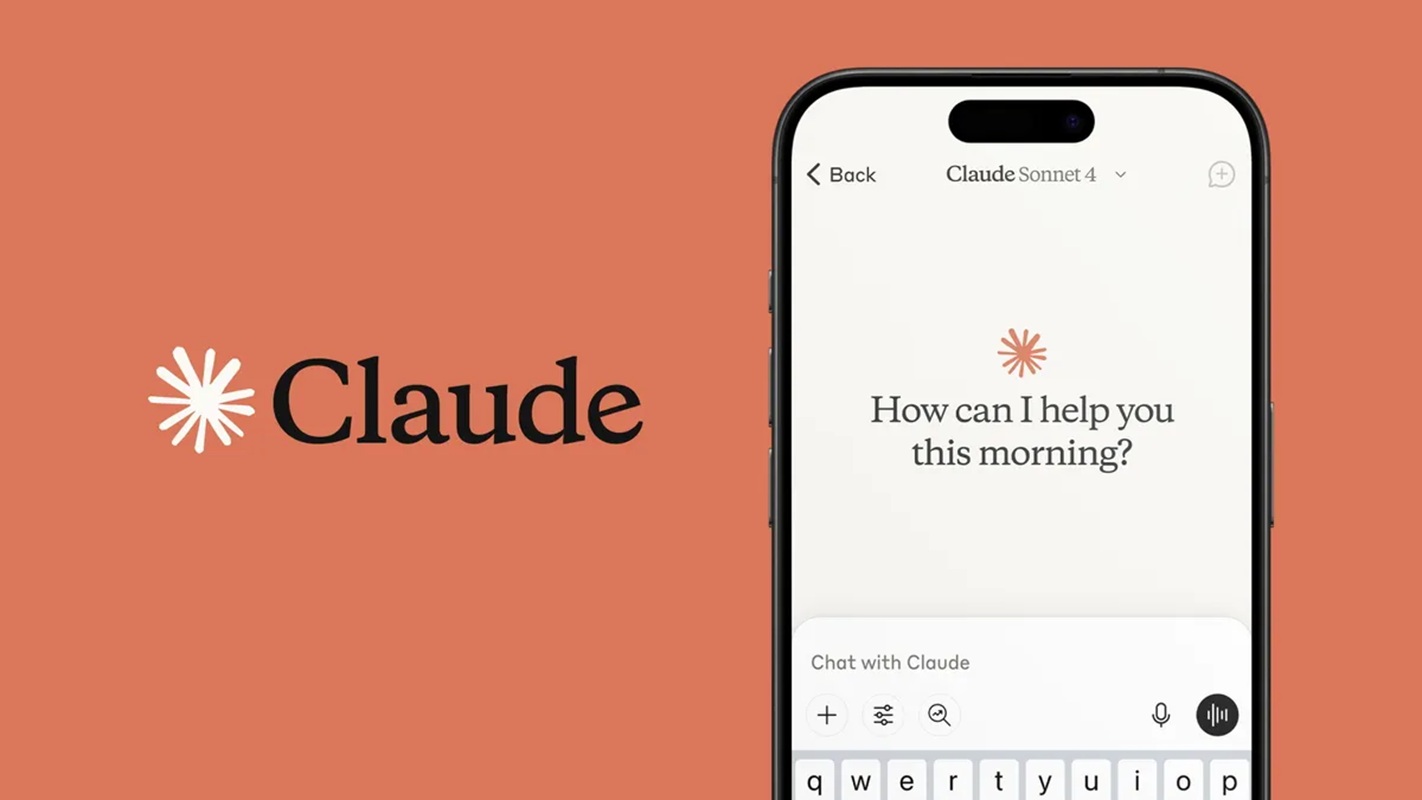
One of the latest changes affects Claude Code, a developer-focused AI assistant that has become a staple in coding workflows. Previously, users could rely on a flat-rate plan, but recent adjustments suggest a move toward token-based billing. This isn’t just about higher costs; it’s about how AI services are structured and who bears the financial burden.
Why the Shift Matters
The rise of generative AI has pushed computational demands to new heights. Training models, generating responses, and maintaining performance require significant resources, and flat-rate pricing is becoming unsustainable for providers. As a result, some services have already moved to per-token or per-use billing, forcing users to adapt.
What’s Changing for Claude Code
- Flat-Rate Plans Disappearing: Some AI services that once offered unlimited access are now limiting usage or switching to token-based pricing. This could mean higher costs for heavy users.
- Developer Tools in the Crossfire: Claude Code, designed for coding tasks like debugging and code generation, may face similar changes if it moves away from flat-rate billing. Developers rely on consistent performance, so any disruption could impact productivity.
The shift isn’t just about pricing—it’s about platform lock-in. Users who built workflows around flat-rate access may find themselves locked into more expensive or restrictive models unless they diversify their AI toolchain.
Who Benefits and Who Doesn’t
Developers using Claude Code for complex tasks will need to weigh the cost of per-token billing against the benefits. Those with lower usage might see minimal impact, but heavy users—especially in enterprise environments—could face significant expenses. Meanwhile, providers may argue that token-based pricing reflects true usage, but the transition period could be rocky.
What’s Unclear
- Will Claude Code follow suit with per-token billing? If so, when?
- How will this affect open-source or self-hosted alternatives?
The future of AI subscriptions isn’t just about cost—it’s about control. Users who can adapt quickly may find new ways to optimize their workflows, while others could be left scrambling for alternatives.