Intel Foundry Services (IFS) is making deliberate strides into the AI and workstation markets, though its path to dominance remains uncertain. Unlike its competitors, Intel’s approach leans heavily on strategic partnerships rather than proprietary advancements, which could either accelerate its growth or limit its long-term impact.
The most significant development involves Tesla, reportedly becoming Intel’s first major customer for its 14A process node. While specifics are scarce, industry speculation points to a potential licensing deal for Elon Musk’s Terafab AI chip complex in Austin. If this materializes, it would represent a milestone for IFS, but the broader implications for performance and market penetration remain to be seen.
Specs and Market Positioning
- Process Node: 14A (Terafab AI chip complex)
- Workstation Chips: Xeon 600 series, Core Ultra 200S Plus/200HX Plus
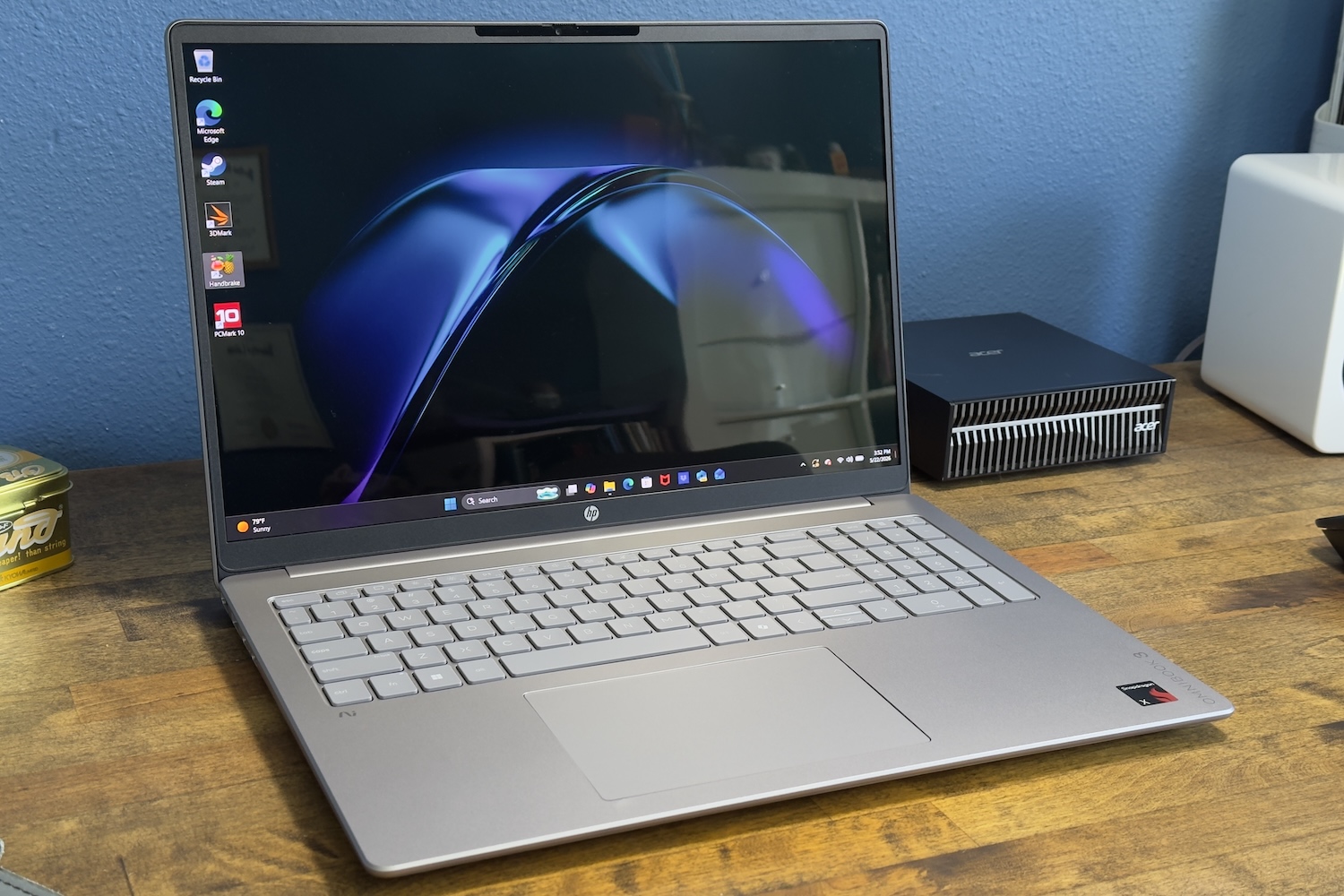
- Mobile Chips: Core Ultra Series 3 with vPro
- Edge Devices: Core Series 2
The Xeon 600 series is designed to challenge high-performance workstations, while the Core Ultra 200S Plus and 200HX Plus aim to bridge desktop and mobile workloads. These chips are optimized for tasks like rendering, simulation, or AI training, but their market success will depend on how they stack up against AMD’s RDNA architecture and NVIDIA’s data-center dominance.
Challenges and Realistic Expectations
Intel’s foundry business is still in its infancy compared to TSMC or Samsung. While the Tesla partnership is a positive indicator, external revenue from IFS remains minimal, largely driven by legacy wafer work rather than new customer demand. This suggests that Intel’s internal chip production continues to be the primary driver of its foundry operations, which could constrain rapid scaling for external clients.
Pricing adjustments are also underway, with Intel raising chip prices to offset rising production costs. While this may benefit margins, it could deter cost-sensitive buyers in workstation and AI markets. The company’s Q2 guidance reflects a cautious optimism, with revenue projections slightly exceeding analyst expectations, but the long-term impact on adoption remains uncertain.
Market Dynamics: Who Benefits?
The primary beneficiaries of Intel’s strategy will likely be enterprise users running workloads that don’t require the most advanced process nodes. Workstation users may see incremental improvements in performance per watt, but these won’t match the advancements seen with NVIDIA’s RTX or AMD’s RDNA 5 architectures.
For now, Intel’s foundry push is more about establishing a foundation than delivering immediate breakthroughs. The true test will be whether it can secure additional high-profile customers and prove that its process nodes are a viable alternative to TSMC’s offerings. Until then, the market will observe closely—but without overpromising.
Availability
Intel Foundry Services is already operational, with the 14A process node available for select customers. However, widespread adoption in AI and workstation markets will depend on how quickly Intel can scale its production capacity and demonstrate competitive performance against established players like AMD and NVIDIA.