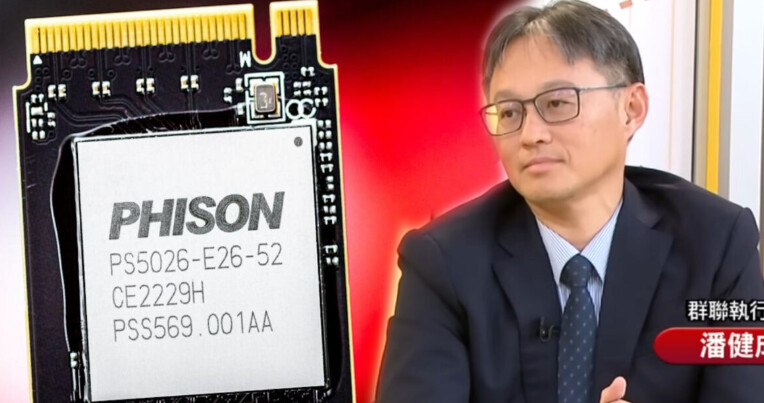
The consumer electronics industry faces an unprecedented existential threat: a severe and prolonged shortage of DRAM and NAND flash memory that could force hundreds of companies—especially smaller players—to shut down by the end of 2026. The warning comes from Chien Chen Pang, CEO of Phison, a dominant supplier of flash controllers for SSDs, USB drives, and memory cards, whose components underpin everything from Wi-Fi routers to smart TVs.
At the heart of the crisis is a price explosion for even the most basic memory chips. An 8GB eMMC module, once priced at just $1.50 in early 2025, now costs nearly $20—a surge that makes it financially impossible for manufacturers to produce cost-effective devices like set-top boxes, budget smartphones, or entry-level smart home gadgets. For products priced under $100, the math is simple: if the memory alone exceeds the target retail price, the entire business model collapses.
But cost isn’t the only issue. Supply chains have become so rigid that manufacturers are booking orders three years in advance—meaning DRAM and NAND shipments for 2026 may not even arrive until 2030. The market has shifted into a supplier-dominated regime where demand far outstrips capacity, and geopolitical tensions—including restrictions on Chinese memory producers—have only deepened the bottleneck.
Why This Matters
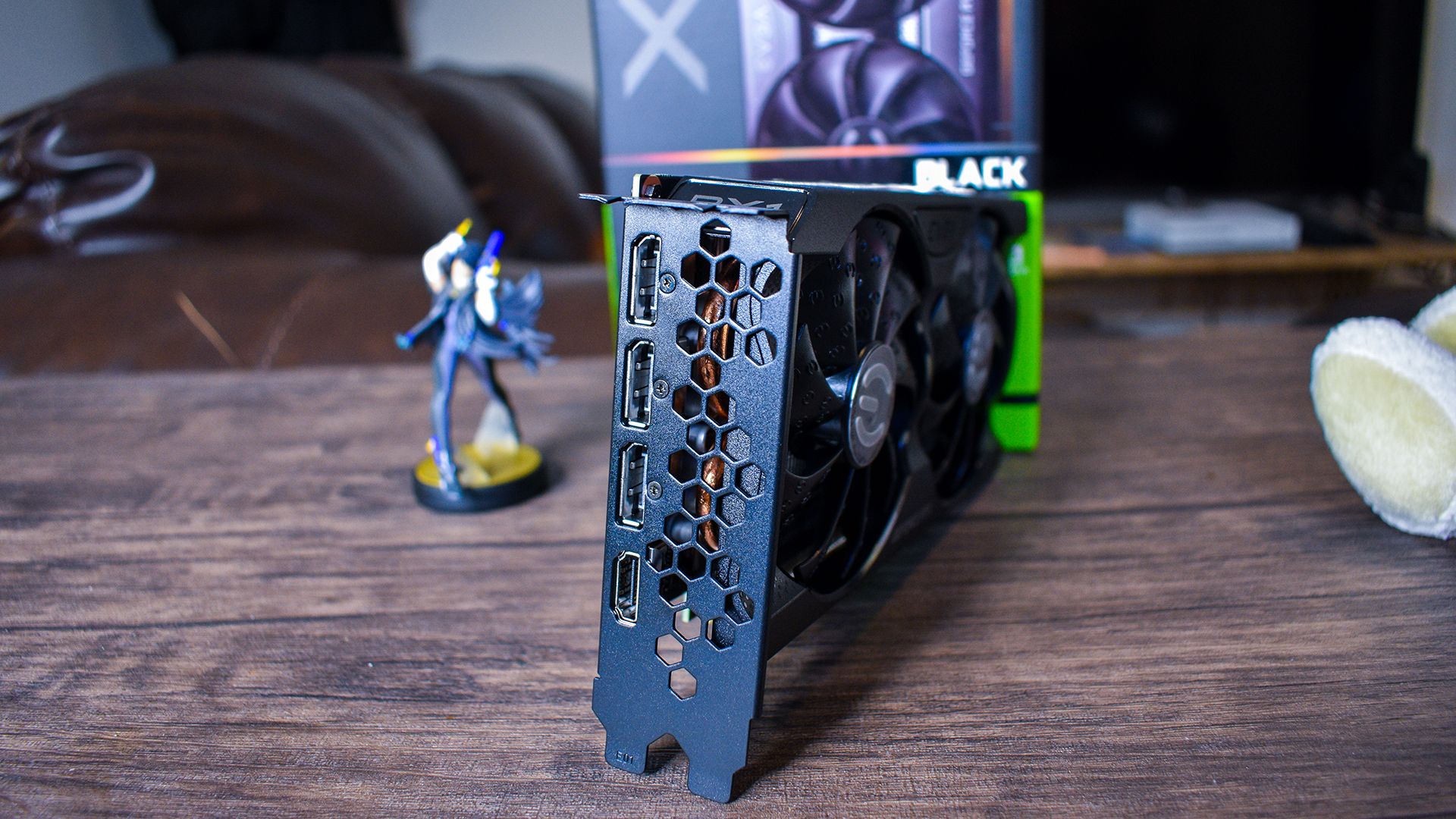
For consumers, the ripple effects could be devastating. Devices that once retailed for under $100—like mid-range routers, digital photo frames, or basic smart displays—may vanish entirely. Even larger manufacturers are scaling back plans, with reports suggesting AMD and NVIDIA are cutting GPU production, and motherboard makers like ASUS delaying launches due to memory constraints.
The shortage isn’t just hurting hardware. Cloud providers, data centers, and AI infrastructure—all of which rely on massive DRAM allocations—are also feeling the pinch. With lead times stretching into the next decade, companies are locked into contracts they can’t fulfill, and inflation is already spreading across the tech supply chain.
Key Specs: The Price of Memory
- 8GB eMMC (2025 vs. 2026): $1.50 → $20 (1,200% increase)
- DRAM lead times: Up to 3 years (2026 orders may ship in 2030)
- Supply constraints: Supplier-driven market with no near-term relief
- Geopolitical factors: Chinese DRAM/NAND producers restricted, limiting global capacity
- Industry impact: Small electronics firms ($100 retail price point) at highest risk of closure
The good news, if there is any, is that the crisis may ease by the late 2020s as new foundries come online and geopolitical pressures ease. But for now, the outlook is bleak: a perfect storm of soaring prices, vanished supply, and a market structure that can’t adapt quickly enough.
For consumers, the message is clear: the next few years could see a dramatic consolidation in the electronics market, with fewer choices, higher prices, and a sharp decline in innovation for budget-friendly devices.