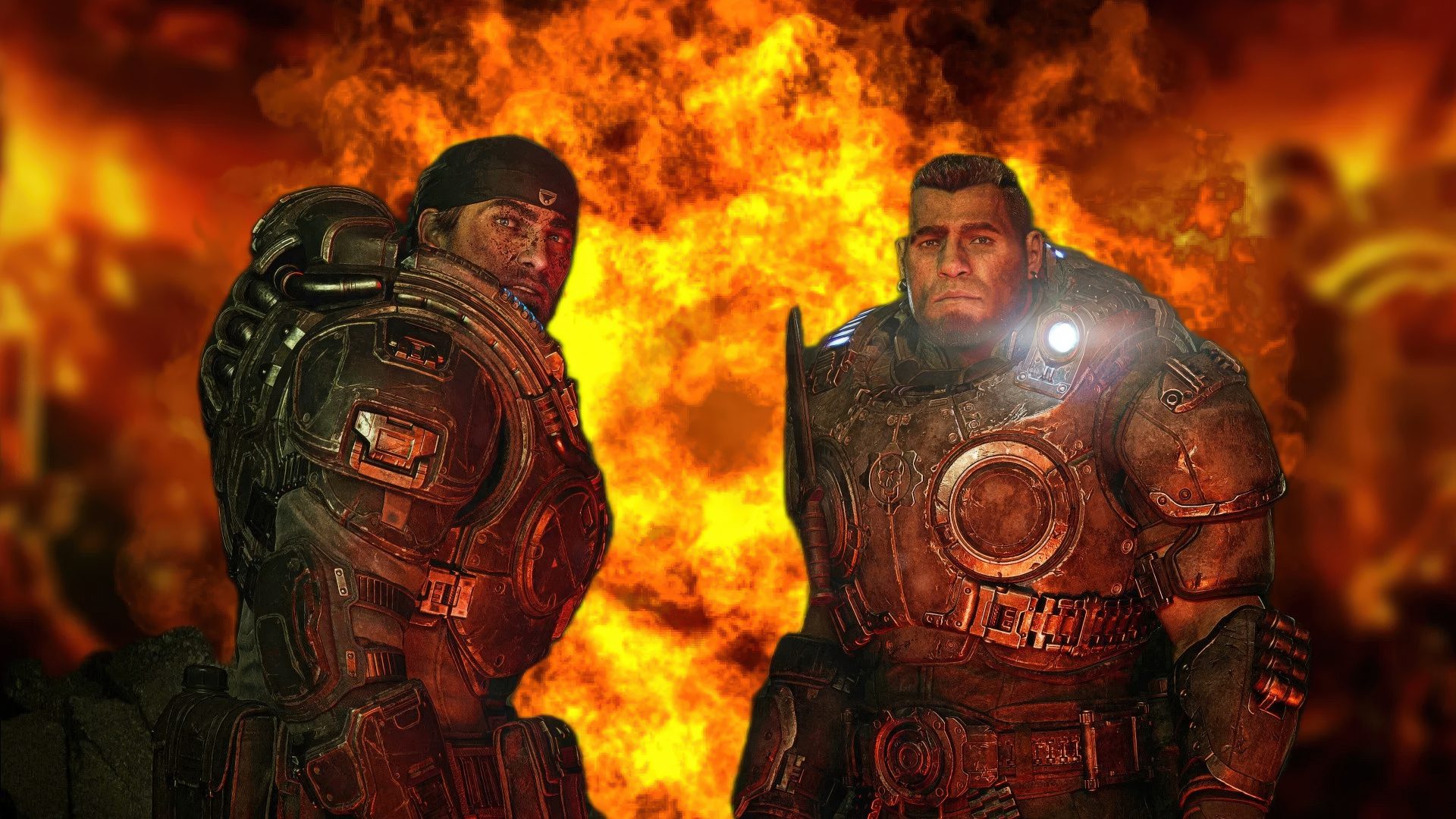
The Bad Blood training simulation is designed to test a player’s ability to turn a traditionally punishing mechanic—friendly fire—into an advantage. Unlike standard modes where it’s a nuisance, here it becomes the key to progress. The challenge: defeat four enemies in rapid succession while navigating a shifting map, all without falling into common pitfalls like misjudged timing or cooldown mismanagement.
- How to position yourself to trigger friendly fire without self-damage
- The precise sequence of attacks and pauses for each enemy wave
- When to reset your stance to avoid penalties mid-simulation
- Strategies for managing cooldowns across all four enemies
This guide strips away unnecessary complexity, focusing on the essentials: positioning, timing, and adaptability. It doesn’t promise instant mastery—few players achieve it immediately—but it provides a clear roadmap to consistent success.
The simulation’s core challenge lies in its rhythm. Friendly fire isn’t just a tool; it’s the heartbeat of the experience. Misjudge the timing, and you’ll face unnecessary losses. Nail it, and you’ll clear each wave faster than expected, with minimal penalties. The map shifts slightly after each wave, but the fundamentals remain unchanged: precision over haste.
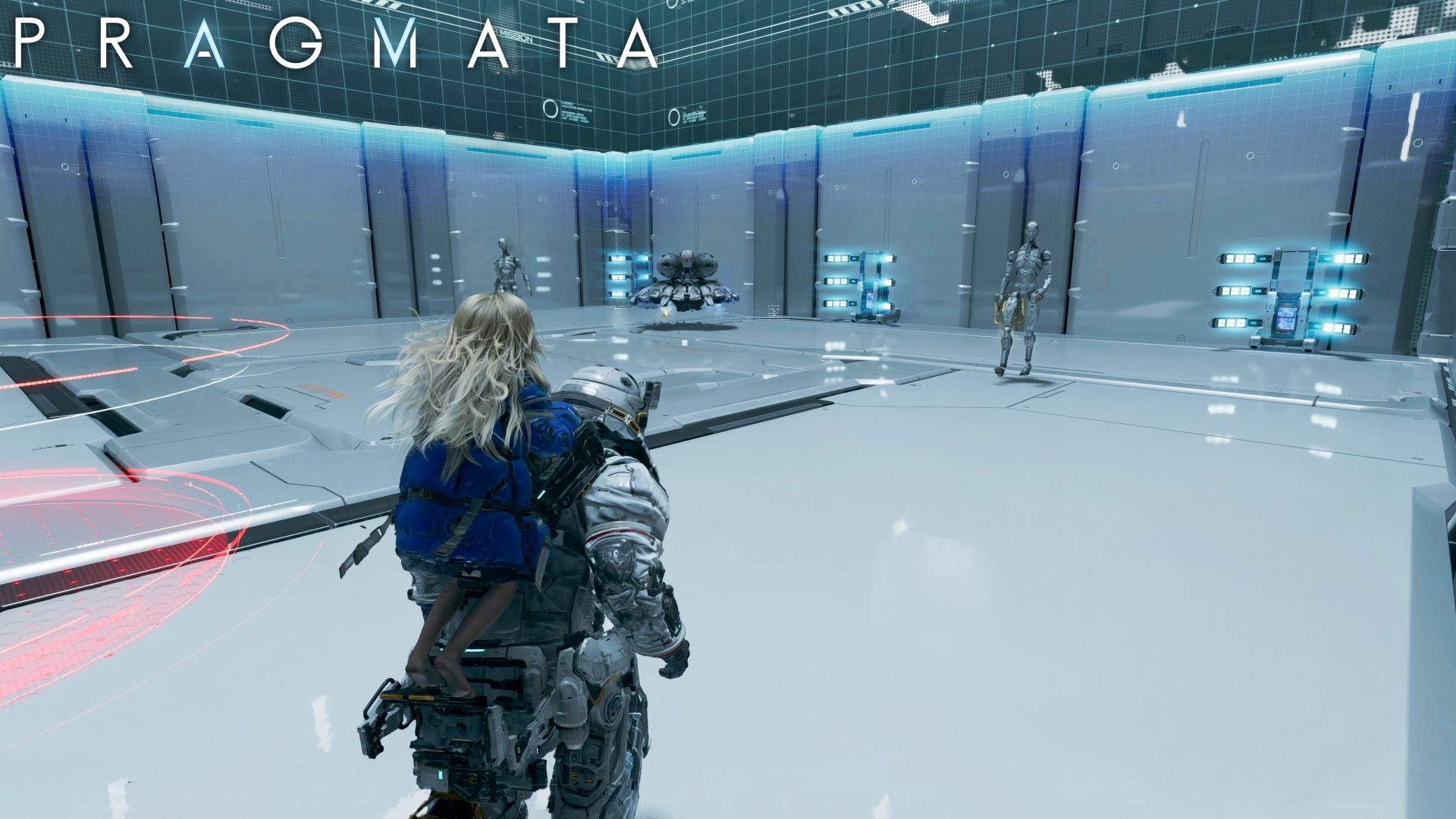
Start with the initial room. Your first move must be deliberate: step forward to engage the enemy, then retreat slightly to avoid taking damage from your own attacks. This micro-management sets the tone for the rest of the simulation. For each subsequent wave, follow a specific sequence—attack, pause, attack again—while moving in a precise pattern. Friendly fire will trigger at predetermined intervals, dealing damage to nearby enemies without harming yourself if timed correctly.
Cooldowns are just as critical as positioning. Each friendly fire ability has a brief window before it resets. Rushing through moves can leave you vulnerable during that gap. Patience is non-negotiable; the simulation rewards control, not speed. Clearing all four enemies in one run isn’t just about efficiency—it’s about avoiding unnecessary movements or delayed actions that could turn a potential victory into a penalty.
Advanced players will notice the map’s subtle shifts after each wave. This isn’t random; it tests adaptability while reinforcing the core strategy: precision over haste. The simulation doesn’t reward brute force, so don’t overcomplicate your approach. Stick to the fundamentals, and you’ll carry that mindset into more complex challenges with confidence.
The most significant change in this training simulation is its redefinition of friendly fire from a drawback into a tactical tool. That shift alone changes how players approach challenges, turning what was once a frustrating mechanic into a core part of strategy. Master it, and you’ll see the same principles apply across more demanding simulations.