The ASUS ROG Swift PG259QN isn’t just another high-refresh-rate monitor—it’s the first to combine a 1080p OLED panel with a blistering 540Hz refresh rate, setting a new benchmark for responsiveness in competitive gaming. While extreme refresh rates rarely translate directly into smoother gameplay for most titles, the PG259QN’s design suggests ASUS is targeting professionals and ultra-competitive gamers who demand the absolute fastest possible reaction from their display.
The monitor leverages LG’s OLED panel technology, delivering peak brightness of 1000 nits, near-instantaneous response times (0.03ms GTG), and perfect blacks—qualities that have long been associated with premium gaming monitors but are now being optimized for speed. The 540Hz refresh rate is a technical marvel, but its real-world impact remains uncertain, as most games don’t fully utilize such high frame rates. This creates an interesting dynamic: the PG259QN is built for those who need every possible advantage in fast-paced environments, even if the average gamer won’t notice the difference.
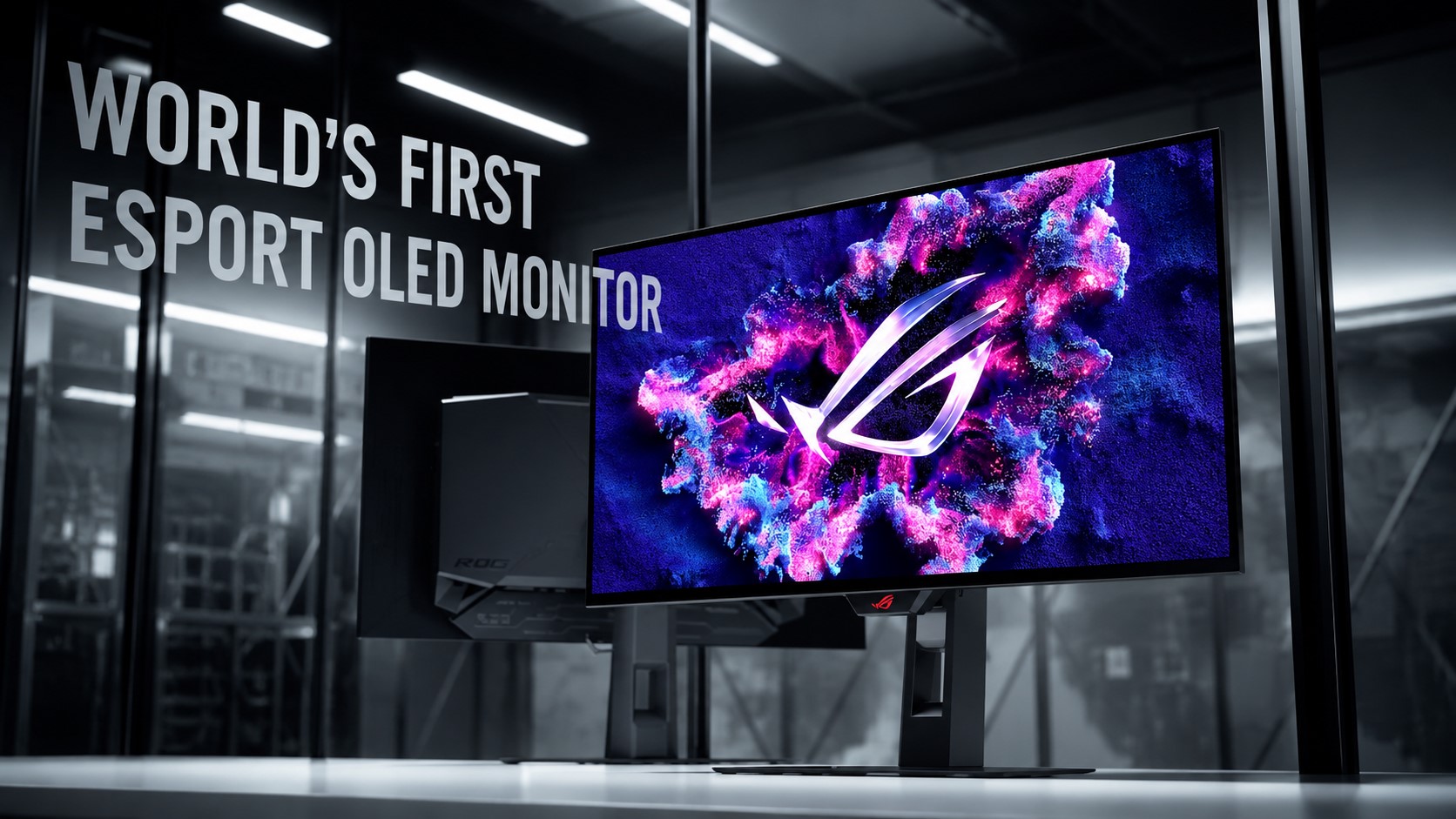
Beyond raw speed, the PG259QN balances features that cater to both gaming and professional workflows. It supports 1440p input via HDMI 2.1 and DisplayPort 1.4, ensuring compatibility with next-gen consoles and high-end GPUs, while its compact 24.5-inch size makes it a desk-friendly option. The inclusion of a 1ms MPRT response time (measured at 90% brightness) is a technical achievement, but its practical benefits will likely be most noticeable in fast-paced esports titles rather than slower, narrative-driven games.
Availability and pricing are still up in the air, with no official figures released yet. However, monitors of this caliber typically start around $1,500–$2,000, which suggests a premium positioning aimed at enthusiasts and professionals rather than mainstream gamers. For those in ultra-competitive scenes where every frame matters, this could redefine expectations for monitor performance.
The PG259QN represents a significant leap forward in panel technology and refresh rates, but its long-term success hinges on whether the speed translates to noticeable improvements in games, how the OLED panel ages over time, and if ASUS can deliver on reliability without breaking the bank. For now, it’s a high-stakes experiment—one that could set a new standard or remain a niche curiosity for those chasing the absolute fastest possible response.