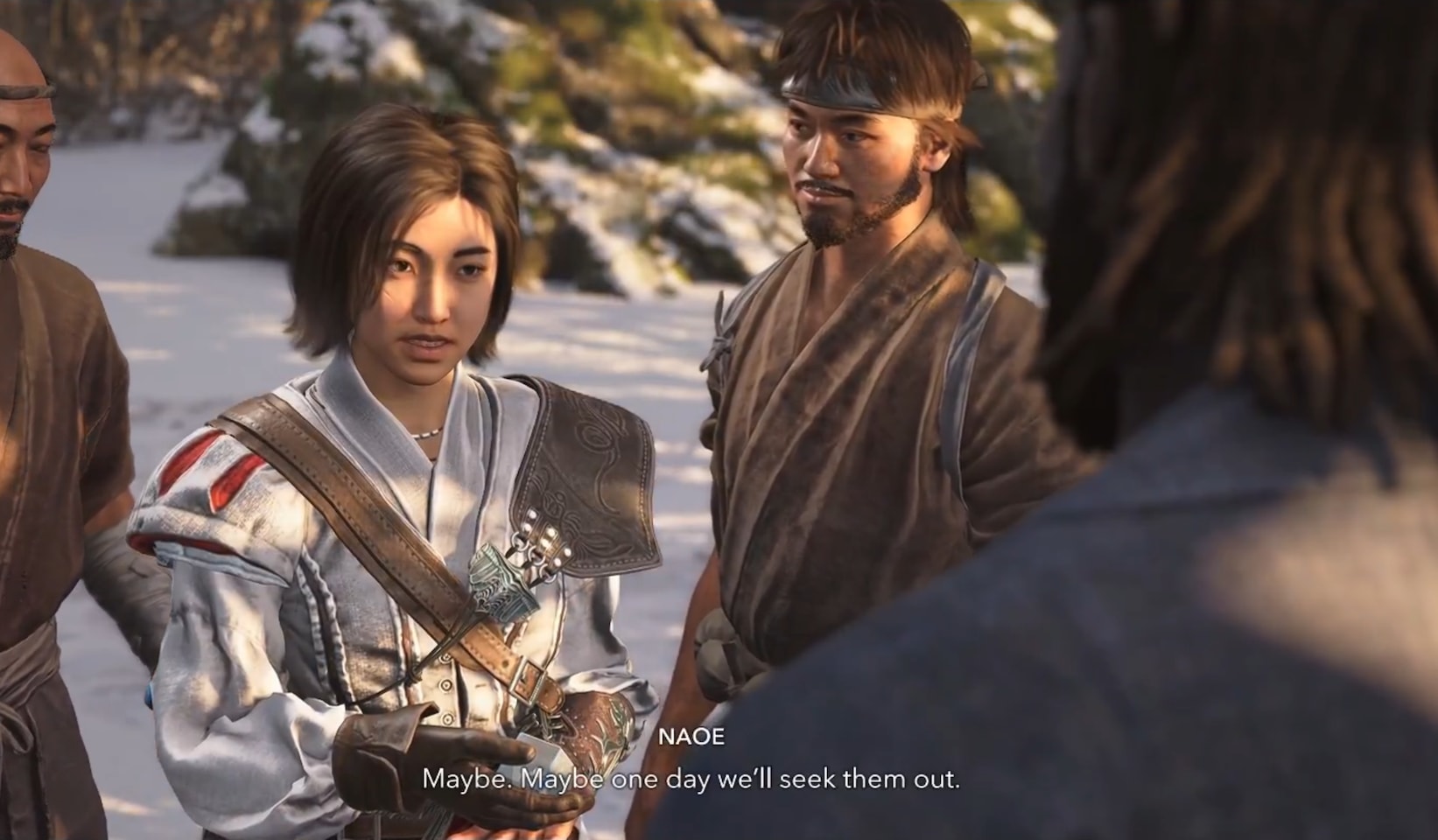
A final update to Assassin's Creed Shadows appears to have opened more questions than it closed. The ending of Naoe and Yasuke’s storyline—centered around an unresolved plot device—has sparked intense speculation about whether Ubisoft is laying groundwork for a sequel or additional content, possibly revisiting established characters in a way not seen before.
Unlike previous entries that leaned heavily into open-world design, the latest hints suggest a shift back toward more linear, narrative-driven experiences. This aligns with recent reports indicating that an upcoming mainline Assassin's Creed title will prioritize traditional storytelling over expansive world-building, potentially signaling a broader realignment of the franchise’s creative approach.
Key Narrative and Technical Shifts
- Open-Ended Story Conclusion: The final update leaves Naoe and Yasuke’s arc deliberately unresolved, with implications for future appearances or expansions.
- Franchise Integration: Earlier reports hint at a return to Ezio, the only protagonist in Assassin's Creed history to appear across multiple games, raising questions about how Ubisoft might weave its stories together more cohesively.
The narrative ambiguity is not without precedent. Previous entries have experimented with character returns, but never on this scale or with such clear forward-looking implications. If executed well, this could mark a turning point for the series, moving beyond its recent emphasis on open-world mechanics to focus more intently on narrative depth and continuity.
What’s Next for Ubisoft?
- Potential Sequel or DLC: The unresolved ending suggests that Naoe and Yasuke could return in a future installment, either as part of a mainline game or an expansion. This would be unprecedented in the franchise’s history.
- Franchise-Wide Reboot: If Ubisoft follows through on reports about a more traditional Assassin's Creed experience, it could indicate a deliberate pivot away from the open-world formula that has dominated recent releases. This shift, if confirmed, would have significant implications for how future games are designed and marketed.
The stakes are high. A return to narrative-driven storytelling could rejuvenate fan interest, but it also risks alienating players accustomed to the series’ expansive worlds. Whether this is a bold creative gambit or a misstep remains to be seen, but one thing is clear: Ubisoft is testing boundaries in ways that could reshape the franchise’s identity.
For now, fans are left with more questions than answers. The final update’s ending is deliberately cryptic, leaving room for interpretation and speculation. If Ubisoft intends to double down on narrative integration, the next steps will be critical in determining whether this is a strategic shift or an experiment that may not pay off.
The Assassin's Creed series has always been about more than just gameplay—it’s a story engine. If Ubisoft is serious about redefining its approach, the coming months will be pivotal in deciding whether this is a temporary detour or the beginning of a new era.