PC builders are facing a quiet but significant shift in component pricing that could reshape how they approach system design. While SSDs have long been a balancing act between capacity, speed, and cost, industry chatter suggests another round of price increases—this time potentially hitting at least 10 percent—could tighten the screws on already lean budgets.
This isn't just about storage. The underlying factors driving SSD costs may also be setting the stage for more aggressive pricing elsewhere, particularly in CPU markets where manufacturers are reportedly eyeing steeper margins. For creators and workflow-heavy users, that means fewer dollars going toward raw performance or capacity per watt.
What changes when SSD prices climb
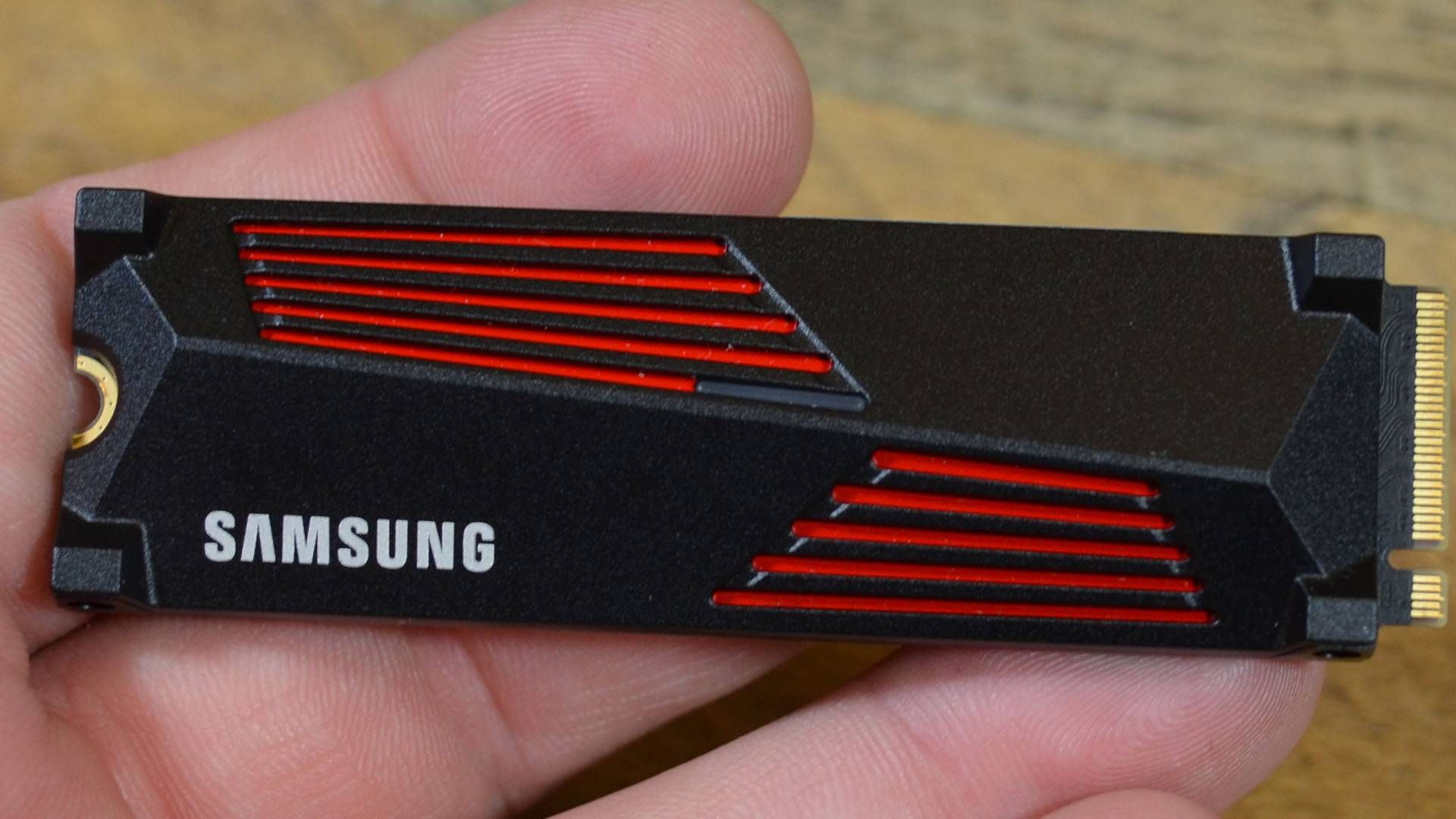
The immediate impact of a 10 percent price increase is straightforward: less storage for the same budget, or higher costs for larger capacities. But the consequences ripple further into system design. Users who rely on multi-TB NVMe arrays for video editing, 3D rendering, or large-scale data processing will see their per-gigabyte efficiency erode without a corresponding boost in performance specs.
- Higher base costs force trade-offs: fewer drives in a RAID setup, or smaller capacities at the same speed tier.
- Workflows that assume fixed storage budgets will need reassessment, squeezing room for other components like RAM or GPUs.
- Enterprise and professional users may see longer payback periods on high-capacity arrays, delaying upgrades or expansions.
The shift also tests the limits of current price-to-performance benchmarks. While SSDs have improved dramatically in raw speed—reaching sequential reads well above 7,000 MB/s—their cost per gigabyte remains a sticking point for users who need both capacity and bandwidth. A 10 percent hike could push some to reconsider whether they're getting enough value from their current setups.
Broader implications: when storage leads to CPU
The SSD price increase isn't happening in isolation. Industry analysts point to a convergence of factors: supply chain pressures, rising NAND flash costs, and manufacturing adjustments that could spill over into other chip categories. Early indications suggest CPUs—particularly high-end models—may not be immune.
For now, the focus is on SSDs, but the dynamics at play are similar to those seen in GPU markets during past price surges. When one component tightens, others often follow, especially if manufacturers see an opportunity to adjust pricing across the board. This could mean less headroom for users who rely on balanced systems, where CPU and storage costs are closely tied.
Looking ahead, the question isn't just whether SSD prices will rise, but how quickly other components might catch up. If history is any guide, price hikes tend to cascade, leaving power users scrambling to maintain their workflows without breaking the bank.