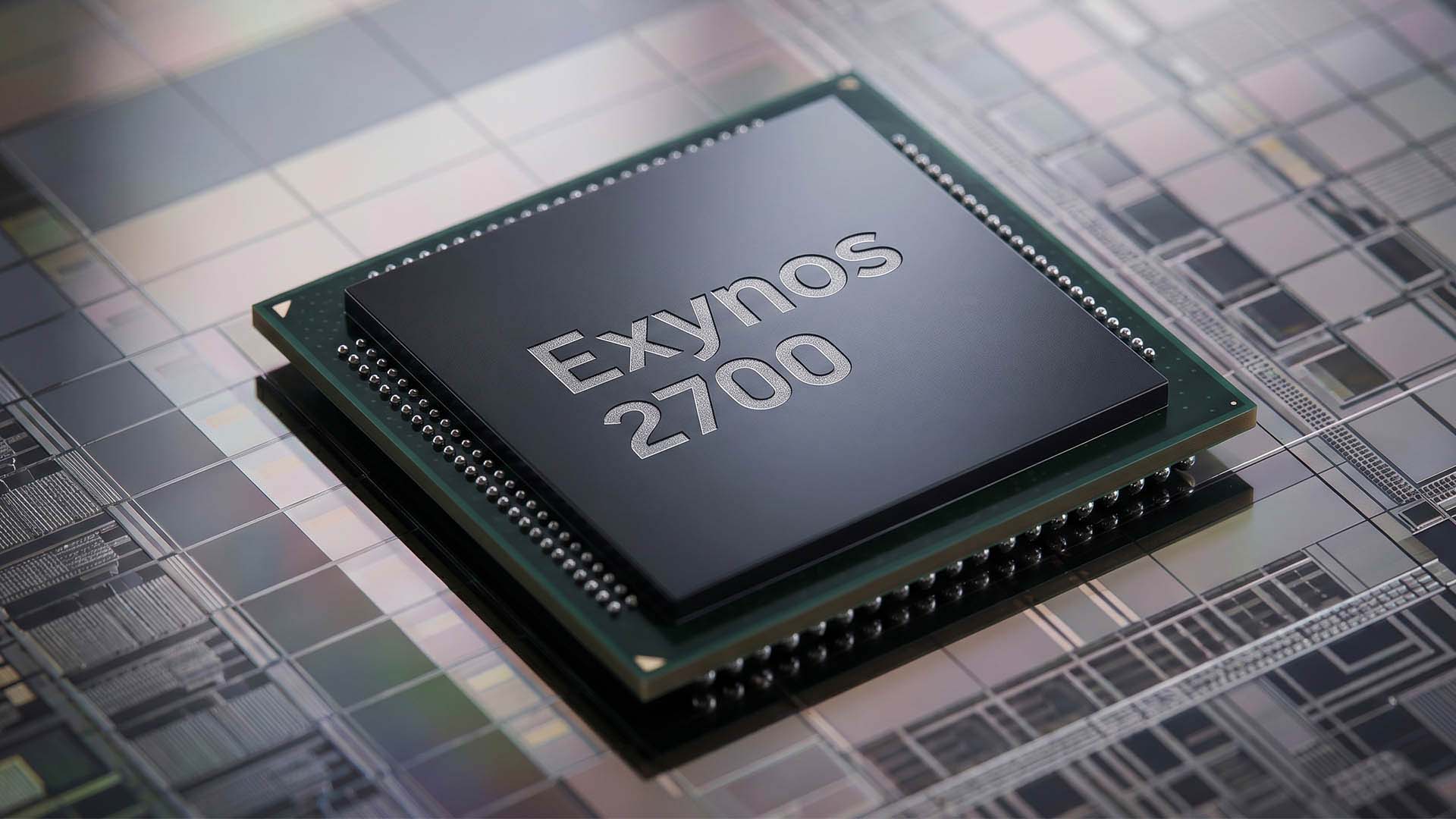
AMD’s future may hinge on a less conventional path forward: Samsung’s emerging 2nm process. While not yet finalized, sources indicate that discussions between AMD and Samsung are in advanced stages, with the chipmaker exploring the Korean firm’s technology as an alternative to TSMC’s foundry dominance. This could be a turning point for AMD’s wafer supply strategy, but significant uncertainties remain.
The chip industry has long relied on TSMC for cutting-edge node production, particularly for high-performance designs like AMD’s Zen architecture. However, recent capacity constraints have forced companies to diversify their manufacturing partnerships. Samsung, which has been ramping up its own process development, now presents a viable option for AMD—one that could mitigate supply risks while enabling access to next-generation nodes.

Samsung’s 2nm process is still in its early stages of validation, with mass production not expected before 2025. If adopted, it would complement AMD’s existing TSMC-based roadmap rather than replace it entirely. The company has not confirmed any commitment, but the potential for a dual-sourcing strategy could provide more flexibility in meeting demand for CPUs and GPUs.
For small businesses relying on AMD hardware, this development could have long-term implications. Stable wafer supply is critical to maintaining production timelines, and any shift in manufacturing partnerships may affect pricing and availability. While TSMC remains the primary supplier, a backup option would strengthen AMD’s resilience against future disruptions.
What’s next? The timeline for Samsung’s 2nm process is still fluid, and AMD’s internal roadmap could evolve before any formal announcement. Watch for updates on production ramp-up, as well as whether this move will influence AMD’s pricing strategy or product launches in the coming years.