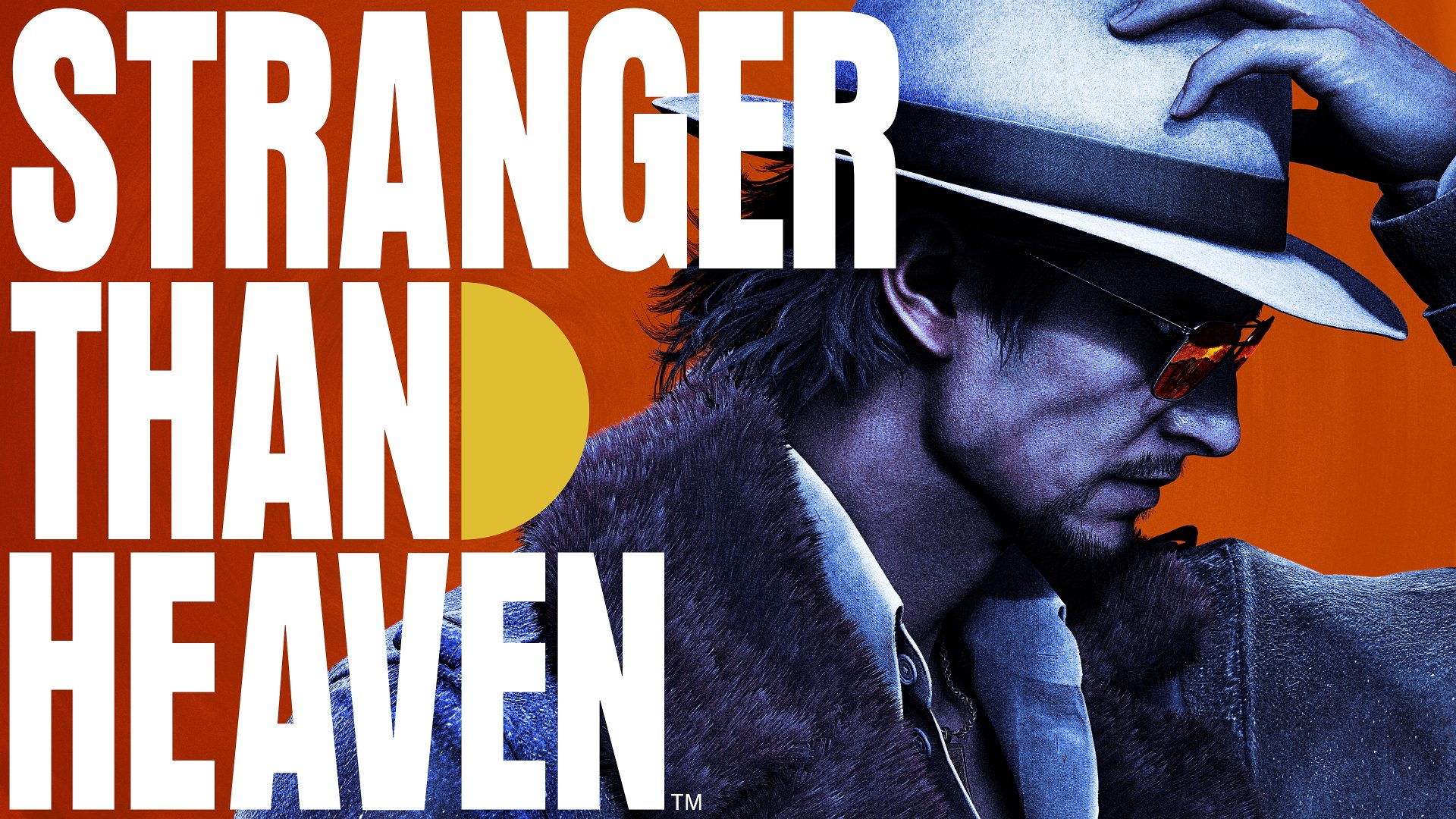
Stranger Than Heaven is not your typical SEGA game. It is, instead, a 50-year saga of the yakuza—spanning five distinct eras in Japan—that now finds itself unexpectedly intertwined with Snoop Dogg. The narrative leaps from one generation to another, each era offering its own flavor of tension and intrigue.
The game’s premise is simple yet bold: a single story that evolves across decades, blending the raw energy of 1970s Japan with the gritty realism of modern-day life. This isn’t just about visuals or mechanics; it’s about how SEGA has taken a risk by merging two worlds—hip-hop culture and yakuza lore—that don’t immediately seem to belong together.
What makes this game stand out is its platform compatibility. Unlike many titles that limit themselves to a single ecosystem, Stranger Than Heaven is designed to run seamlessly on both PlayStation 5 and Xbox Series X|S. This dual-platform approach ensures that players aren’t boxed into one system or another, which could be a strategic move for broader market penetration.
The game’s development has been shrouded in secrecy, but what’s confirmed is its ambition. It’s not just about action; it’s about storytelling on a scale few games attempt. The inclusion of Snoop Dogg adds a layer of modern relevance that contrasts sharply with the traditional yakuza themes. Whether this fusion will resonate with players remains to be seen, but SEGA is clearly betting on its ability to bridge genres.
There are still unknowns, of course. How deeply will the game delve into each era? Will the Snoop Dogg element overshadow the yakuza narrative or complement it? These questions linger as players and critics await more details. For now, what’s clear is that SEGA is pushing boundaries, and whether this gamble pays off could set a new standard for open-world experiences.
For creators, the implications are significant. If Stranger Than Heaven succeeds, it could redefine how games approach platform compatibility and narrative depth. The operational cost of developing such a game is substantial, but if the execution matches the vision, the rewards could be transformative. For players, this means a chance to experience something entirely different—something that doesn’t fit neatly into any existing genre.
Right now, Stranger Than Heaven exists as a promise—a blend of past and present, tradition and innovation. Whether it delivers on that promise remains uncertain, but one thing is clear: SEGA is not playing it safe. The stakes are high, the risks are greater, but if this game finds its footing, it could leave an indelible mark on the industry.