A builder in a quiet workshop, soldering iron in hand, pauses mid-task. The screen glows with a motherboard schematic, but the components around him tell a different story: prices are climbing, demand is softening, and the future of PC assembly is becoming uncertain.
Why Motherboards Are Becoming the Weak Link
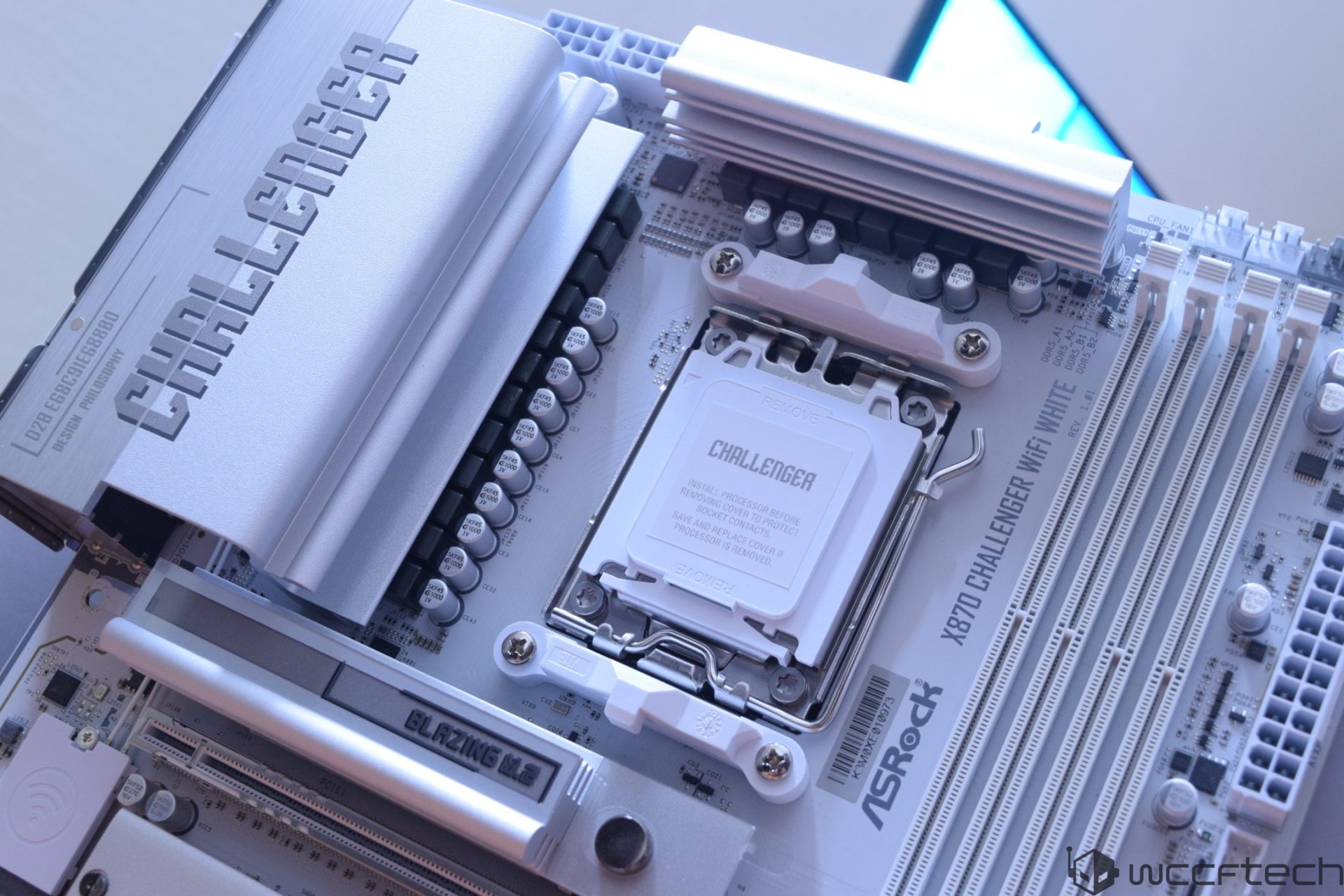
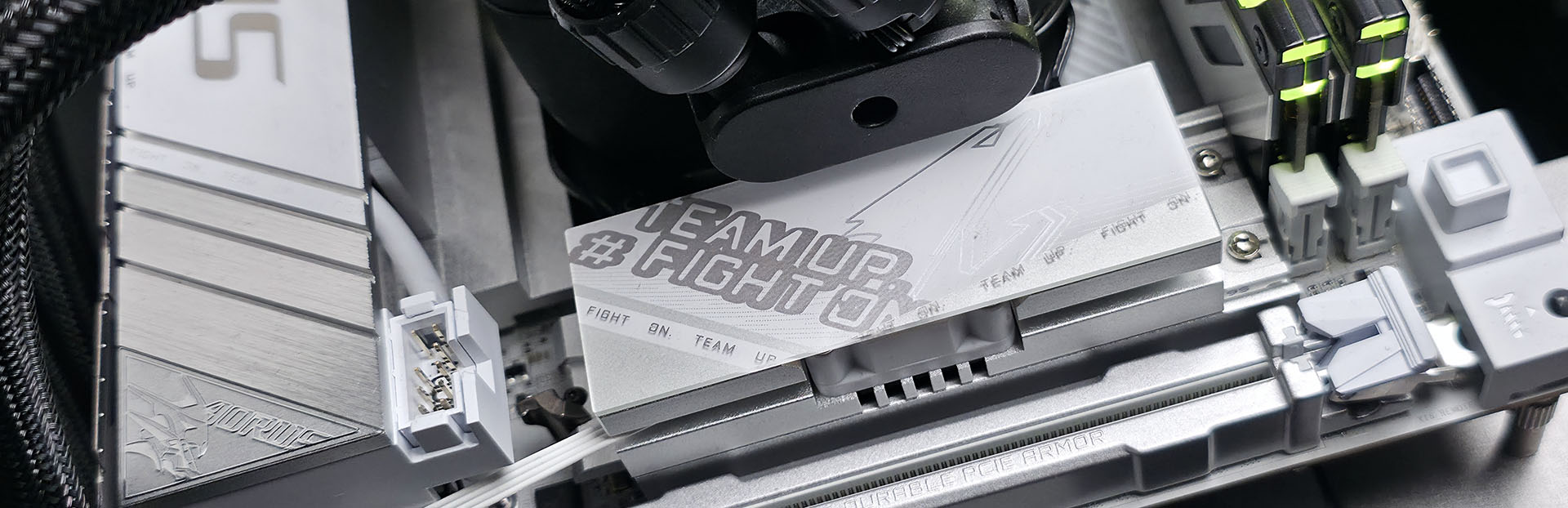
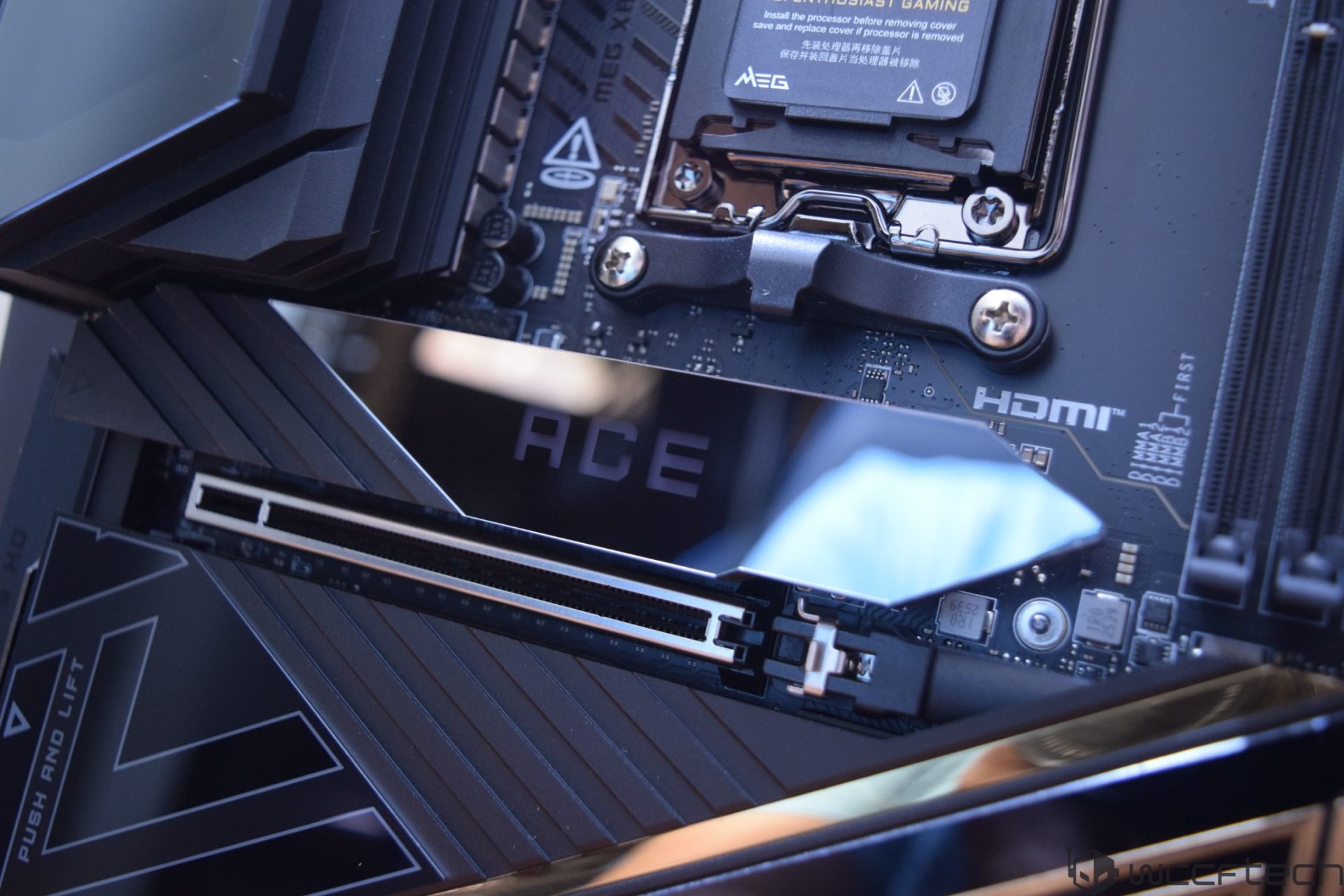
The motherboard has long been the backbone of any custom PC, but its role is evolving. Historically, it was the last piece to be chosen, often dictated by compatibility with CPUs and GPUs. Now, its future hinges on broader trends in AI integration, efficiency demands, and platform lock-in.
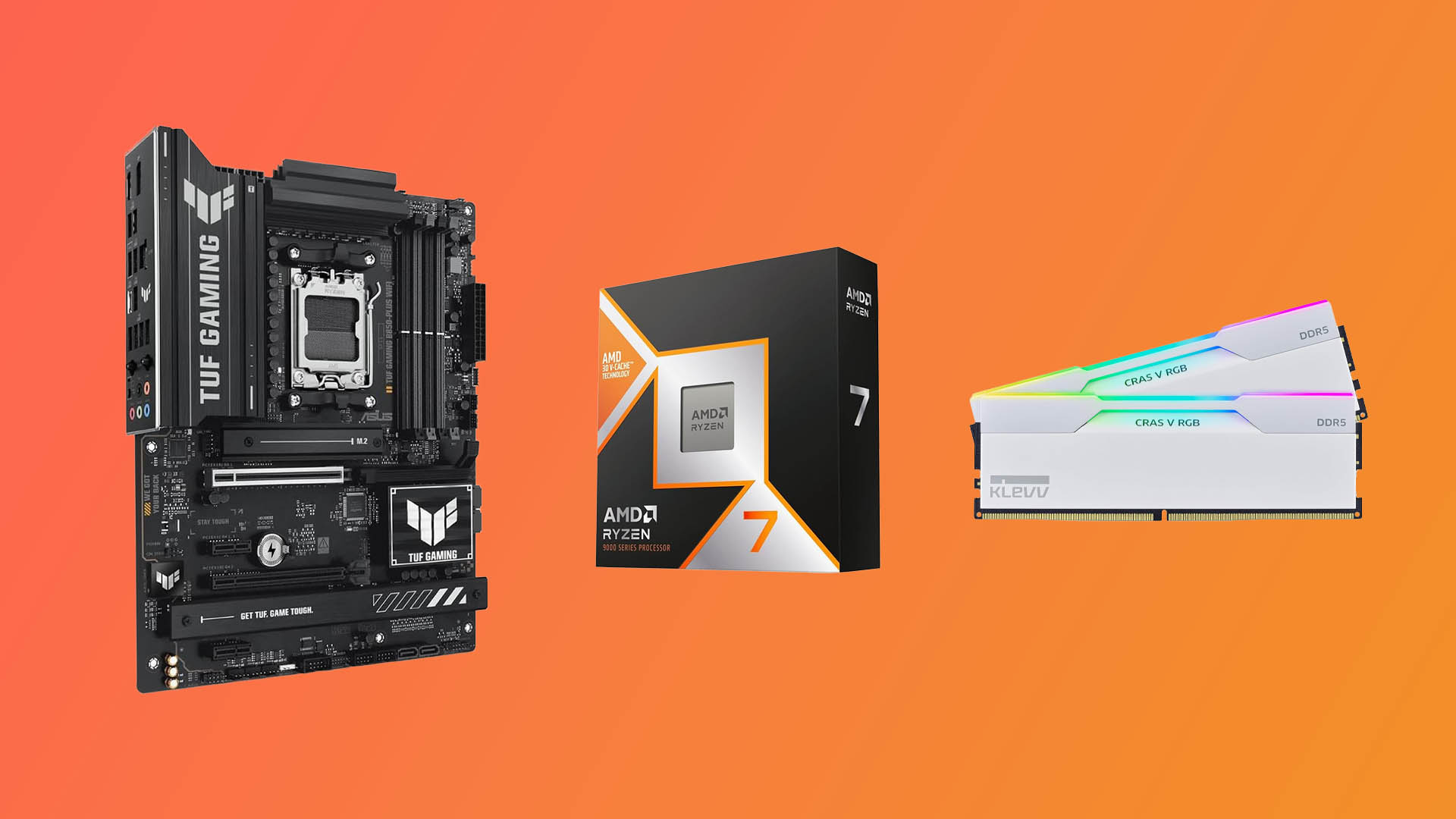
Current generation motherboards—whether based on Intel’s 13th Gen Raptor Lake or AMD’s Ryzen 7000 series—are built for performance, but their market lifespan is shrinking. The shift toward more integrated, efficient designs could render today’s high-end boards obsolete faster than expected. For builders who rely on discrete components and manual assembly, this means a tighter margin between innovation and obsolescence.
- Rising component costs: RAM prices are up, storage capacities are expanding but yields are tightening, and power delivery requirements are becoming stricter.
- Soft demand for high-end builds: The gaming PC market is maturing, with fewer buyers chasing the latest hardware and more opting for balanced, mid-range systems.
- Platform lock-in risks: Manufacturers are increasingly bundling software, drivers, or even AI-optimized firmware into motherboards, making upgrades harder without committing to a full ecosystem.
A Roadmap Under Pressure
The decline in shipments isn’t just about fewer boards being sold—it’s about the pace of change. Motherboard designs today are optimized for raw performance, but tomorrow’s builds may prioritize efficiency, modularity, and AI acceleration. This shift could leave current stockpiles of high-end motherboards stranded.
For example, a builder stocking up on LGA 1700 or AM5-based boards today might find themselves with less relevant inventory by mid-2026 if the market pivots toward more integrated or AI-focused platforms. The risk isn’t just financial; it’s strategic. Those who don’t anticipate this shift could face longer product lifecycles, reduced compatibility, and a harder time sourcing parts that match future demands.
What to watch: Pricing stability in RAM and storage, the timing of next-gen CPU launches (Intel’s 14th Gen or AMD’s Zen 5), and whether AI integration becomes a standard feature rather than a niche upgrade.