The Alienware Aurora 16X arrives as a high-end workstation designed to bridge the gap between gaming and professional content creation. Its core specifications—an Nvidia RTX 5060 GPU with 16GB GDDR6, paired with an Intel Core i7-14700H processor—promise robust performance for tasks like 3D rendering, video editing, and game development. However, the machine’s true value hinges on two critical factors: its ability to handle demanding workloads smoothly and the practical challenges of securing one amidst a constrained market.
On paper, the Aurora 16X is well-equipped for modern creative workflows. The inclusion of 32GB of DDR5 RAM (upgradable to 64GB) addresses memory-intensive applications, such as Adobe Premiere Pro or Blender, where large datasets can strain single-application performance. While the RTX 5060’s 16GB GDDR6 VRAM is a step down from its high-end counterparts, it still delivers respectable real-time rendering capabilities, especially when leveraging Nvidia’s DLSS 3 technology. This feature, more relevant to creators than gamers, can significantly improve frame rates in complex scenes without sacrificing quality.

- Graphics: Nvidia RTX 5060 (16GB GDDR6, 128-bit bus)
- CPU: Intel Core i7-14700H (up to 5.3 GHz)
- Memory: 32GB DDR5 (upgradable to 64GB)
- Storage: 1TB PCIe 4.0 SSD
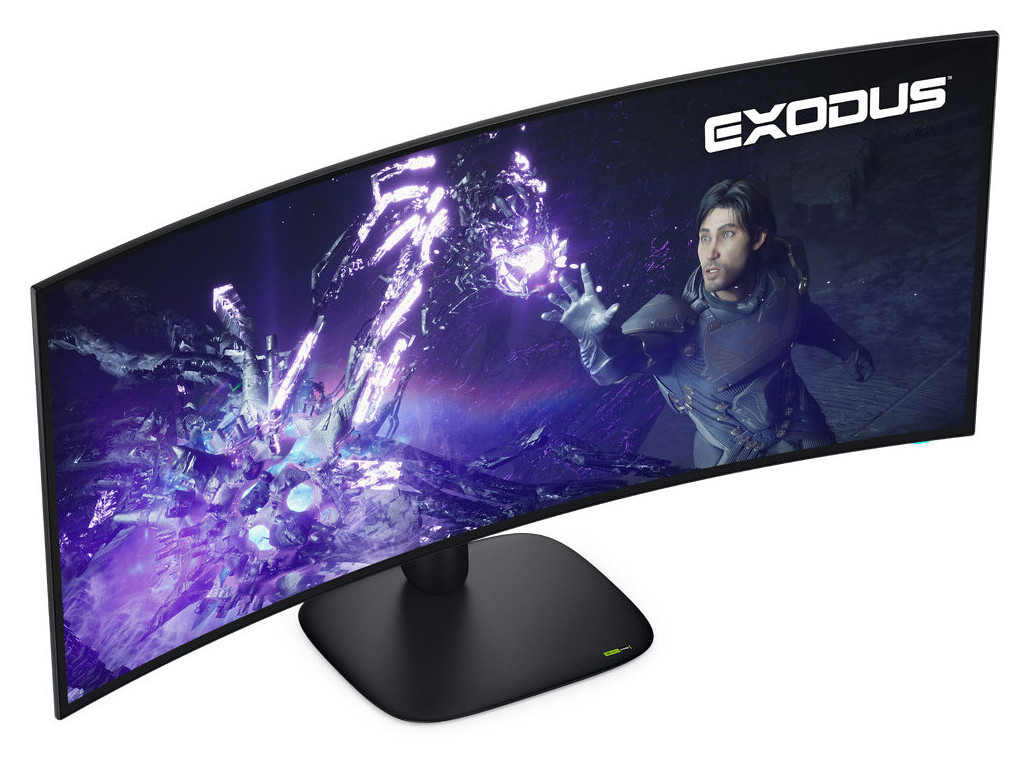
- Display: 15.6-inch IPS, 1920×1200 resolution, 165Hz refresh rate
- Ports: Thunderbolt 4, USB-C with Power Delivery, HDMI 2.1, Ethernet
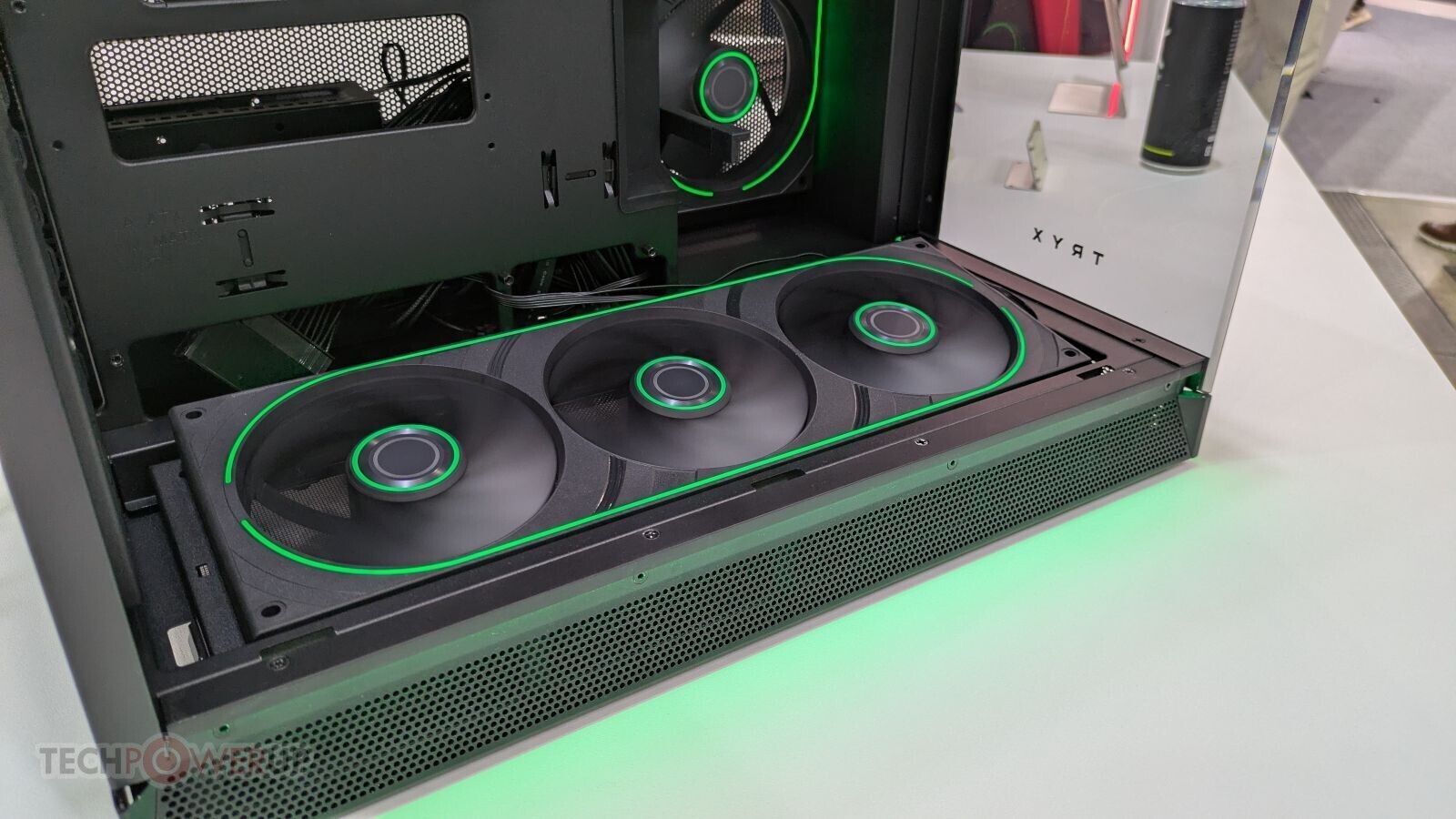
- Cooling: Dual-fan system with RGB backlighting
- Price: $2,999 (before discounts)
The Aurora 16X’s storage configuration, featuring a 1TB PCIe 4.0 SSD, is generous for most creative projects but may not suffice for users with extensive media libraries. While the SSD provides fast load times and ample space for operating systems and primary applications, additional external storage will likely be necessary for large-scale productions. The machine’s cooling system, though robust with dual fans and RGB lighting, follows Alienware’s signature aesthetic without introducing any groundbreaking thermal innovations.
Despite its strengths, the Aurora 16X faces significant challenges that could limit its immediate appeal. Supply constraints remain a major hurdle, with waitlists for similar configurations stretching into weeks or even months. Even after applying discounts, the effective price point remains steep, making it less accessible than some alternatives. For creators who prioritize performance over cost, the Aurora 16X offers a compelling package, but those in need of immediate availability may find themselves waiting indefinitely.
The bottom line is clear: the Alienware Aurora 16X delivers strong performance for its intended use cases, but its practical value is contingent on supply. For those who can secure one, it represents a capable workstation with modern features and robust capabilities. However, the uncertainty around availability and the premium pricing may leave others seeking more stable or cost-effective options in the current market.