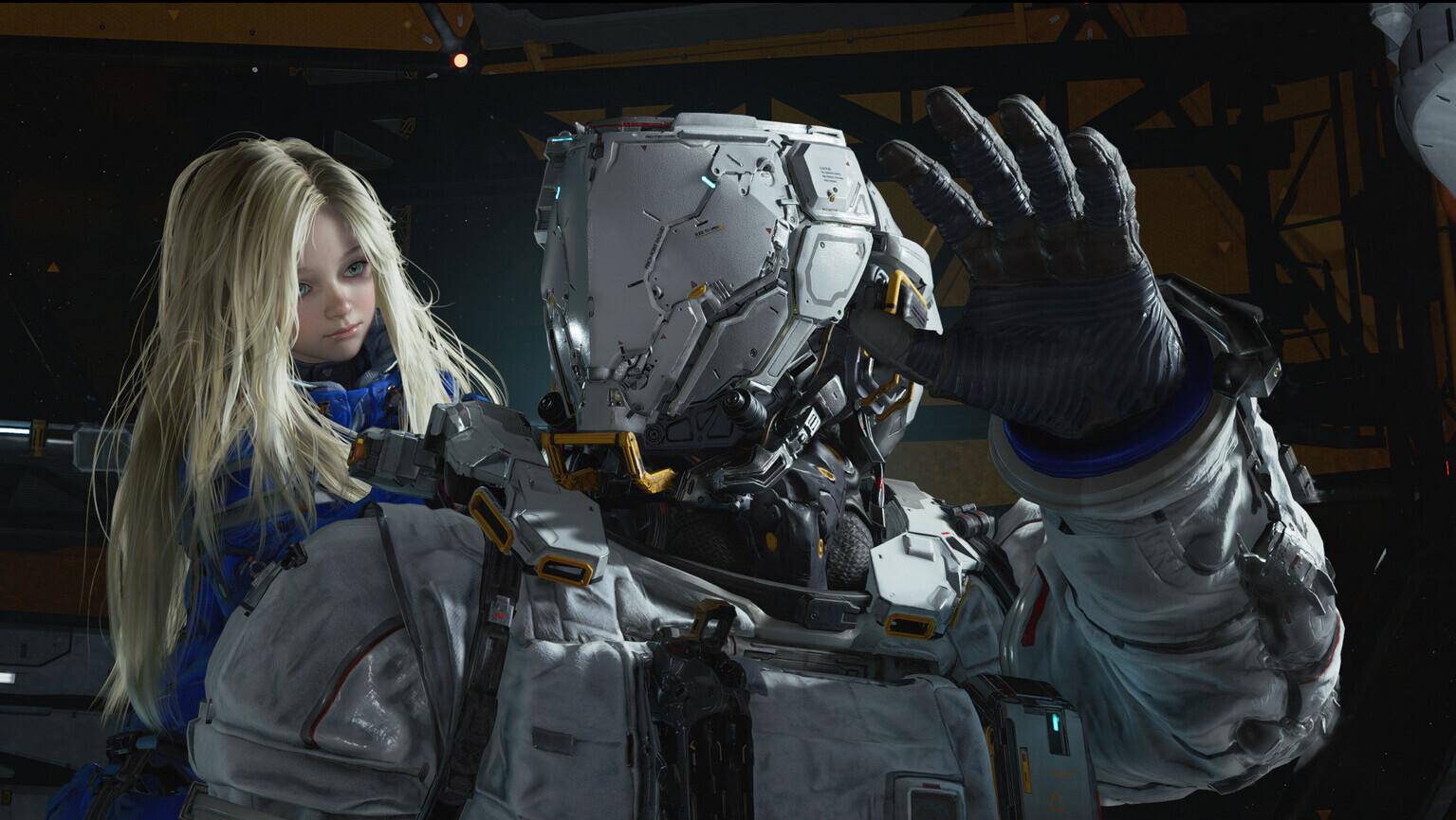
Pragmata arrived on Steam and next-gen consoles with a surge of hype, but its reception tells a story of sharp divides. While it dominates revenue charts and earns near-universal praise, the number of players logging in at any given time remains unusually low—even for a single-player experience.
That’s the upside: glowing reviews, strong sales, and technical polish that stands out even on weaker systems. The catch is that those metrics don’t always translate to sustained player engagement. On launch day, Pragmata peaked just over 55,000 concurrent players—a figure that pales in comparison to recent multiplayer titles, but also doesn’t align with expectations for a game built around both shooting and hacking mechanics.
Performance benchmarks across more than 30 GPUs show why reviewers are so positive. The game runs smoothly on Linux and lower-end hardware, thanks in part to its custom RE Engine, which appears to minimize bugs—a rare feat in today’s complex titles. Yet the discrepancy between sales figures and active player counts suggests something else is at play: perhaps a slower-paced experience, or one that doesn’t demand constant online interaction.
On Steam, Pragmata has already secured an ‘Overwhelmingly Positive’ rating with 97% positive reviews. Its Metacritic score of 86 places it in the top 11 for 2026 releases, but the game’s long-term staying power remains uncertain. Recent titles like Marathon have shown significantly higher day-one player counts, leaving Pragmata as a case study in how sales and critical acclaim don’t always map neatly to real-world usage.
For now, the focus is on whether those high sales will translate into lasting interest—or if Pragmata becomes another example of a technically impressive game that doesn’t fully capture its audience’s attention over time.