Sony’s unexpected $100 price increase for the PS5 has sent ripples through the gaming industry, prompting competitors to reconsider their own pricing strategies. While Microsoft and Nintendo have not yet announced changes, the move has ignited a broader conversation about affordability that could redefine how consumers approach console purchases.
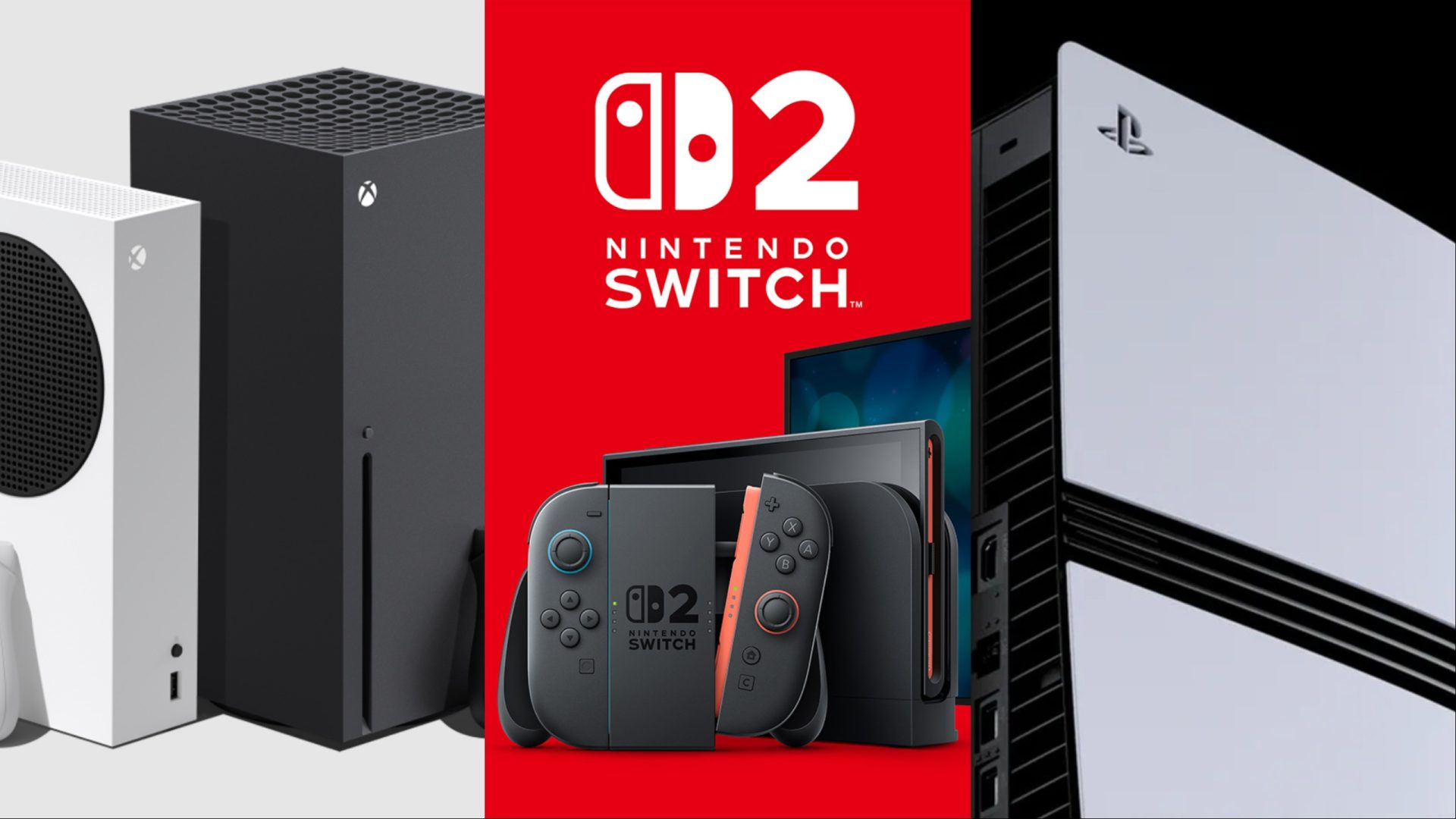
For Microsoft, which already offers two distinct Xbox models—Series X at $499 and Series S at $299—the decision to adjust prices would require careful balancing. The Series X, known for its high-end performance, and the Series S, designed with budget-conscious gamers in mind, represent a spectrum that Microsoft has successfully maintained. Any price increase could test whether Xbox’s strengths—its extensive game library, backward compatibility, and Game Pass subscription model—remain compelling enough to justify higher costs.
Nintendo faces a different challenge altogether. The Switch, with its hybrid design and family-friendly appeal, has carved out a unique space in the market that rivals have yet to fully replicate. If Nintendo introduces an updated or more powerful model, it could raise prices without alienating its core audience, provided the innovation is substantial enough to warrant the cost. However, there’s a risk that a higher price tag could make the Switch less attractive compared to competitors, especially if those competitors don’t follow suit.
A Market in Transition
This shift could signal a fundamental change in how consoles are priced. Historically, console prices have remained stable from launch, with occasional discounts or bundled offers driving sales. But the PS5’s price increase suggests that manufacturers may start treating consoles more like other tech products—prices fluctuating based on market demand, production costs, and economic conditions.
For consumers, this could mean a less predictable purchasing experience. Gamers accustomed to waiting for post-launch discounts or bundled deals might now face higher upfront costs, particularly if price increases become more common. Those who bought consoles during their initial launch periods—like the PS5 in 2020—could also be surprised by sticker shock when considering upgrades, especially if newer models enter the market at premium prices.
The Impact on Consumer Behavior
The timing of these changes is particularly critical. With inflation affecting discretionary spending and supply chain challenges still lingering, consumers are already tightening their belts. A price increase on a console could push some buyers toward used markets or delay purchases, while others might turn to PC gaming as an alternative. For manufacturers, the challenge will be to communicate the value of higher-priced consoles in a way that doesn’t alienate their fanbases.
One potential bright spot is the growing emphasis on subscriptions and services. Microsoft’s Game Pass, for example, offers a compelling alternative to traditional console ownership by providing access to a vast library of games for a monthly fee. If other manufacturers expand similar models—or introduce their own—it could soften the blow of higher hardware costs by shifting focus toward ongoing value rather than upfront expenses.
What Lies Ahead?
The industry is now watching Microsoft and Nintendo closely. Whether they choose to raise prices, maintain the status quo, or innovate in other ways will determine how this trend plays out. If they follow Sony’s lead, it could set a precedent where console pricing becomes more dynamic, reflecting real-time market conditions rather than fixed launch strategies.
For now, gamers are left with one certainty: the landscape is changing. The days of predictable console pricing may be behind us, and the industry will need to adapt—whether through better value propositions, smarter pricing models, or a renewed focus on what truly sets each platform apart. One thing is clear, though: the conversation around affordability isn’t going away anytime soon.