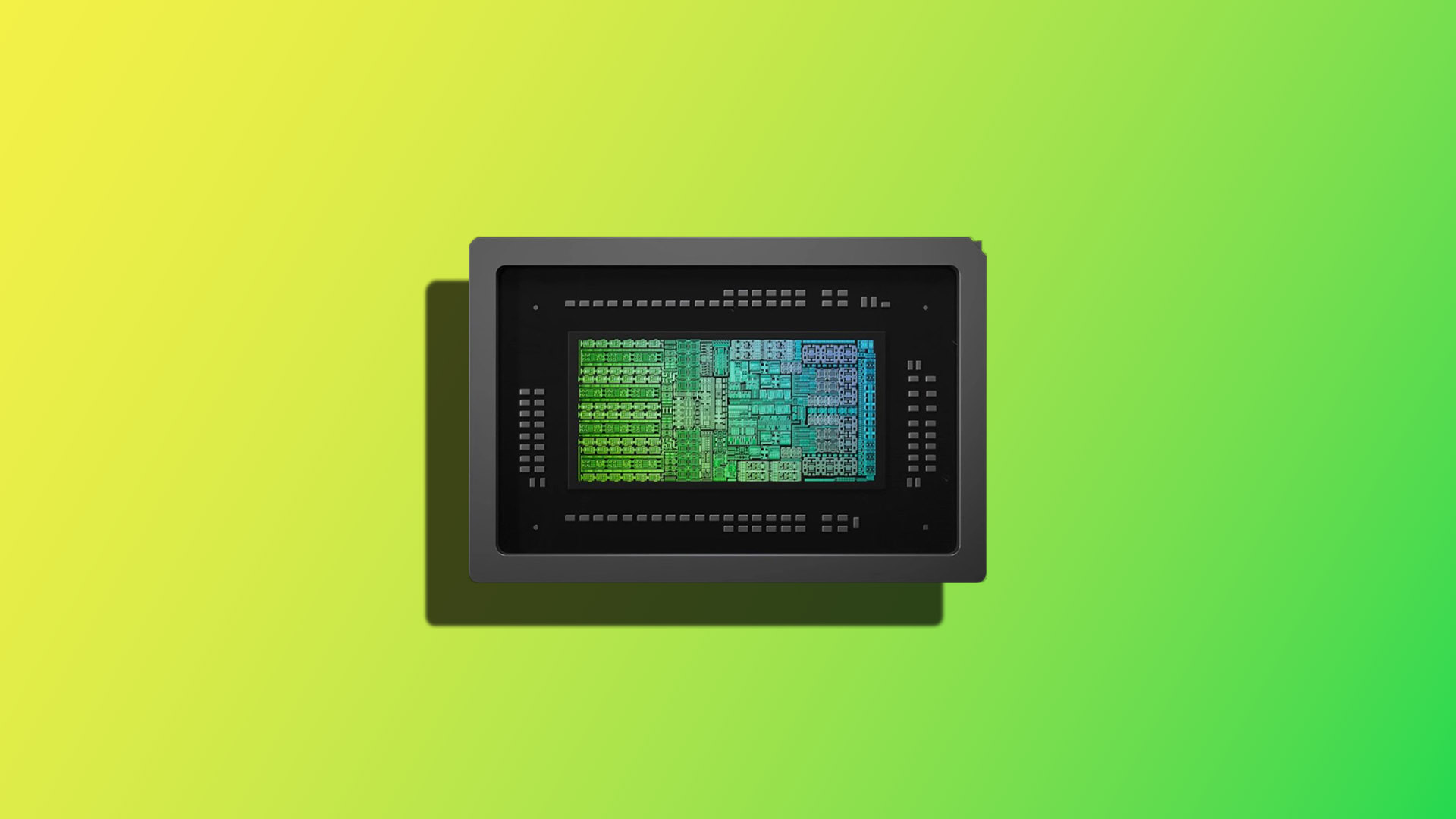
An 8-nanometer AI accelerator chip is being developed by a company best known for its role in the global spice trade. If it delivers on promises of 20 TOPS (trillion operations per second) at under 5 watts, it could become a benchmark for edge AI—yet no public benchmarks or release timeline have been confirmed.
The chip, codenamed Cinnamon-1, is part of a broader push into AI hardware by a firm that has quietly amassed patents in neural network acceleration. Its architecture blends sparse tensor processing with memory-efficient designs, aiming to outperform dedicated NPUs while consuming far less power than GPUs.
But whether this translates to real-world gains for PC builders or data center operators is still an open question. The lack of transparent performance metrics makes it difficult to assess its value against established competitors like NVIDIA’s Tensor Cores or Qualcomm’s Hexagon DSPs.
Why timing matters
The chip’s potential impact hinges on two factors: when it will be available and how it stacks up in benchmarks. If released before the next generation of NPUs, it could set a new standard for efficiency. However, without concrete data, builders face a gamble—should they wait for confirmed performance or jump early based on spec sheets alone?
Architecture deep dive
- 8nm process: Targets power efficiency with advanced node scaling.
- 20 TOPS: Claimed through optimized sparse matrix math, but no real-world workload results.
- Memory footprint: Designed to minimize off-chip bandwidth, critical for edge devices.
The sparse tensor focus suggests it’s aimed at tasks like image classification or anomaly detection, where data is often unevenly distributed. This could make it more appealing than general-purpose AI chips in constrained environments—if the math holds up under load.
What’s still unknown
No public benchmarks mean performance claims remain untested. While the 5-watt TDP is impressive on paper, sustained throughput at that power level hasn’t been demonstrated. Builders will need to weigh speculation against proven alternatives—especially if the chip doesn’t deliver where it matters most: real-time inference.
Upgrade decision guide
For now, the Cinnamon-1 remains a theoretical outlier in an otherwise crowded AI hardware landscape. Its success depends on more than specs—it needs to prove itself in the field. Without that, it risks becoming another ‘what if’ in the race for AI efficiency.