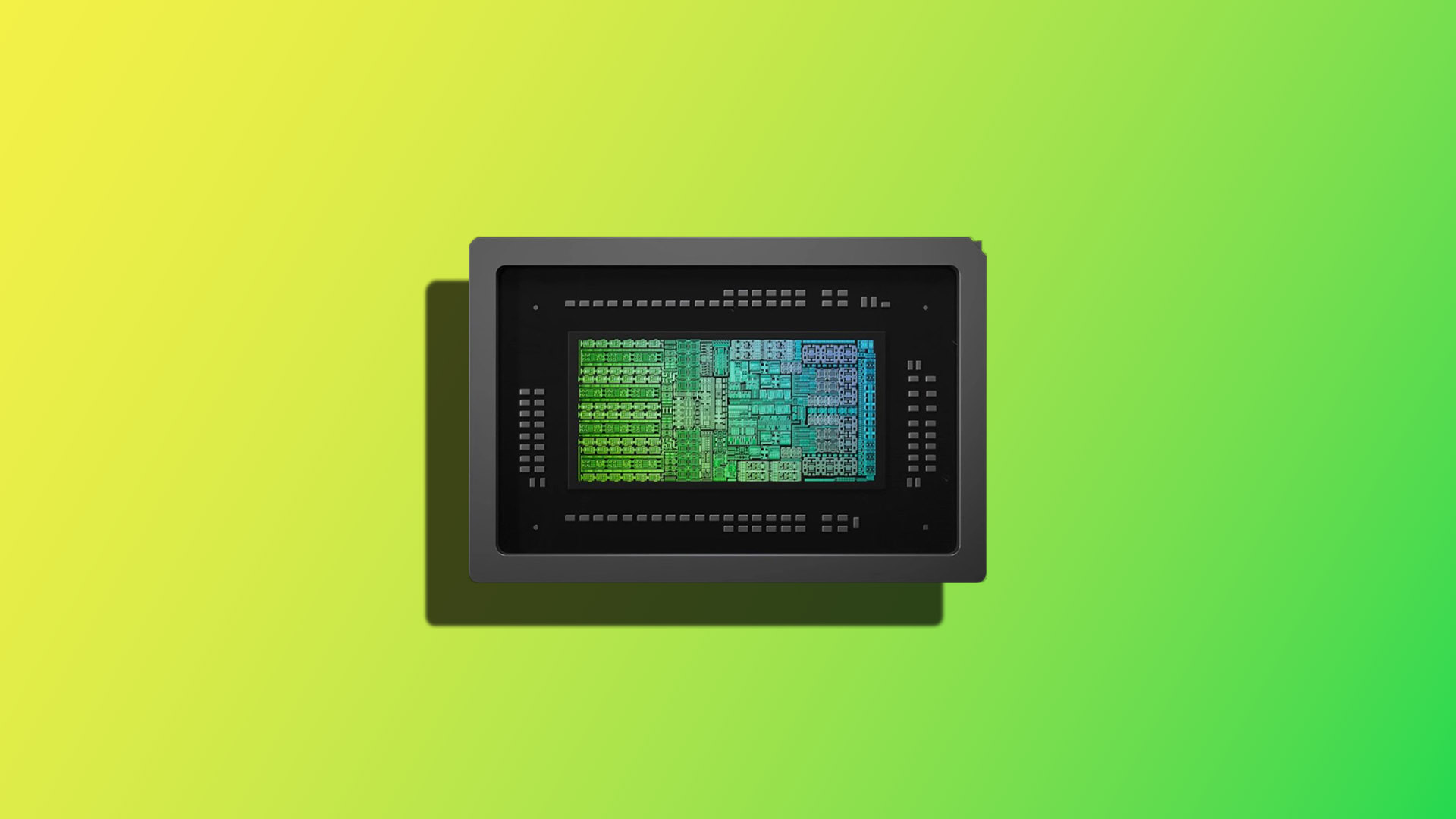
The Snapdragon X2 Elite Extreme is proving itself more than capable of handling demanding workloads without overheating, especially when paired with the ASUS Zenbook A16. While Apple’s MacBook Pro remains a benchmark for performance, its thermal management struggles to match the stability and efficiency seen in this new Windows-based system.
Thermal throttling has long been a challenge for high-performance chips, but the Zenbook A16’s design appears to mitigate that risk. The combination of a robust cooling architecture and the X2 Elite Extreme’s power efficiency allows for sustained performance even during extended AI and data processing tasks—something Apple’s silicon has yet to replicate at this scale.
Key Specs
- Chip: Snapdragon X2 Elite Extreme (16-core CPU, Adreno 740 GPU)
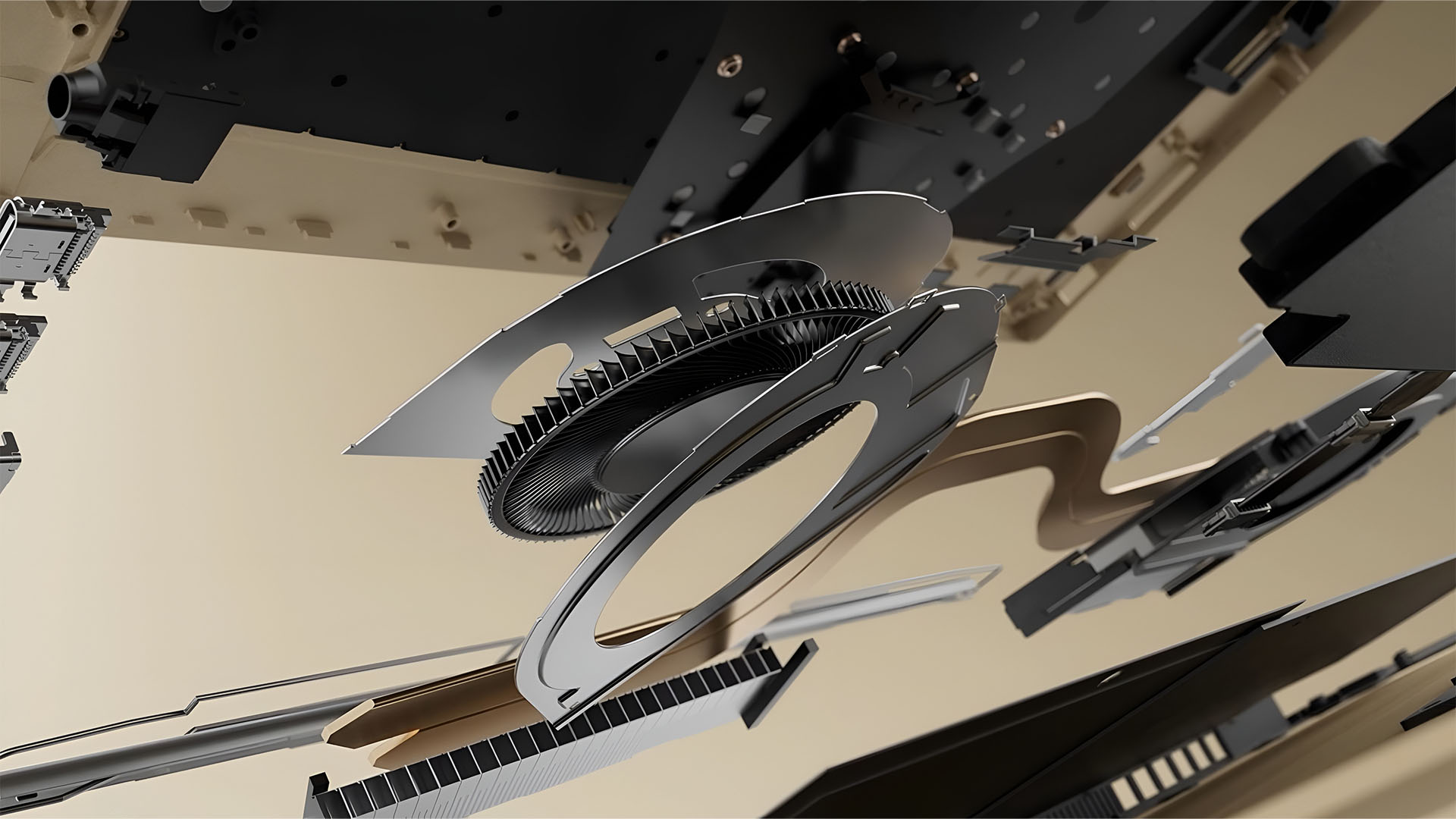
- Cooling: Multi-stage vapor chamber with active heat pipe management
- RAM: 32GB LPDDR5X (up to 8933MHz bandwidth)
- Storage: 1TB NVMe SSD (PCIe 4.0, 64GB cache)
- Display: 16-inch OLED (2880x1800, 120Hz, Dolby Vision)
- Connectivity: Wi-Fi 7, Bluetooth 5.3, Thunderbolt 4
The Zenbook A16 doesn’t just rely on raw power—it optimizes cooling to maintain performance over time. Unlike Apple’s MacBook Pro, which often throttles under sustained loads, this system appears to balance thermal output more effectively, making it a stronger candidate for enterprise and AI workloads where stability is critical.
Market Impact
For businesses and developers working with heavy data or AI tasks, the Zenbook A16 represents a shift in how Windows-based systems handle thermal stress. If this performance translates to other devices, it could challenge Apple’s dominance in premium laptops by offering comparable power without the same level of throttling. However, real-world testing will be needed to confirm whether these cooling advantages hold up under different workloads.