For decades, email has been a battleground between convenience and privacy. Proton Mail’s latest move attempts to bridge this gap by allowing users to send and receive Gmail—without sacrificing end-to-end encryption—but the tradeoff reshapes how it can be used.
The feature, built into Proton Mail’s web interface, lets users compose messages in their Proton Mail account and send them directly to Gmail recipients. The twist? The email is encrypted at the sender’s side with Proton Mail’s keys before transit. This means Gmail servers never see the plaintext content, but it also means replies from Gmail remain unencrypted.
This isn’t a seamless integration; it’s a deliberate choice. Proton Mail can now reach users locked into Google’s ecosystem without requiring them to abandon it entirely. But the catch is clear: while outgoing messages stay encrypted, incoming ones from Gmail do not. That limits its appeal for those who treat encryption as non-negotiable.
The move reflects a broader tension in email privacy today. On one hand, services like Proton Mail have built reputations on strict end-to-end encryption, where even the provider can’t access content. On the other, real-world communication often demands interoperability with mainstream platforms that prioritize accessibility over privacy.
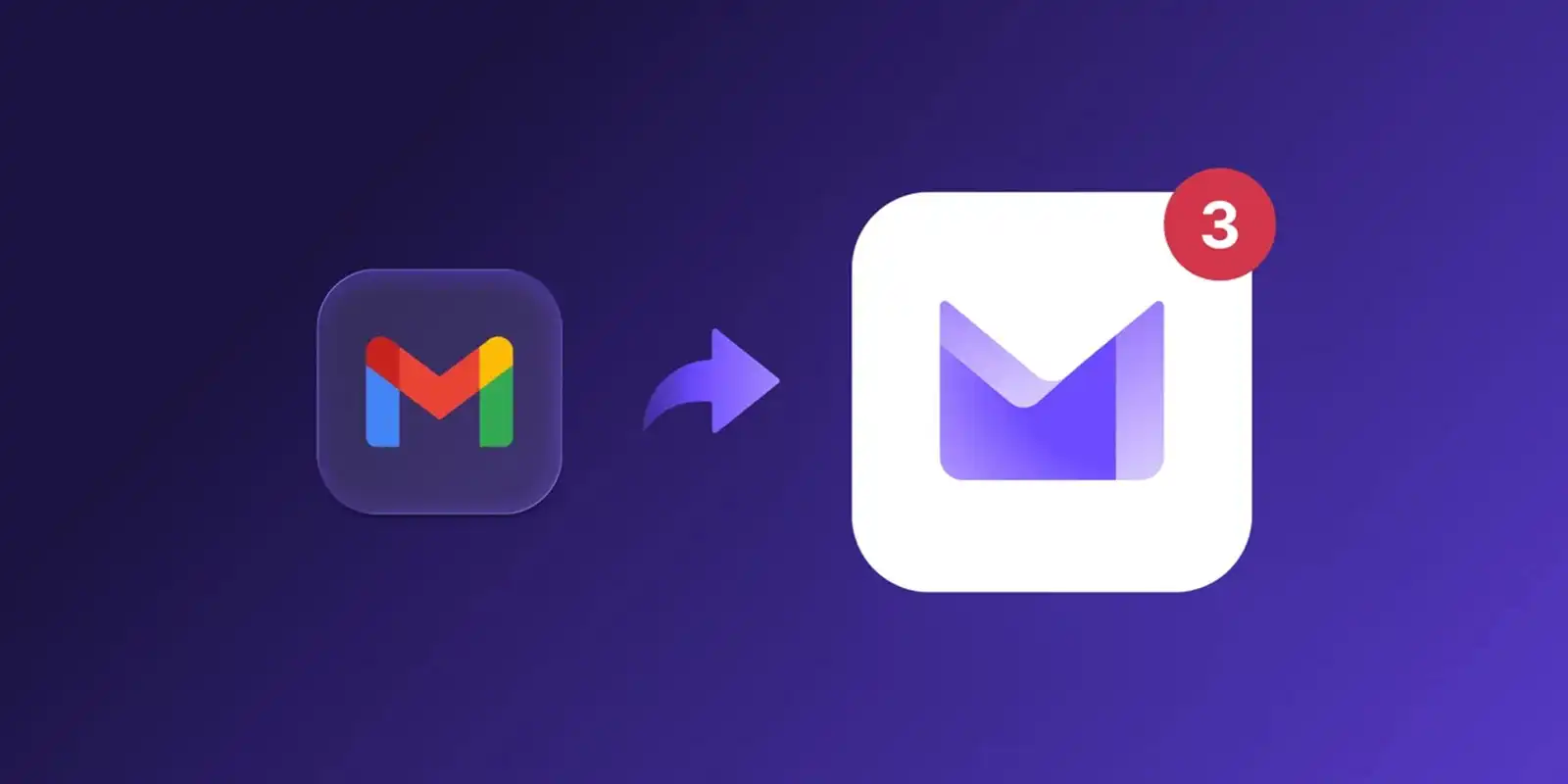
For users who need to communicate with Gmail addresses but want their outgoing messages protected, Proton Mail’s solution offers a compromise. It doesn’t solve the core issue of unencrypted replies, but it does provide a way to send secure emails without forcing recipients to switch platforms. Whether that’s enough for privacy-focused users remains an open question.
The feature also raises practical questions about usability. Encrypting messages at the sender’s end adds complexity—users must ensure their Proton Mail account is properly set up, and they lose the ability to use Gmail’s web interface for replies. This could deter casual users who expect email to work like it always has.
Ultimately, this isn’t a breakthrough in privacy engineering; it’s a strategic adjustment. Proton Mail acknowledges that not everyone can or will abandon mainstream email services. By offering a limited bridge, it positions itself as a more flexible tool—one that can coexist with Gmail while still upholding its core principle of encryption for outgoing messages.
The most significant change is this: Proton Mail now provides a way to send encrypted emails to Gmail users without requiring them to leave their preferred platform. But the tradeoff—losing encryption on replies—means it’s not a complete solution. It’s a step toward broader adoption, but one that leaves room for doubt about its long-term viability in a world where privacy and convenience are increasingly at odds.