Game development is a high-stakes endeavor, with mid-sized studios facing mounting pressure to balance artistic vision with financial viability. Traditional revenue streams—game sales, microtransactions, and in-game purchases—have grown increasingly unpredictable, leaving studios vulnerable to market fluctuations. One industry figure is proposing that product placement could serve as a stabilizing force, providing a steady income stream while maintaining the authenticity players expect.
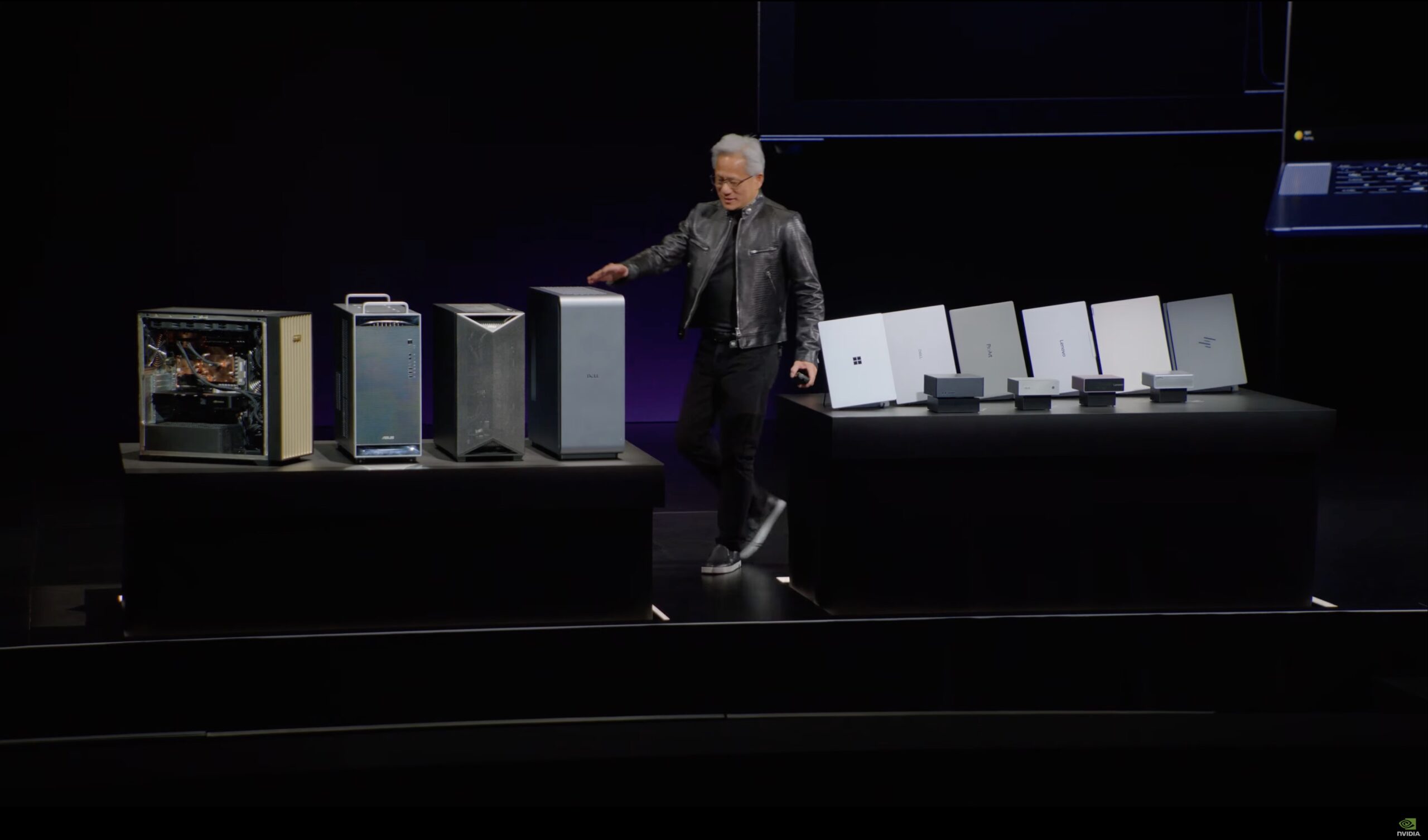
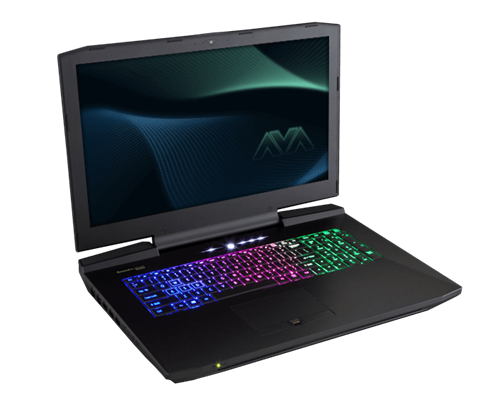
The idea is not about disruptive or forced integrations but rather organic placements that enhance immersion rather than detract from it. For instance, a premium laptop brand appearing on a desk in an RPG could serve both storytelling and commercial purposes seamlessly. This approach would require close collaboration between studios and brands to ensure coherence, but the potential for mutual benefit is substantial.
Industry Context
The gaming industry is at a crossroads, with rising development costs outpacing revenue growth in many segments. Mid-sized studios, in particular, struggle to compete with AAA titles or indie darlings that rely on viral appeal. Product placement could offer a middle ground, allowing studios to offset expenses without resorting to aggressive monetization tactics that often alienate players.
Key Considerations
- Revenue Stability: Studios could diversify income sources beyond player spending, reducing reliance on microtransactions or expansion packs.
- Player Experience: When executed thoughtfully, product placement can enhance realism without disrupting immersion. However, over-saturation risks undermining authenticity.
- Creative Flexibility: Brands and studios would need to collaborate closely to ensure placements feel natural, avoiding the pitfalls of forced or anachronistic integrations.
Implications for the Industry
If adopted widely, product placement could reshape studio economics, shifting focus from short-term monetization to long-term sustainability. Studios might prioritize partnerships with brands that align with their creative vision, fostering more authentic collaborations. For players, this could mean encountering a broader range of products in games—though the line between authenticity and commercialization would need careful navigation.
Looking Ahead
The concept is not entirely new; early experiments in racing games or MMOs have shown promise but also risks. The challenge for studios will be scaling this model without compromising their creative identity. If successful, product placement could become a defining trend, offering studios a viable path to financial stability while enriching game worlds with real-world authenticity.