The U.S. Commerce Department’s sudden threat to impose a 100% tariff on foreign-made DRAM has sent shockwaves through the tech industry, raising fears of another round of price surges that could strain budgets for PC builders, gamers, and AI enthusiasts alike.
DRAM prices have already climbed steeply since mid-2025, with DDR4 and DDR5 costs quadrupling in just a few months. If the proposed tariff materializes, it would effectively double those prices overnight—turning what was once a $400 investment for high-end DDR5 memory into an $800 one, a staggering jump that could reshape how consumers approach upgrades or new builds.
The timing is particularly brutal. The global tech market is already grappling with skyrocketing costs for DRAM, SSDs, and even traditional hard drives, all driven by insatiable demand from AI hyperscalers gobbling up components for their data centers. Adding a 100% tariff on top of that would not only make PC building a financial hurdle but also push costs higher across the board—from smartphones to automotive electronics.
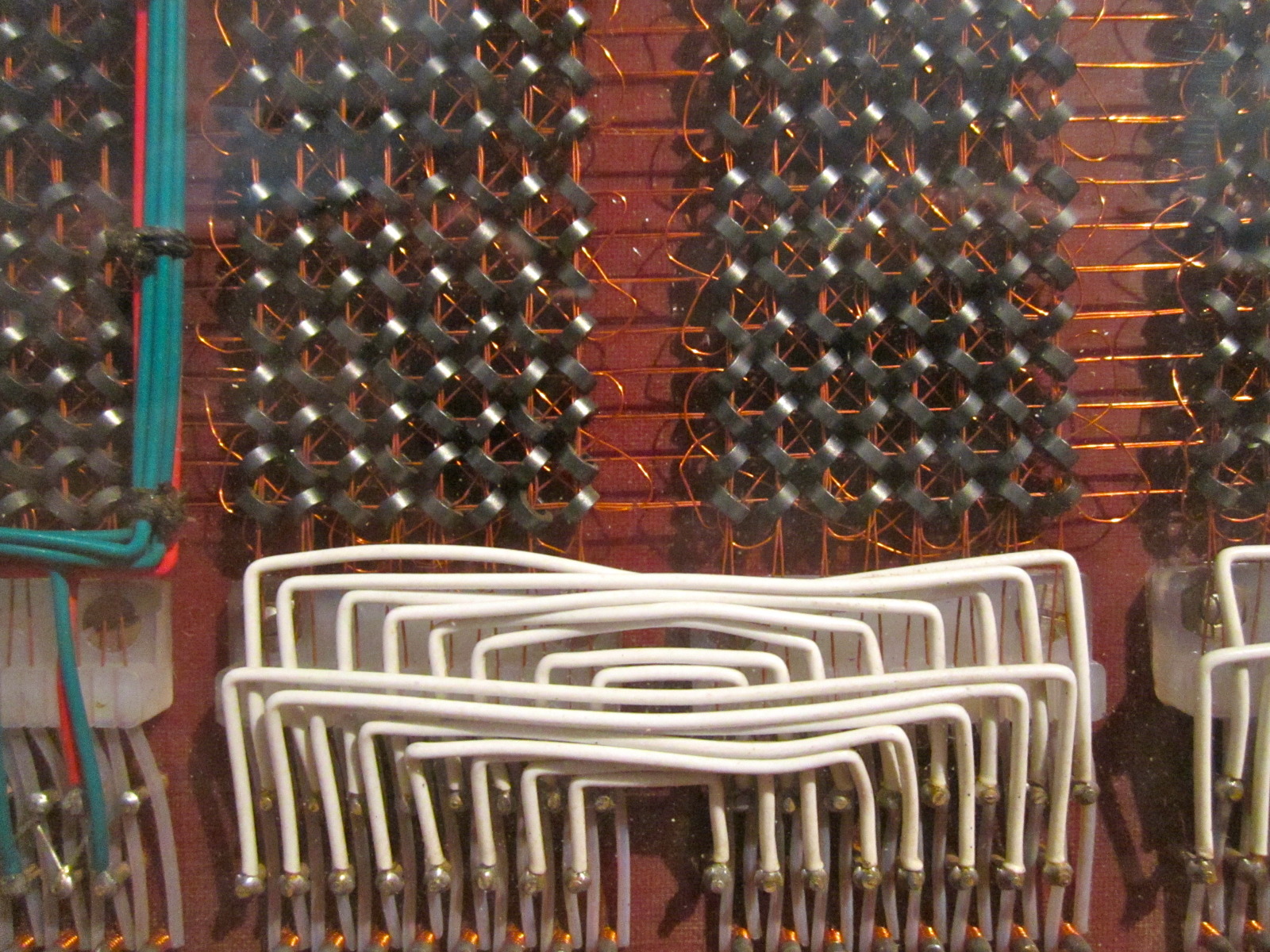
While the stated goal is to incentivize domestic chip production, the immediate impact could be devastating for consumers and small businesses. The U.S. has already seen mixed signals on tariffs, with recent adjustments aimed at balancing trade relations while pushing for more semiconductor manufacturing within its borders. Yet, the latest threat—coming from Commerce Secretary Howard Lutnick during a groundbreaking ceremony for Micron’s $100 billion New York fab—adds another layer of uncertainty to an already volatile market.
The implications extend beyond desktops and laptops. DRAM is embedded in nearly every electronic device, from smartphones to electric vehicles, meaning the ripple effects could be felt across industries. For now, the industry watches closely, bracing for what could either become a turning point in domestic manufacturing or another financial storm.
For PC enthusiasts and system builders, the question isn’t just about affordability—it’s about whether this latest policy shift will stabilize supply chains or further destabilize them. With no clear resolution yet, the tech world remains on edge, waiting to see if industrial policy will ultimately benefit innovation—or bury it under a mountain of tariffs.