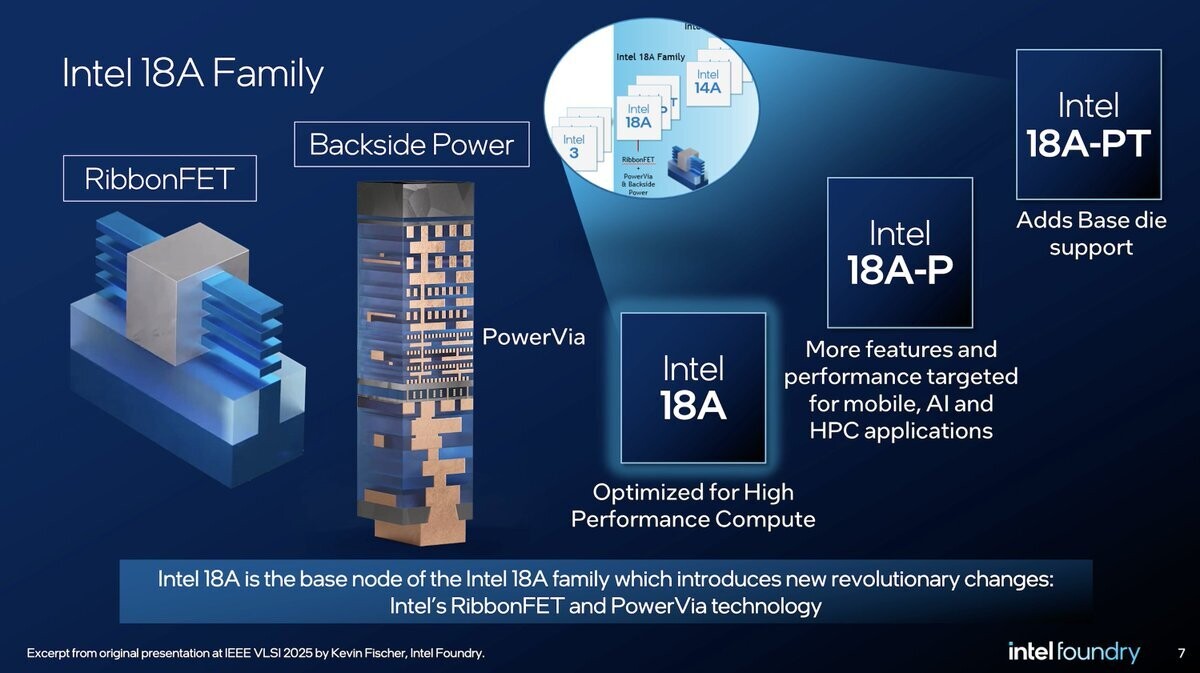
Intel’s 18A-P node delivers unexpected gains, offering 9% more performance or 18% lower power without shrinking transistor density. This shift could reshape how PC builders balance speed and efficiency.







The Corsair Scimitar Elite, a high-performance RGB gaming mouse, now offers unmatched value at just $50. This drop...

The latest JBL portable speakers integrate advanced AI sound processing and reinforced durability, catering to both...

The actor behind Crimson Desert's protagonist reveals how the game's story underwent significant changes during its...

The iPhone 20 series introduces a revolutionary ultra-slim design with a 1.1mm frame and rounded profile, alongside...

The Slimbook Creative laptop combines NVIDIA's RTX 5070 GPU with AMD's Ryzen AI processor, delivering high-end perf...

Apple is poised to introduce its largest OLED display yet in the next-generation iMac, signaling a major shift in d...
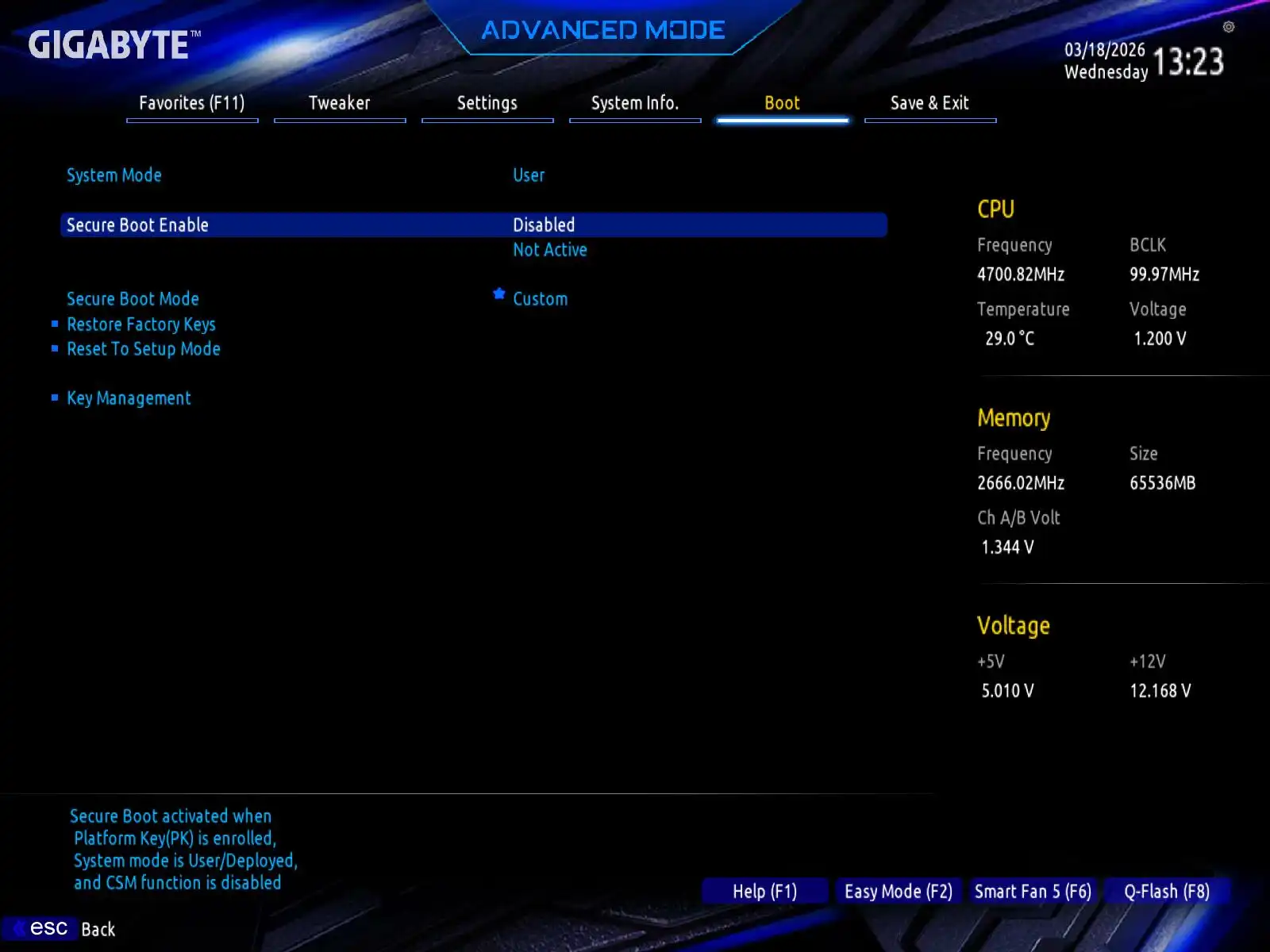
Secure Boot can lock out users when misconfigured. This guide explains the problem, its root causes, and practical...

The rollout of TSMC’s revolutionary 2nm process node is being tested by a wave of intellectual property theft, with...

A compact yet capable 13-port dock is now available at a record low price, but buyers should weigh compatibility an...

A modified BIOS on a consumer Z790 motherboard has successfully booted Intel’s new Bartlett Lake Core i9-273PQE pro...