Windows Hello’s face ID has long been touted as a secure way to unlock laptops and log into apps. But how well does it actually hold up when faced with a photo? A recent hands-on test puts the system under scrutiny, showing where it succeeds—and where it falters.
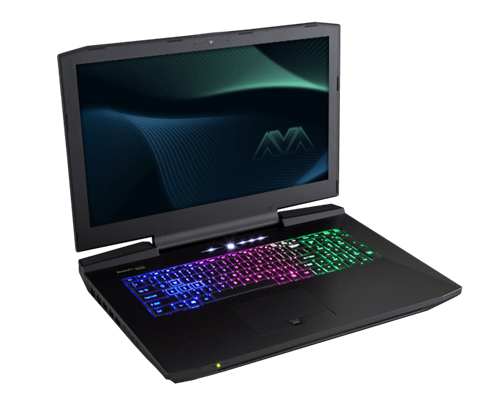
The experiment involved multiple attempts using printed photos of authorized users on different laptop models. The results highlight a surprising gap between advertised security and real-world performance, particularly in scenarios where attackers might exploit physical access to a device.
How the test worked
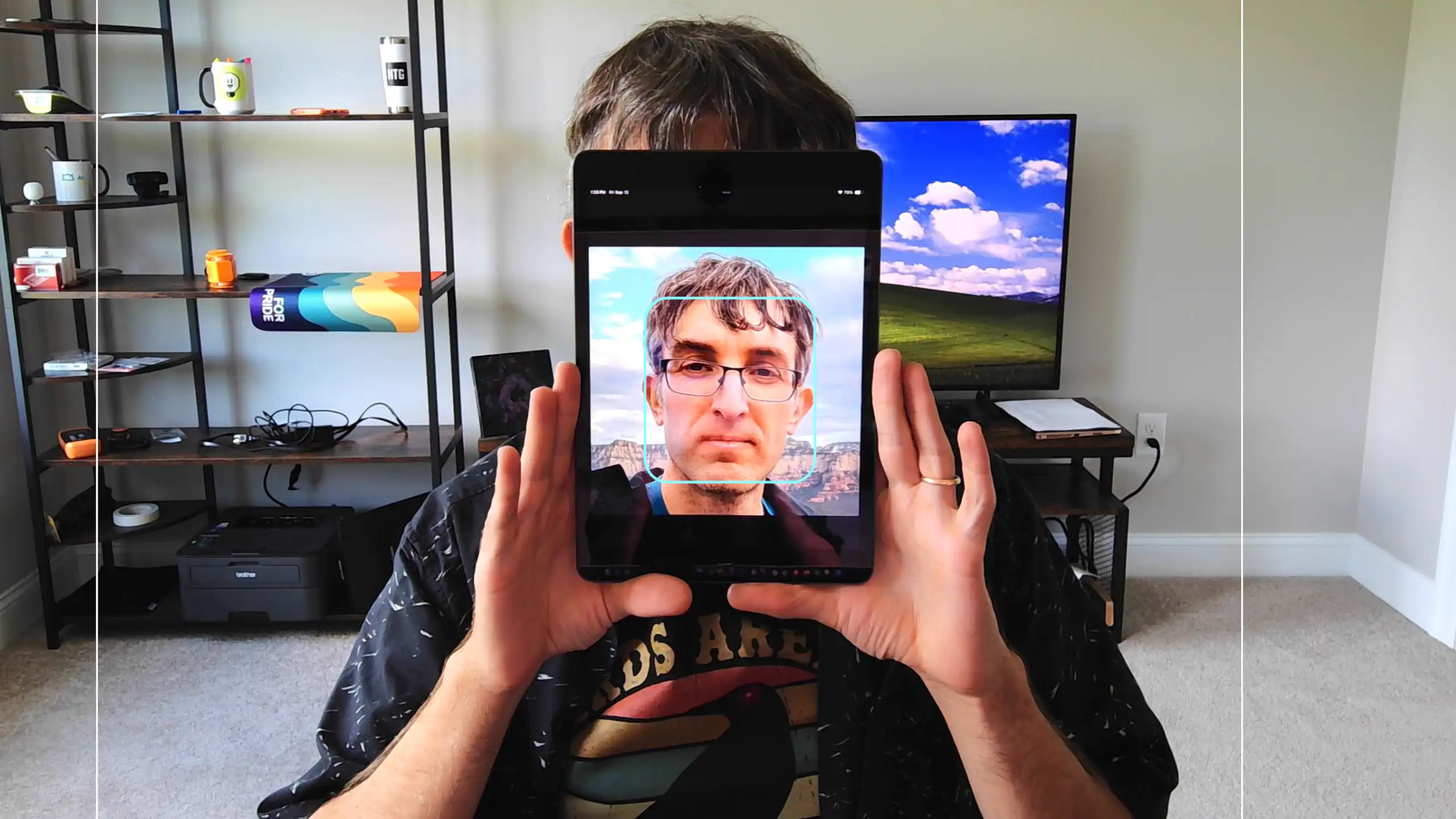
A standard 4x6-inch photo was placed in front of the laptop’s built-in camera at varying distances—from direct contact with the screen to several inches away. The goal was to see if Windows Hello would recognize the photo as a valid face, allowing access without the user’s presence.
- Close-up shots (touching the camera) were almost always rejected, triggering an error or requiring manual input.
- Photos held at arm’s length sometimes fooled the system, especially in low-light conditions.
- Angle and lighting played a critical role; slight shifts in position could make the difference between access granted and denied.
The test also examined whether multiple attempts to trick the system would trigger additional security measures, such as requiring a PIN or fingerprint. In some cases, Windows Hello remained vulnerable for several tries before locking down, raising concerns about opportunistic attacks.
What it means for users
For most everyday scenarios, Windows Hello’s face ID performs well—it’s designed to prevent spoofing with static images when used correctly. However, the test reveals that physical access to a locked laptop could still pose risks if attackers have time to experiment.
Users who rely solely on facial recognition for security should consider layering in additional authentication methods, such as Windows Hello PIN or fingerprint login. This adds an extra barrier without significantly impacting convenience.
The findings suggest that while face ID is a step forward from password-only security, it’s not foolproof. The balance between usability and protection remains a challenge, especially for those who prioritize ease of access over maximum security.