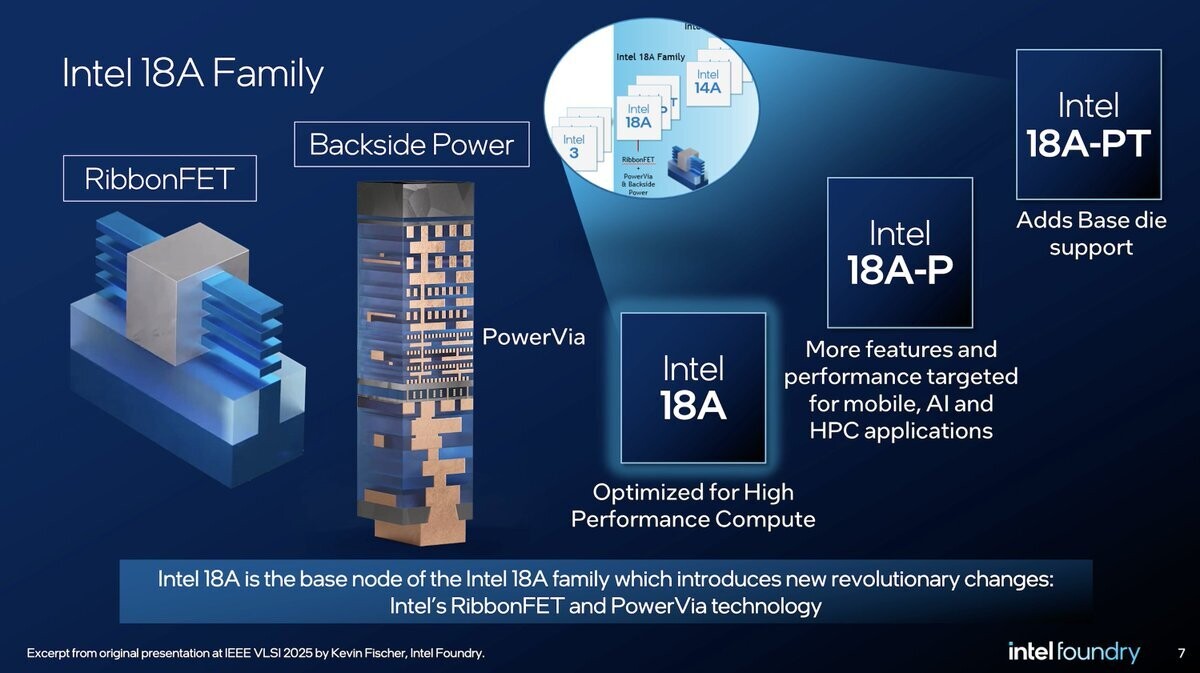
Intel’s 18A-P node delivers unexpected gains, offering 9% more performance or 18% lower power without shrinking transistor density. This shift could reshape how PC builders balance speed and efficiency.



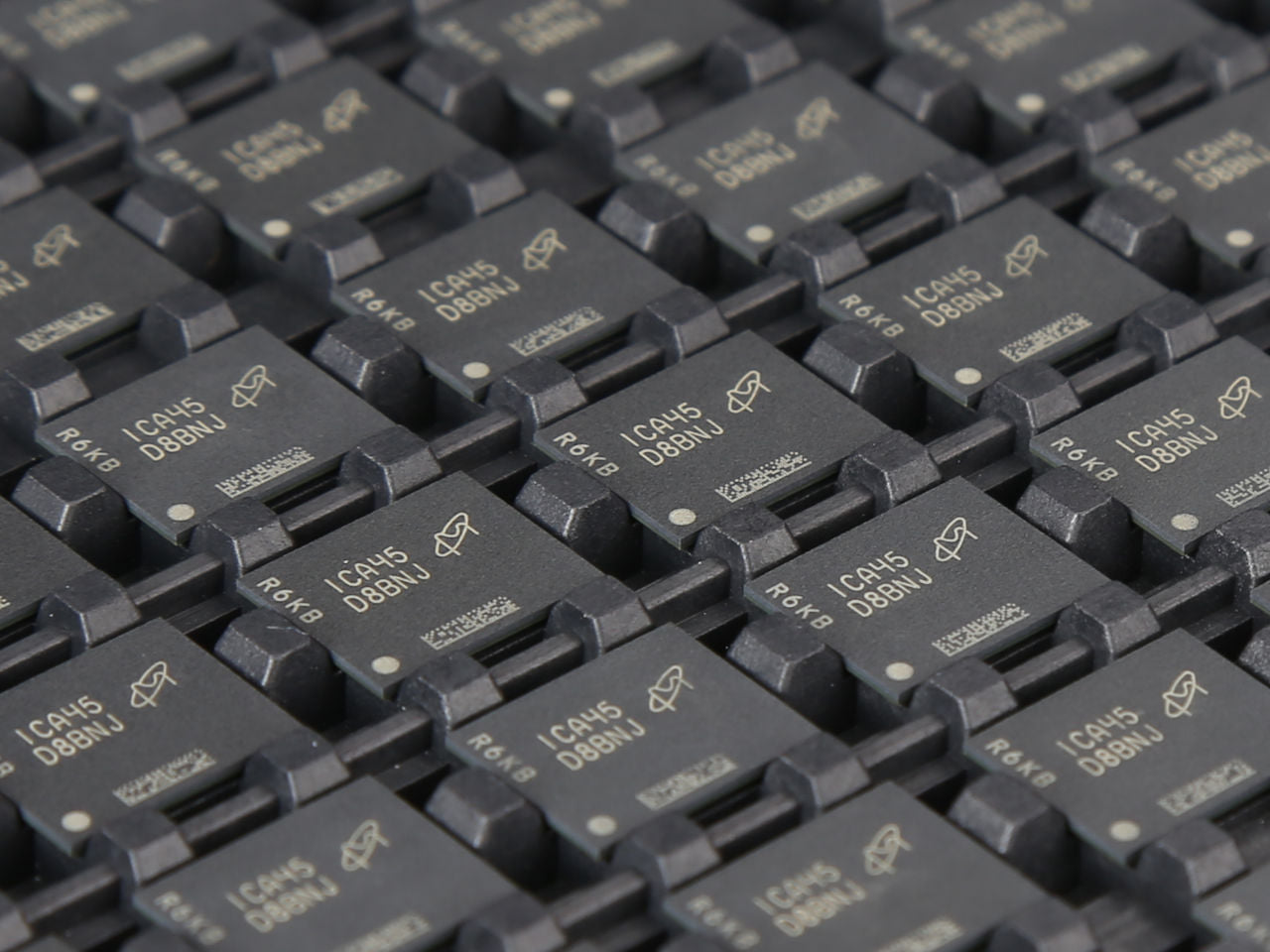






NVIDIA’s SOCAMM memory strategy has set a precedent—now Qualcomm and AMD are set to adopt SOCAMM2, enabling high-ba...

SSDs are faster and more efficient than traditional hard drives, but their lifespan depends on how you manage them....

Tesla’s **TeraFab** project is now targeting **3nm and 2nm** production—nodes typically reserved for the world’s la...

The French government is phasing out American video conferencing tools in favor of a domestically developed alterna...

The Game Bakers’ *Cairn* redefines climbing simulations with an unparalleled focus on bodily precision and survival...

Nvidia has officially launched GeForce Now for Linux in beta, unlocking 5K resolutions and higher frame rates for n...

The Asus ExpertBook Ultra arrives with Intel’s latest Core Ultra X7 358H, a 14-inch 120Hz tandem OLED touchscreen,...

Meta’s Reality Labs division lost $19.1 billion in 2025, while AI investments soar to $135 billion. With VR hardwar...
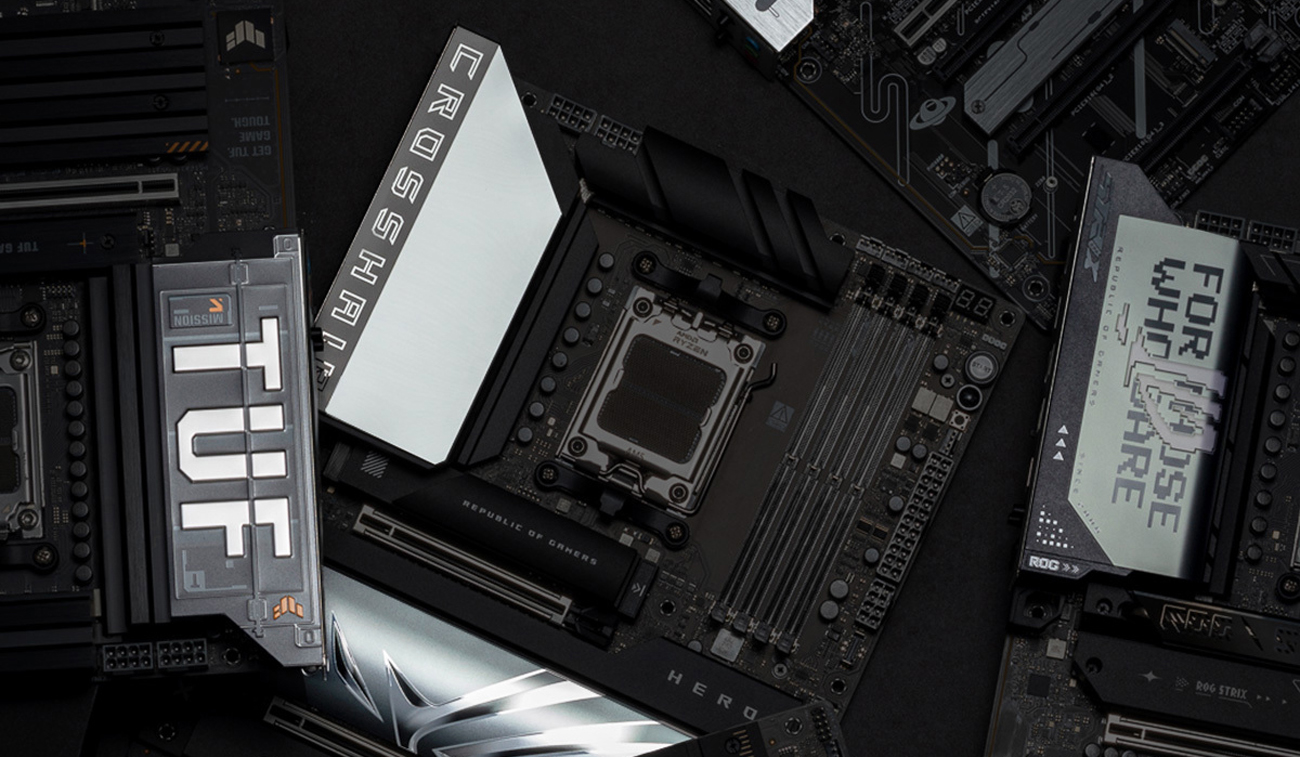
A frustrated customer claims ASUS denied a motherboard replacement, instead citing a $45 cosmetic repair—while the...

The Arzopa Z1FC, a 16.1-inch 144Hz portable monitor with IPS color accuracy, has dropped to $96.99—its lowest price...