YouTube TV has introduced a hidden layer of genre filters that lets users slice content by finer-grained categories than the standard ones—think sports highlights instead of just sports. The change is subtle yet significant, giving power users more precision while leaving casual viewers untouched. It’s a small step forward for content discovery, but it also raises questions about how these filters will influence ad targeting and algorithmic recommendations.
At first glance, the update appears to be an extension of YouTube TV’s existing genre system. Instead of simply choosing drama or comedy, users can now drill down into sub-genres such as romantic comedies, crime thrillers, or action films. The filters are accessible through a dedicated menu, so they don’t disrupt the main browsing experience. This means that someone looking for lighthearted romances won’t be buried under a broader comedy tag, nor will they miss out on content simply because it doesn’t fit neatly into one category.
Under the hood, the system appears to draw from YouTube’s own internal metadata, which has long used detailed genre tags for recommendation engines. The same data is now surfaced for user control, creating a feedback loop between what viewers select and what the algorithm suggests next. That dual-purpose design could make the filters more effective over time—if the underlying tagging remains consistent across all channels.
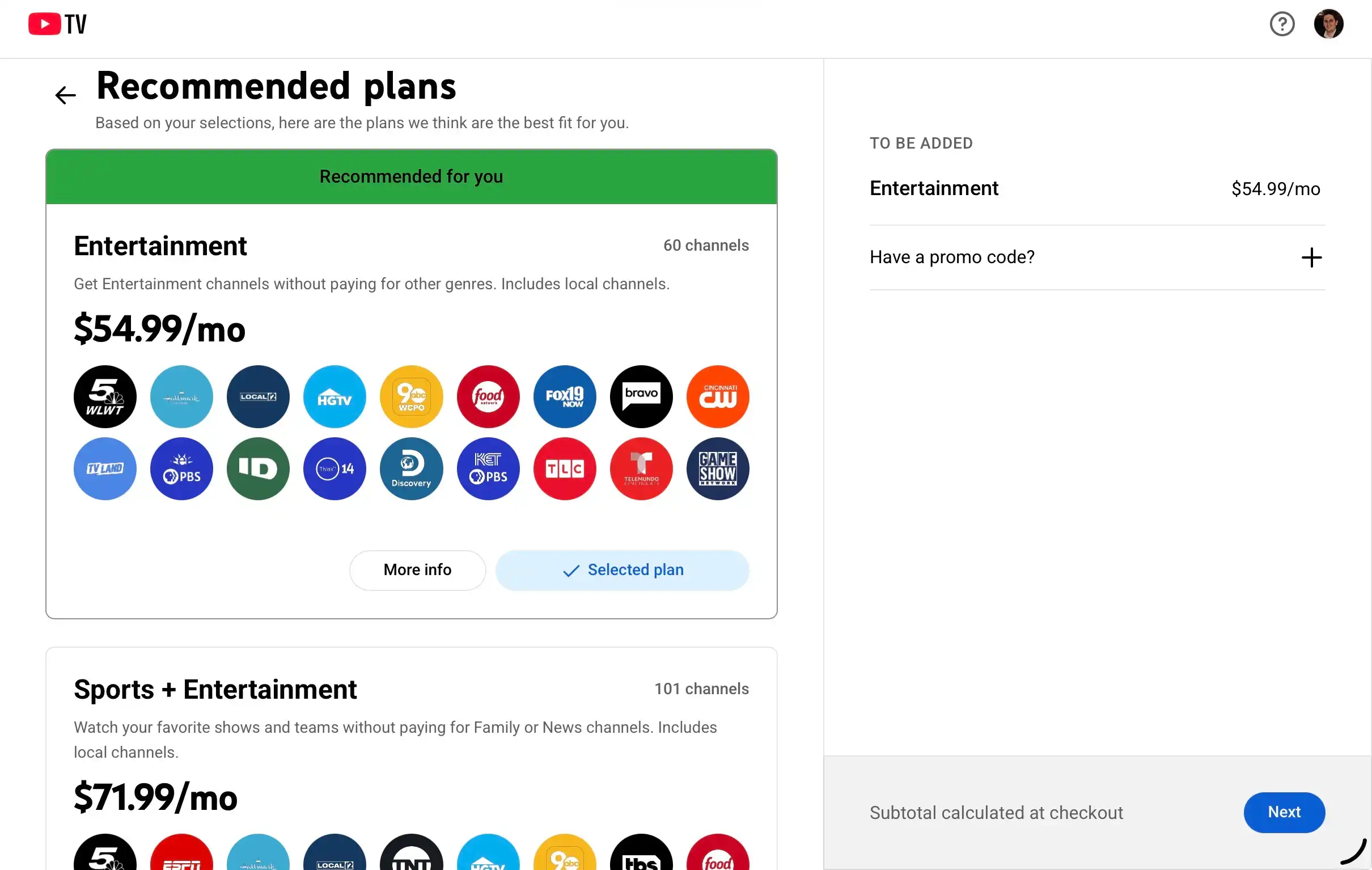
For PC builders or tech-savvy users who treat content as a performance metric, this update is worth noting. The ability to filter by sub-genre means that recommendation algorithms can become more accurate for niche interests, potentially reducing the recommendation fatigue that comes with oversimplified categories. On a day-to-day basis, someone who follows specific sports leagues or TV shows will notice fewer irrelevant suggestions popping up in their feed.
The bigger question is whether these filters will stabilize over time or continue to evolve. Early reports suggest that some channels are still being backfilled with broader tags, which could lead to inconsistent filtering behavior. If the system matures, it could become a standard feature for live-streaming platforms; if not, it may remain a curiosity rather than a core navigation tool.
What’s confirmed: the filters exist, they’re accessible without extra steps, and they use YouTube’s existing metadata pipeline. What’s still unknown: how aggressively ad placements will adapt to sub-genre targeting, whether all channels will eventually support granular tags, and if this becomes a template for other services beyond live TV.