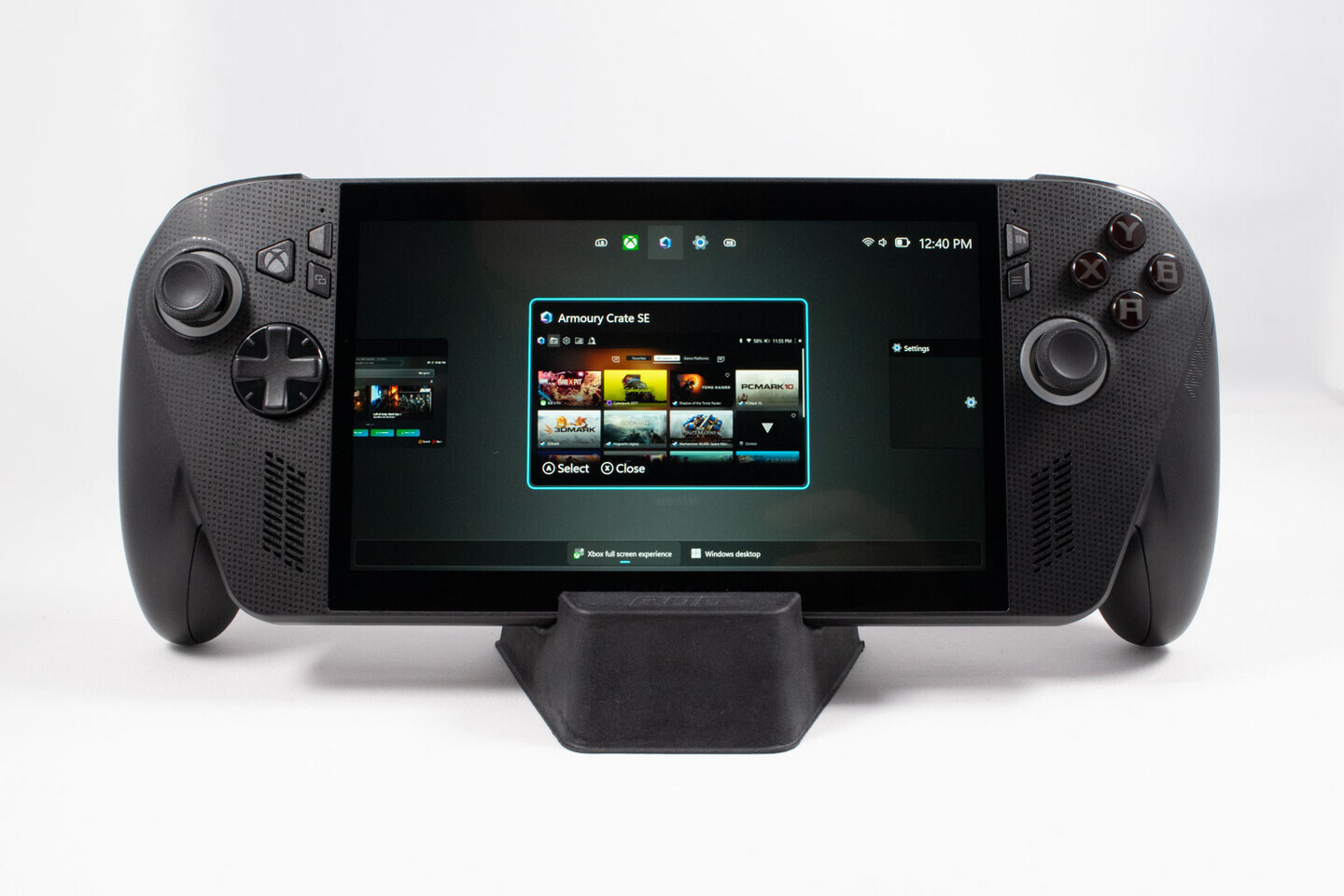
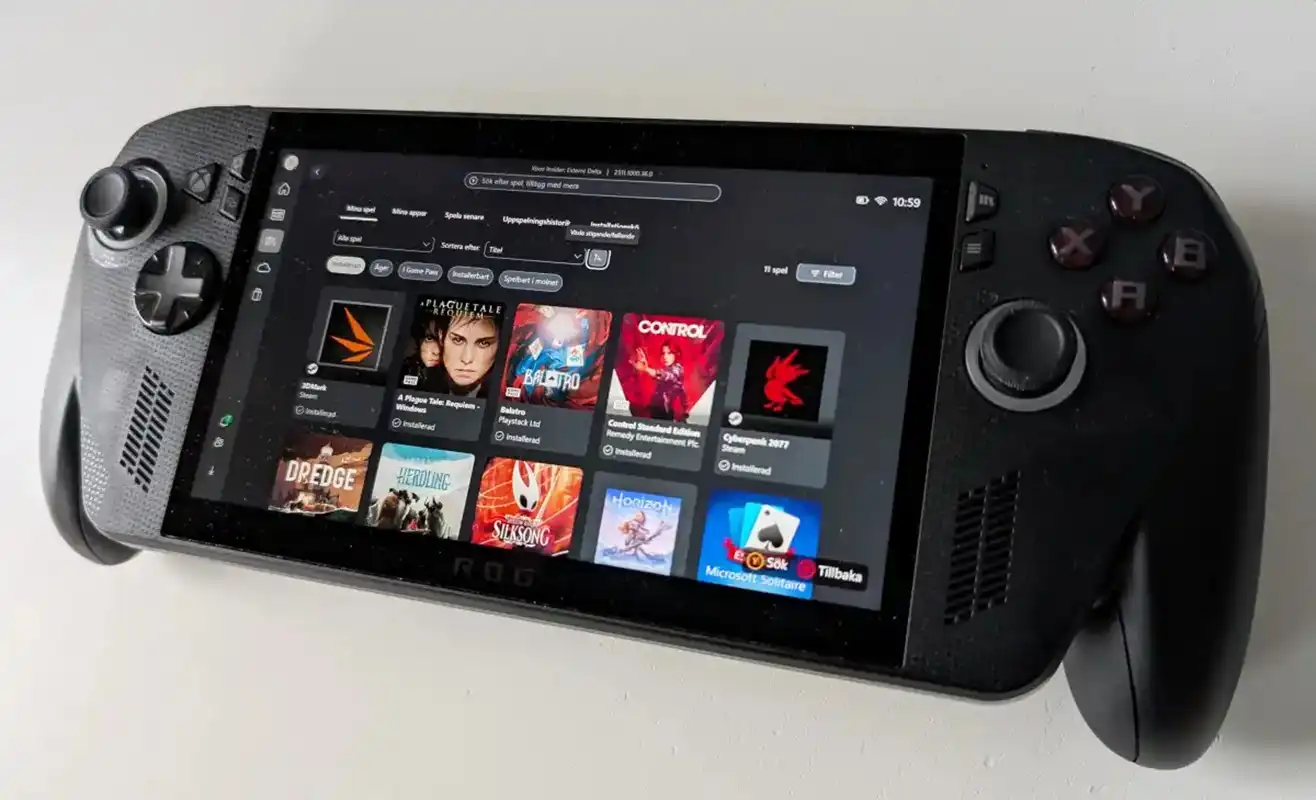
Microsoft’s Xbox Fullscreen Experience is now officially Xbox Mode for Windows, marking a subtle yet significant rebranding that hints at deeper integration between the Xbox ecosystem and PC gaming. While details are still emerging, the change suggests a push toward unifying gaming experiences across platforms—whether through performance tweaks, software optimizations, or new hardware synergies.
- Xbox Mode replaces the previous Fullscreen Experience on Windows PCs.
- New features include enhanced performance metrics and streamlined game management.
- No immediate hardware changes, but potential for future Xbox Series X|S integration.
- Performance improvements reported in early benchmarks, though full impact remains unclear.
The rebranding itself is a quiet update, but the implications could be far-reaching. Previously known as Xbox Fullscreen Experience, this feature was designed to optimize Windows PCs for gaming by adjusting settings like refresh rates and power management. Now, under Xbox Mode, Microsoft appears to be positioning it as more than just a performance tool—a potential gateway to deeper Xbox ecosystem integration.
One of the most notable shifts is the addition of real-time performance metrics within the mode. Users may see detailed stats on frame rates, latency, and other key gaming metrics, mirroring what’s available in Xbox consoles. This could help PC gamers fine-tune their setups with greater precision, though whether these tools will be as intuitive for Windows users remains an open question.
Another area of speculation is hardware compatibility. Early reports suggest that Xbox Mode may eventually leverage components from the Xbox Series X|S, such as the custom GPU or SSD tech, but no concrete details have been confirmed. If realized, this could lower operational costs for PC builders by reducing the need for separate high-end GPUs in some scenarios—though it’s far too early to say how viable that path will be.
For now, the focus is on software. Xbox Mode appears to streamline game management, making it easier to switch between games or adjust settings without leaving the gaming environment. This is a small but meaningful step toward reducing the friction in PC gaming workflows, where juggling multiple apps and settings can often feel like an afterthought.
The bigger question is whether this rebranding will lead to tangible improvements for users—or if it’s just a cosmetic change with limited practical benefits. Microsoft has a history of refining its gaming tools, but the transition from Fullscreen Experience to Xbox Mode feels more strategic than incremental. If the company can deliver on the promise of deeper integration without sacrificing performance, this could be a meaningful upgrade for PC gamers. Otherwise, it may just be another layer in an already complex ecosystem.