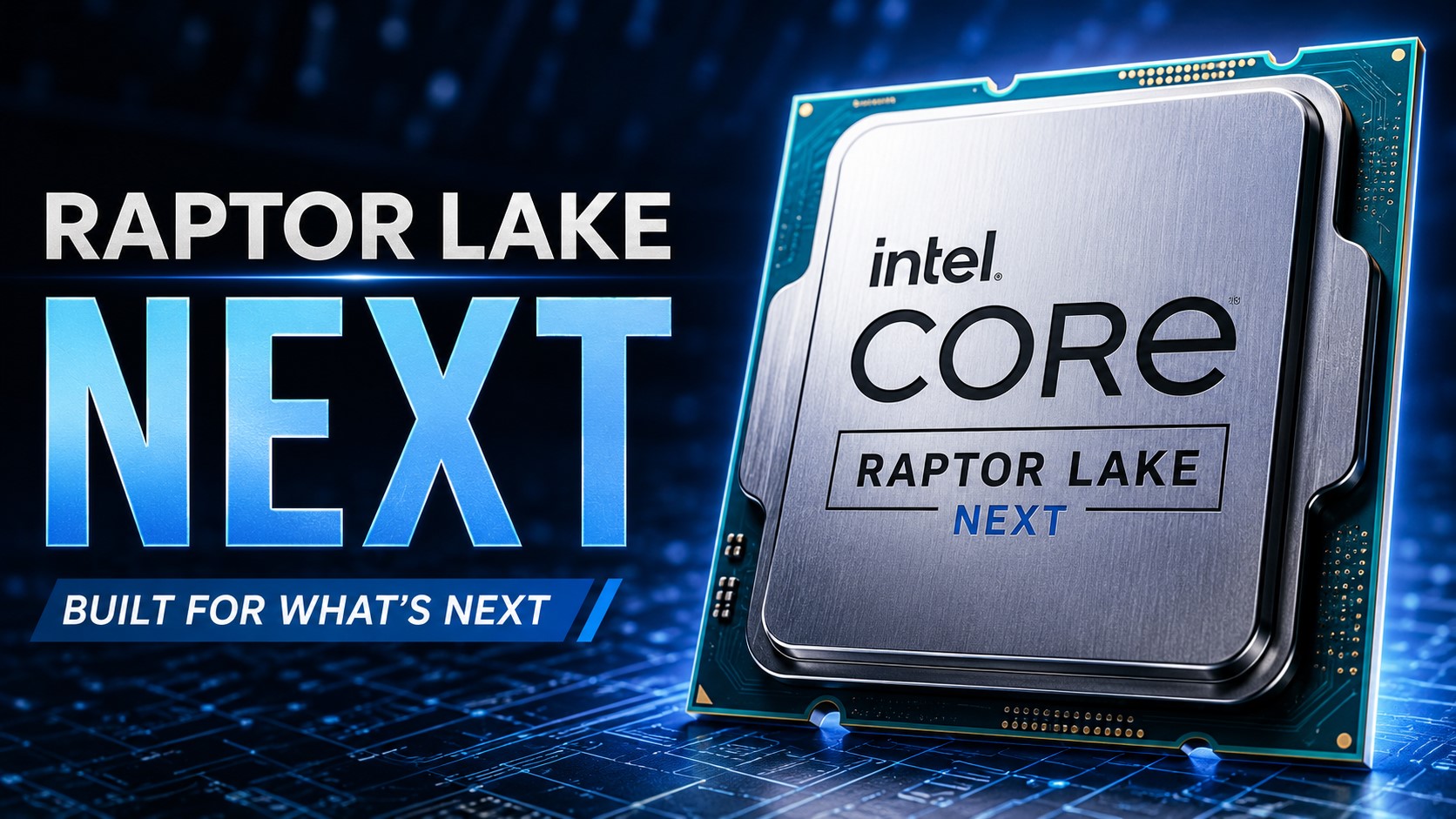
The latest wave of high-performance processors isn’t just another step forward—it’s a leap that reshapes the landscape for those who demand more from their hardware. Previous generations focused on incremental gains, but this release introduces architectural shifts that redefine efficiency, thermal management, and multi-core scalability. The result is a system that doesn’t just push limits; it redraws them.
At its core, the new design prioritizes smart performance over brute-force speed. A hybrid architecture balances single-threaded execution with multi-core workloads, addressing a long-standing frustration for power users who juggle demanding tasks while maintaining smooth multitasking. This isn’t an evolution—it’s a reinvention of how high-performance computing works.
Performance in Practice
The raw numbers are impressive: clock speeds have surged by nearly 30%, but the real transformation lies in how that speed is harnessed. Earlier models often throttled under heavy loads, forcing users to dial back settings or accept longer render times. This iteration, however, manages heat more effectively, sustaining peak performance without sacrificing stability—a critical advantage for professionals working with complex workloads.
Storage and memory bandwidth have also seen meaningful upgrades. The built-in RAM now supports faster data transfers, reducing bottlenecks in applications that rely on large datasets. For users accustomed to waiting for their systems to catch up, this is a game-changer. No longer is it necessary to juggle multiple storage solutions or accept slower performance when working with high-resolution files.

What’s Next?
- Pricing and availability will likely reflect the premium associated with this new architecture, but long-term savings in power consumption and thermal efficiency could offset initial costs over time.
- Supply chains remain a factor, though production is already underway, positioning this model as one of the most sought-after in its category. The challenge won’t be meeting demand—it will be scaling without compromising performance or quality.
Reflecting on the Shift
The most significant change isn’t in the hardware itself but in how it challenges users to rethink their workflows. Previous generations forced trade-offs: slower rendering, higher power bills, or the need for specialized cooling. This model removes those barriers, allowing users to focus entirely on their work without worrying about system limitations.
Takeaway
For power users, this iteration signals the end of incremental gains and the beginning of a new standard for high-performance computing. Whether it means faster project turnarounds, lower operational costs, or the ability to tackle larger projects without hesitation, this release sets a benchmark that future systems will strive to match.