Windows 11 has quietly unlocked a long-requested feature: the ability to stream audio to two Bluetooth devices simultaneously. Think of it as the operating system’s answer to the age-old problem of splitting a song or podcast between two sets of headphones without tangled wires or awkward workarounds.
But there’s a catch. The new Shared Audio feature, buried in the latest Windows Insider Preview (build 26220.7051), isn’t just a software update—it’s a hardware lottery. Only a handful of laptops with specific Bluetooth LE implementations qualify, and even then, the list is limited to Qualcomm Snapdragon-powered devices.
For now, that means the latest Snapdragon-powered Surface laptops and tablets, plus the Samsung Galaxy Book4 Edge. The Galaxy Book5 series—despite also using Qualcomm’s Core Ultra 200 processors—won’t support it yet, with Microsoft promising broader compatibility in future updates.
Why the restrictions?
The limitations stem from how Bluetooth Low Energy (LE) audio is handled at the driver level. Shared Audio requires both the device’s Bluetooth stack and the audio hardware to support simultaneous connections in a way most off-the-shelf chips don’t. Microsoft’s initial rollout is testing the waters, likely to ensure stability before expanding.
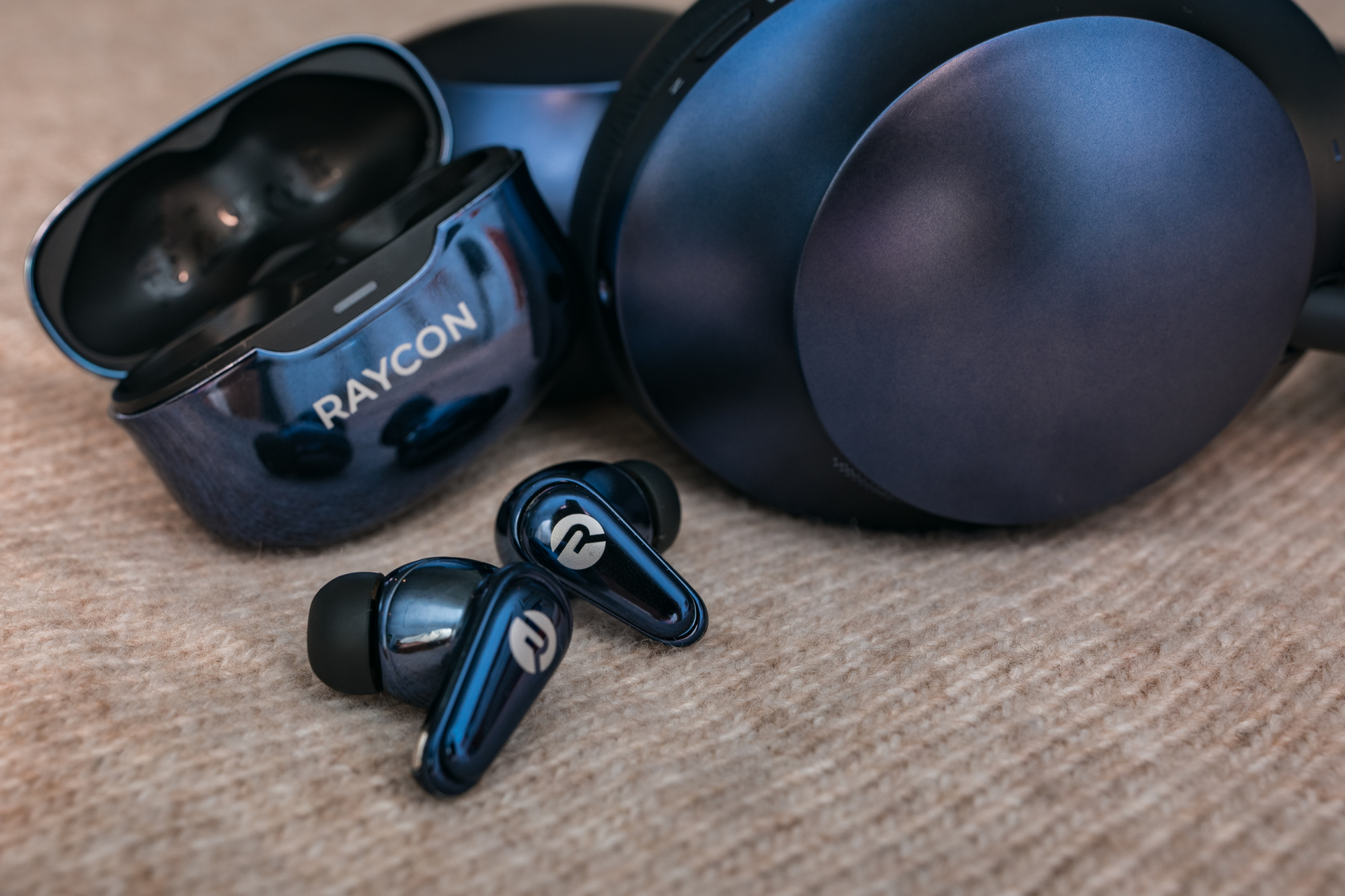
For users outside this exclusive club, the workaround remains the same: manually switch audio outputs or rely on third-party apps. But for those with compatible hardware, the feature is straightforward—connect two Bluetooth devices, open the quick settings menu, and toggle Shared Audio on.
Who benefits?
This isn’t a mass-market fix. The Core Ultra 200 processors in qualifying devices are still rare outside Microsoft’s own hardware and Samsung’s premium lineup. Even then, the feature’s usefulness hinges on having two Bluetooth devices that support simultaneous connections—a scenario that’s more common in gaming or productivity setups than casual listening.
Still, the existence of Shared Audio signals a shift. Bluetooth audio has long been constrained by single-device limits, and Microsoft’s move suggests the tech industry is finally addressing the gap. Whether it expands beyond Snapdragon chips remains to be seen—but for now, dual-audio sharing is a perk reserved for a select few.