A critical Windows 11 update launched in March has triggered widespread system instability, prompting Microsoft to issue an emergency rollback patch just days after deployment. The fix targets a core component that, when malfunctioning, can cause applications to crash, system freezes, and even complete shutdowns on affected machines.
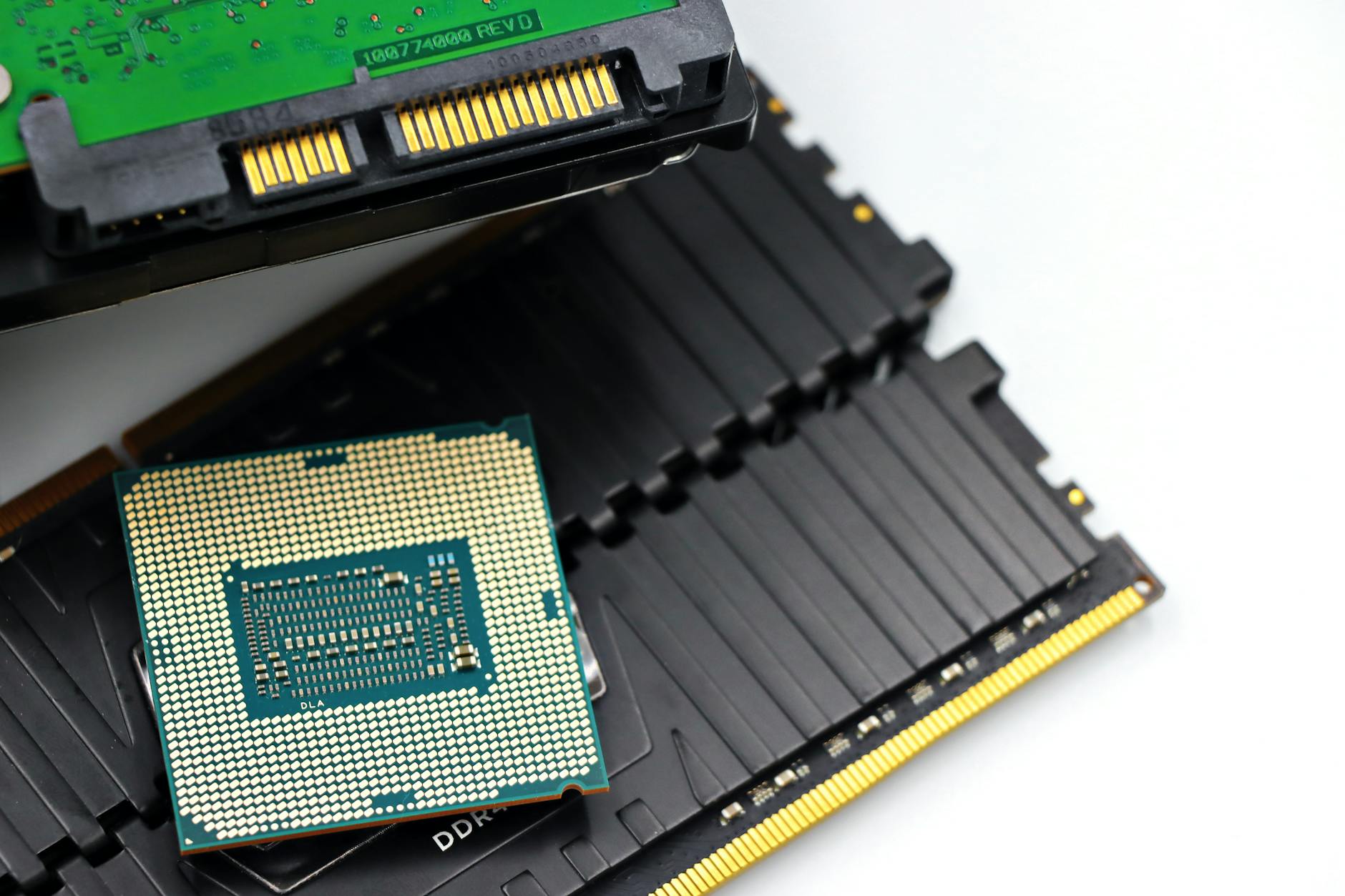
This is not the first time Windows 11 updates have faced stability problems, but the scale of this particular issue—reportedly impacting systems with 8GB or less RAM—has forced Microsoft to deviate from its usual quarterly update cycle. The rollback patch, released without prior announcement, restores previous functionality while Microsoft investigates the root cause.
Performance vs. stability: a familiar tradeoff
The Windows 11 March update introduced several performance-focused optimizations, including improved background task management and enhanced memory allocation for modern applications. However, these changes appear to have introduced instability in systems with limited RAM, where the new memory handling logic conflicts with legacy software or hardware constraints.
- Key improvements:
- Faster app launch times due to optimized background processes
- Reduced memory fragmentation for multitasking workloads
- Enhanced compatibility with newer CPU architectures
Limitation: RAM-dependent instability
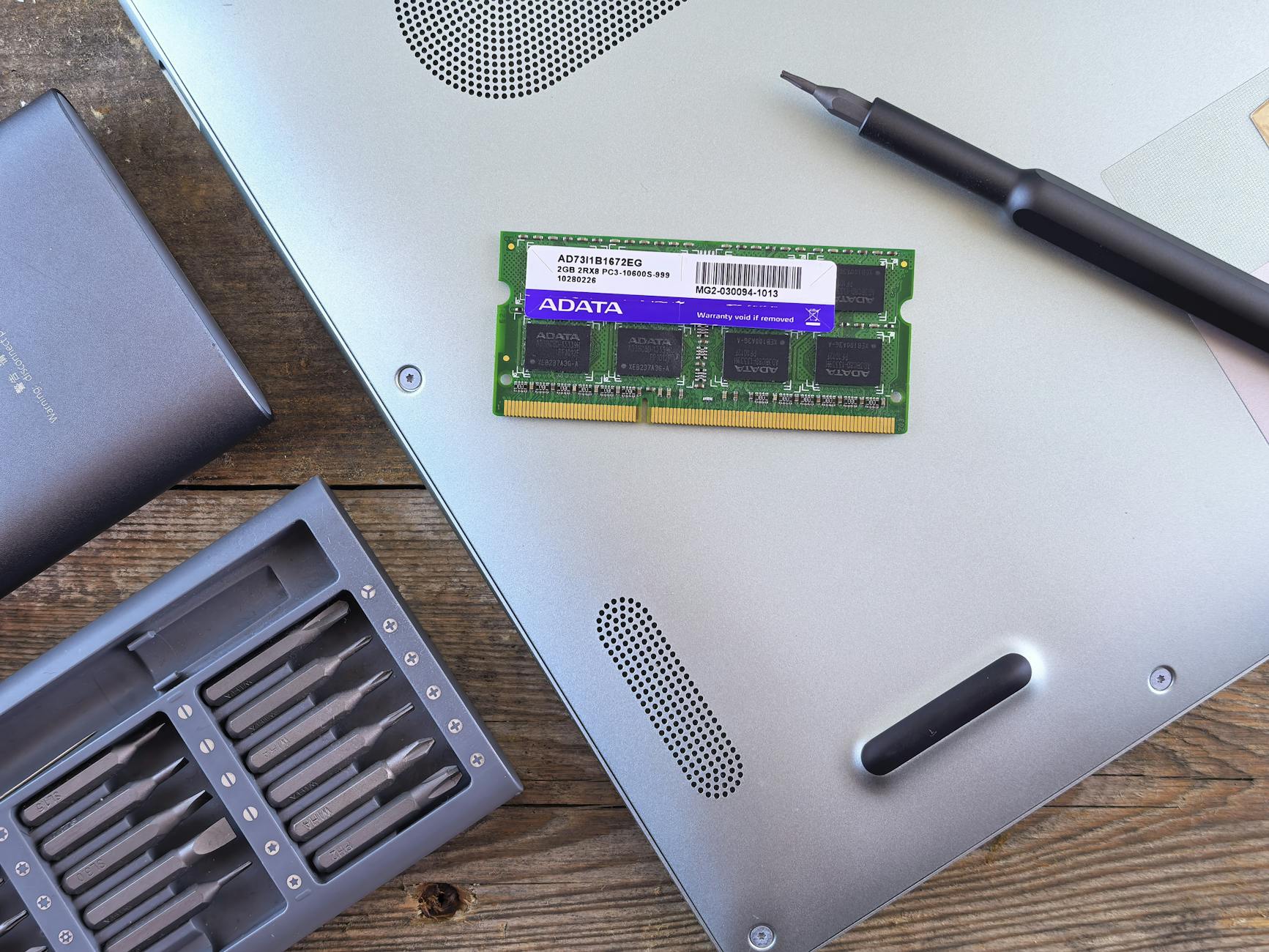
The most significant caveat is the update's behavior on systems with 8GB or less of RAM. Users in this category report frequent crashes, particularly when running multiple applications simultaneously. Microsoft's investigation suggests that the new memory management system, while beneficial for high-RAM configurations, does not gracefully degrade on lower-end hardware.
For users unaffected by these issues, the update remains a net positive, offering noticeable improvements in responsiveness and efficiency. However, those with limited RAM must now weigh whether to apply the patch—risking instability—or remain on a more stable but less optimized version of Windows 11.
The emergency rollback provides a temporary solution, but Microsoft has not yet confirmed a timeline for a permanent fix. Buyers should monitor official communications for updates on when this issue will be resolved, particularly if they rely on systems with constrained memory resources.