Intel’s acquisition of complete control over its semiconductor fabrication facility in Ireland marks a pivotal moment for the company’s future in AI-driven computing. The $14.2 billion repurchase of the remaining 49% stake—previously held by Apollo Global Management—eliminates external financial constraints, allowing Intel to redirect resources toward next-generation chip technologies with greater urgency.
Fabrication plants like Fab 34 are the unsung workhorses of modern computing. Built in 2024 under a joint venture model that balanced capital needs with operational flexibility, this site has since become a cornerstone for Intel’s production ecosystem. Now, with full ownership secured, the company can focus entirely on pushing boundaries in process technology without worrying about shareholder dividends or external governance requirements.
The AI Factor: Why This Move Matters
is reshaping every layer of chip design and manufacturing, from architecture to fabrication. Intel’s decision to take full control of Fab 34 reflects a broader industry trend: companies are consolidating their most advanced production capabilities to ensure rapid innovation without compromise. With AI workloads growing exponentially—from data centers to edge devices—the pressure on manufacturers to deliver faster, more efficient chips has never been greater.
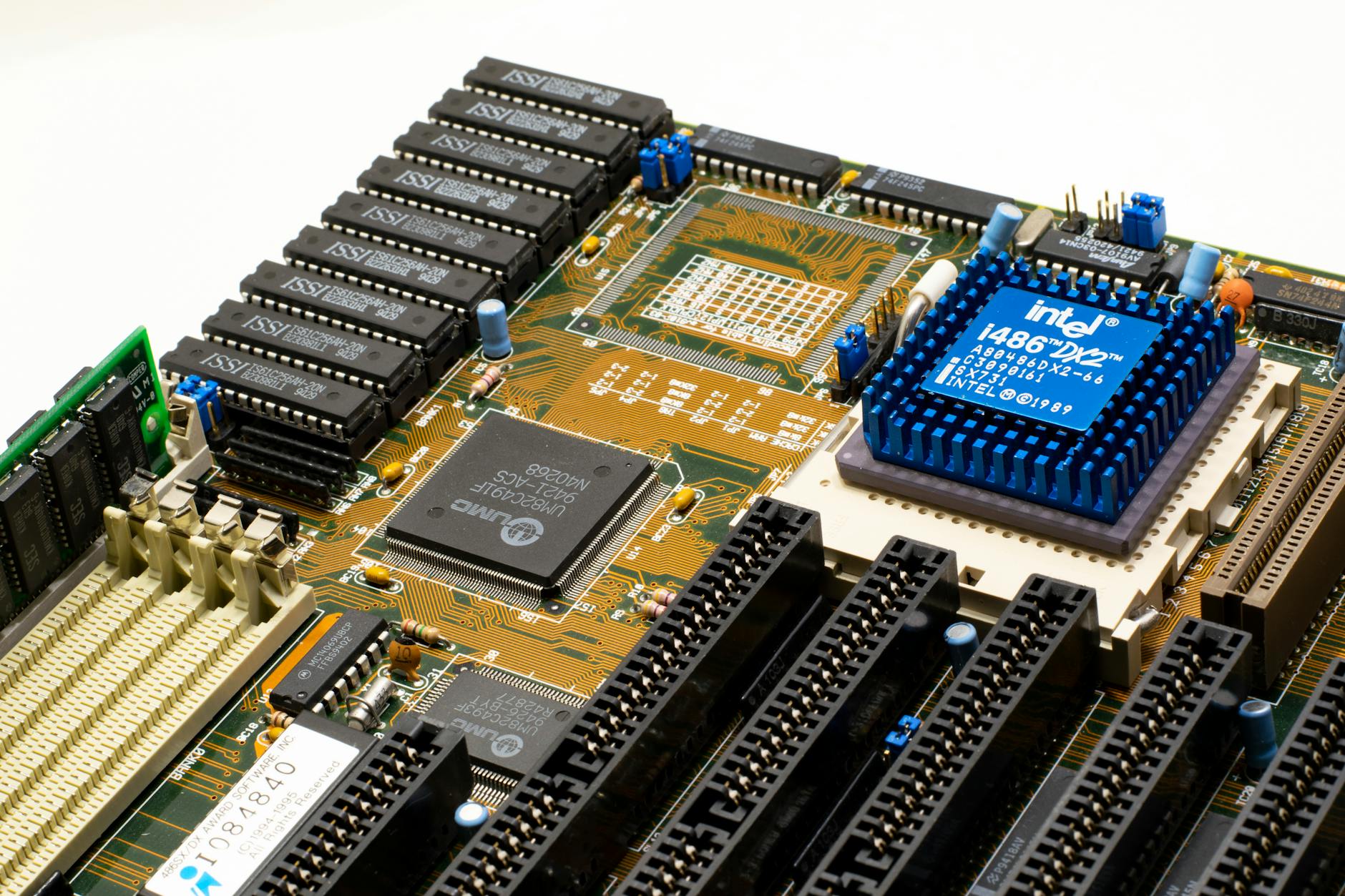
Fab 34 in Action: Supporting Today’s Chips, Enabling Tomorrow’s
- Currently operating at the leading edge of high-volume production, Fab 34 manufactures chips using Intel 4 and Intel 3 process nodes—technologies that have already revolutionized performance per watt.
- The facility is a primary production site for Intel Core Ultra mobile processors and Intel Xeon 6 server chips, both designed to handle the demands of AI-accelerated applications.
- It integrates LPDDR5X memory technology, which delivers high bandwidth and low latency—critical attributes for AI workloads in both consumer and enterprise environments.
While transitioning to Intel 18A—the company’s next advanced node targeting AI and high-performance computing—is still on the horizon, full ownership of Fab 34 removes a significant hurdle. Without the need to coordinate with external partners, Intel can now allocate resources more dynamically, potentially shortening development cycles.
A Stable Foundation for Future Innovation
For consumers and businesses alike, the implications are twofold: stability and speed. A fully controlled supply chain means less risk of delays or disruptions in chip availability, which could translate into faster access to advanced CPUs with stronger AI capabilities. At the same time, Intel’s renewed financial flexibility allows for more aggressive investment in R&D without sacrificing long-term stability.
Yet, the real test will be execution. Balancing rapid development of cutting-edge process nodes like Intel 18A with cost efficiency is no small feat. If successful, this move could solidify Intel’s position as a leader in AI-driven semiconductor innovation—not just in Europe, but globally. As AI continues to redefine computing, the company’s ability to translate ownership into tangible product advancements will be closely watched by both industry and end users.
The full acquisition of Fab 34 isn’t just about reclaiming control; it’s a declaration of intent. Intel is doubling down on in-house manufacturing as the backbone of its AI strategy, setting the stage for what could be a new era of performance and efficiency in computing.