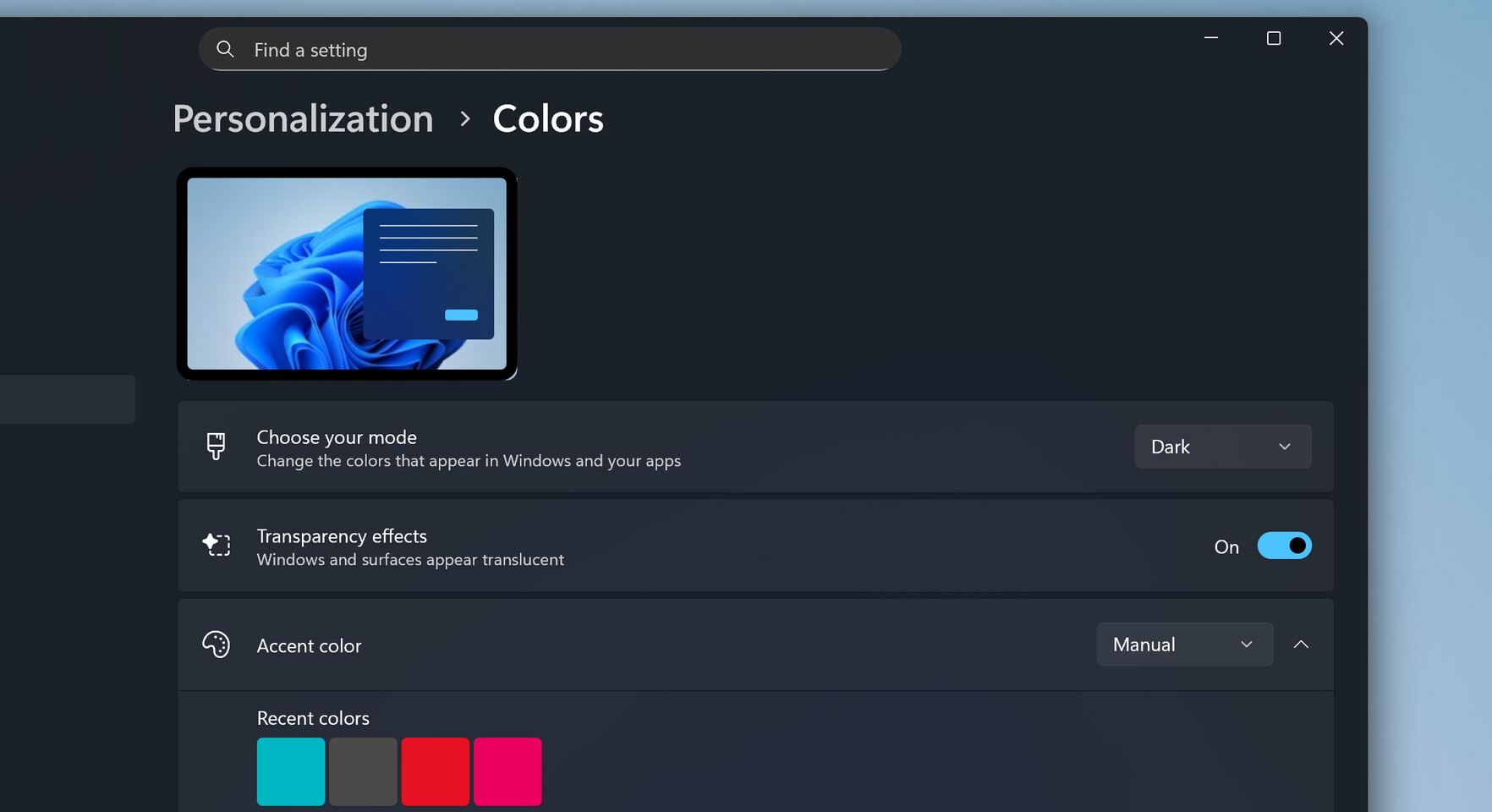
Dark themes have evolved from a visual preference to an operational necessity, particularly in professional environments where screen time is extensive. Microsoft is now accelerating this shift by embedding dark mode more deeply into Windows 11, ensuring it functions seamlessly across the operating system and third-party software. This move aligns with growing enterprise needs for tools that reduce eye strain while maintaining visual consistency.
The latest updates go beyond surface-level changes, focusing on system-wide integration and developer collaboration to standardize dark theme adoption. While dark themes have existed for years, their inconsistent implementation has limited their appeal. Microsoft’s strategy aims to eliminate these gaps, making dark mode a reliable default for businesses that depend on Windows 11.
Key Improvements in the Latest Update
- Granular Customization: Users will gain finer control over dark theme elements, including system menus, taskbars, and individual app windows. This level of adjustment was previously limited to basic toggles, but now offers more precise personalization.
- Expanded Third-Party Support: Microsoft is prioritizing compatibility with external applications, ensuring they adhere to dark mode standards without reverting or displaying inconsistencies. This addresses a long-standing issue that frustrated enterprise users.
The changes are designed to make dark themes more than just an aesthetic choice, focusing on practical benefits like reduced eye strain and improved workflow efficiency. Enterprises adopting this approach will see fewer visual disruptions when switching between applications, leading to smoother operations. However, the success of this initiative depends on how quickly third-party developers adopt these standards.
Broader Implications for Enterprise Users
The push for dark theme standardization extends beyond user comfort—it’s about performance in real-world scenarios. Employees working long hours or in low-light conditions will experience fewer headaches and better focus, which directly impacts productivity. For businesses, this means a more cohesive visual experience across their software stack, reducing cognitive load when navigating multiple tools.
Yet challenges remain. Not all third-party applications will immediately comply with dark mode standards, creating potential inconsistencies. Microsoft’s ability to influence developers will determine how smoothly this transition unfolds. Without strong developer buy-in, the promise of a seamless experience may not fully materialize.
What’s Next for Dark Themes in Windows 11
The timeline for full compatibility is still unclear, but Microsoft has indicated that updates will roll out gradually. Core OS-level changes—such as deeper customization and system-wide consistency—are already underway. Enterprises should prepare for this transition as an ongoing process rather than a sudden fix.
Despite the uncertainties, the direction is clear: dark themes are becoming the default choice for professional users. With Microsoft’s push, Windows 11 is moving toward a more unified and functional dark mode experience—one that prioritizes both aesthetics and productivity. The question now is whether this shift will extend across all enterprise software or remain fragmented in its execution.