Apple’s M-series chips revolutionized laptop performance by integrating memory directly onto the processor, eliminating latency and unlocking speeds that leave traditional systems in the dust. Qualcomm, however, has no plans to replicate this approach across its Snapdragon lineup—and the reasons boil down to a fundamental difference in how the two companies operate.
Where Apple controls every aspect of its hardware stack, Qualcomm sits in the middle: supplying chips to manufacturers like Dell, HP, and Lenovo, each with their own cost constraints and design preferences. The math doesn’t add up. On-package RAM, like Apple’s, would inflate production costs, force OEMs to pay for custom SKUs, and generate more heat—all without guaranteeing higher sales volumes. Even Qualcomm’s most powerful chip, the Snapdragon X2 Elite Extreme, only uses this approach in a single, ultra-high-end configuration with 48GB of memory, a move that’s more about signaling ambition than practicality for the average buyer.
The result? Windows laptops will continue relying on soldered LPDDR5X RAM for the foreseeable future, trading Apple’s near-zero latency for flexibility and lower costs. That doesn’t mean progress is stalled—Qualcomm’s LPCAMM2 standard could eventually bridge the gap by improving memory speeds without requiring on-package integration. But for now, the ‘snappiness’ of an M-series Mac remains out of reach for most Windows users.
The Middle-Man Dilemma
Qualcomm’s challenge isn’t technical; it’s economic. Apple can afford to bake RAM into its chips because it designs and manufactures its own laptops, ensuring demand for every configuration. Qualcomm, by contrast, must cater to a fragmented market where OEMs demand varied specs, lower costs, and upgradeability. The company’s only foray into on-package RAM—the Snapdragon X2 Elite Extreme—is a niche play, limited to a single, 48GB variant. Expanding this approach would require Qualcomm to produce dozens of custom SKUs, each tailored to different memory capacities and performance tiers. The cost would ripple through the supply chain, and most manufacturers would balk at the higher price tags.
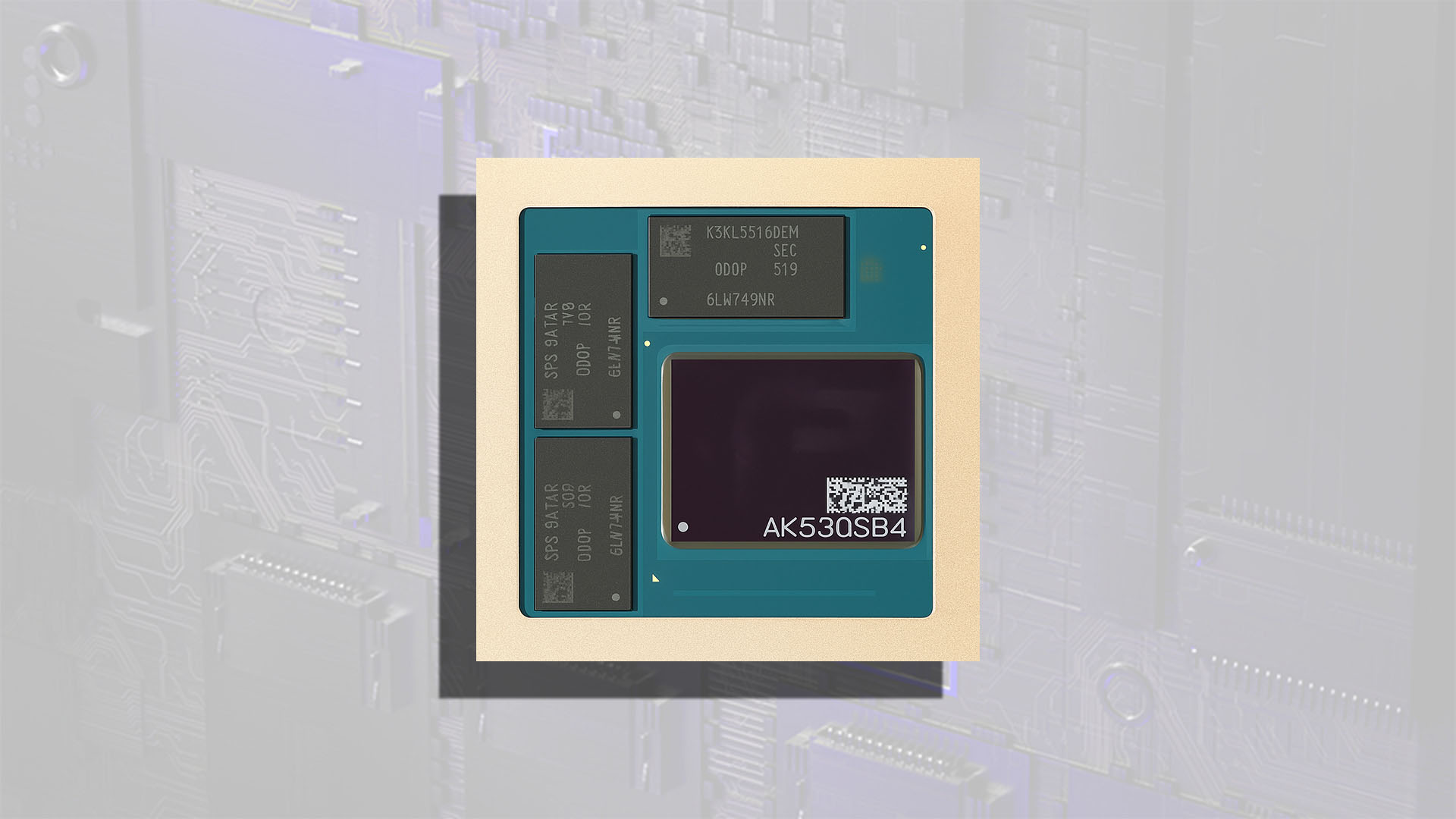
There’s also the heat problem. DRAM generates significant thermal output, and integrating it onto a chip would force OEMs to invest in more sophisticated cooling solutions—another expense they’d rather avoid. For now, soldered LPDDR5X remains the pragmatic choice, offering a balance between performance and cost that aligns with Qualcomm’s business model.
A Glimpse of the Future?
The LPCAMM2 standard—Qualcomm’s answer to Apple’s unified memory—holds promise. By improving memory bandwidth and reducing latency without requiring on-package integration, it could eventually deliver near-Apple-like performance in traditional laptop designs. However, widespread adoption remains uncertain. OEMs will need to update their motherboards and cooling systems to support the standard, and Qualcomm must convince them the long-term benefits outweigh the short-term costs.
Until then, Windows laptops will keep using soldered RAM. For power users chasing the absolute fastest systems, that means sticking with Apple’s M-series—or waiting for Qualcomm to either fully embrace on-package memory or perfect alternatives like LPCAMM2. The middle-man position ensures neither will happen overnight.
Key Specs: Snapdragon X2 Elite Extreme (On-Package RAM Example)
- Memory: 48GB (on-package, 12-channel, 228GB/s bandwidth)
- Alternate SKUs: Snapdragon X2 Elite (8-channel, 152GB/s, no on-package RAM)
- Target Market: High-end gaming/workstation laptops (limited to premium tiers)
The Snapdragon X2 Elite Extreme’s on-package RAM is a technical showcase, but its 48GB configuration and hefty price tag make it impractical for mainstream adoption. Most Snapdragon-powered laptops will continue using traditional LPDDR5X, with LPCAMM2 as the most plausible path to future improvements.