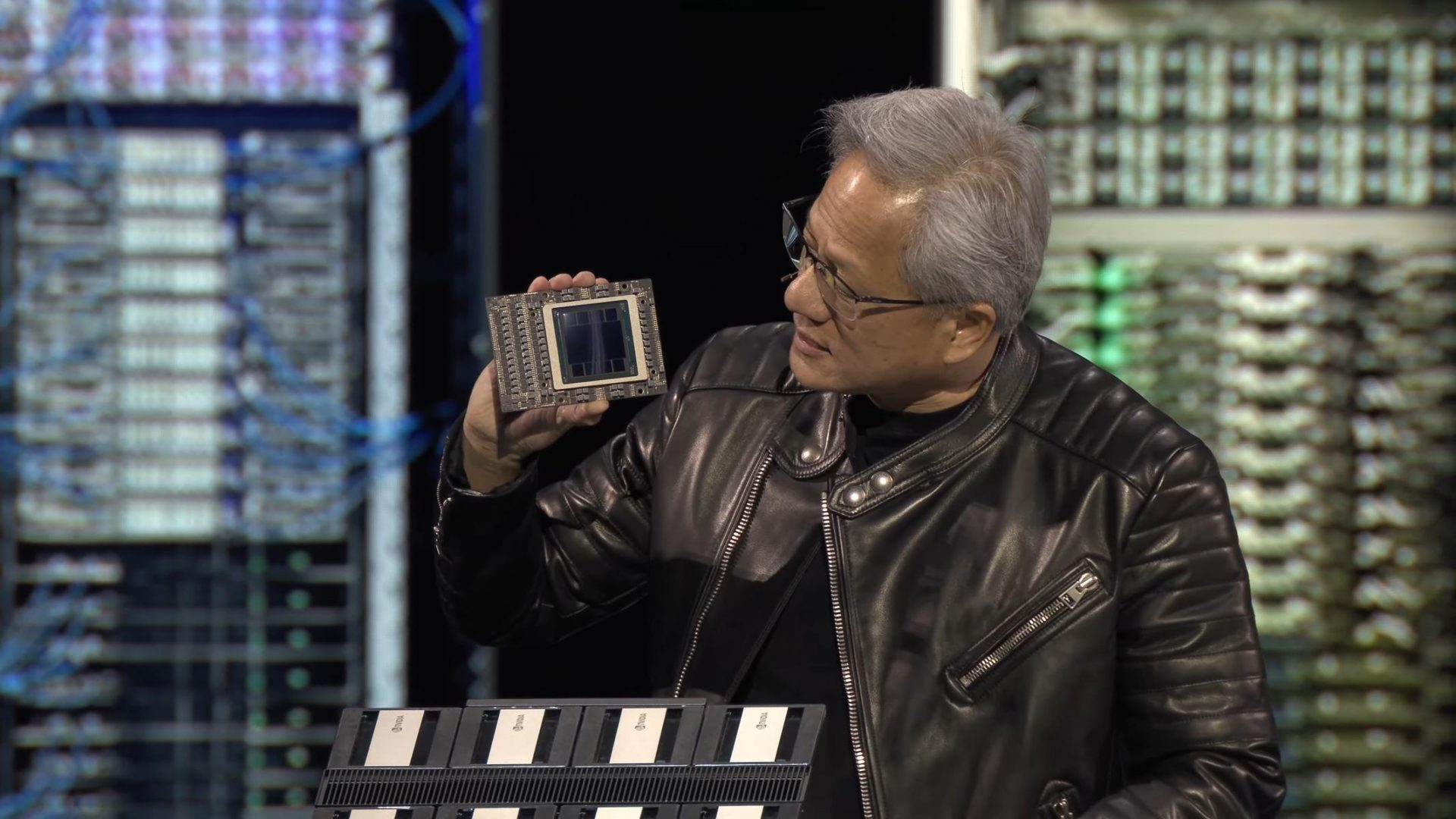
VR gaming is at a crossroads. A newly announced GPU model promises to bridge the gap between high-end performance and cost, but real-world adoption hinges on two critical factors: supply and price.
The GPU, designed for VR workloads, delivers up to 25% more rasterization power than its predecessor while maintaining a lower thermal design power. However, whether this translates into smoother frame rates in consumer hands depends on how aggressively manufacturers scale production—and how much buyers are willing to pay during a period of market volatility.
Performance vs. practicality
The GPU’s core innovation lies in its ability to balance raw performance with efficiency, which could address one of VR gaming’s biggest pain points: stuttering and latency. Benchmarks show it outperforms current mid-range GPUs in VR-specific tasks by up to 18%, but the real test will be how it handles the next generation of VR titles, which often push hardware to its limits.
Yet, efficiency gains come with tradeoffs. The GPU’s lower TDP means it generates less heat, but this also limits overclocking potential—a key factor for competitive VR players who rely on every frame per second they can squeeze out. Whether these constraints will be a dealbreaker depends on how developers optimize future games to leverage the hardware.
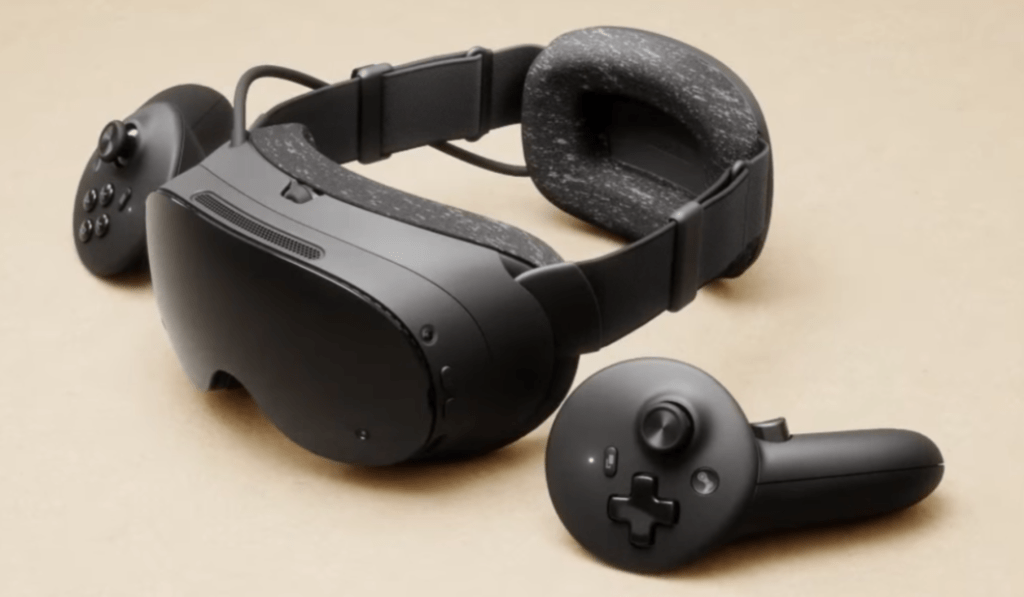
Supply and pricing: the wild cards
The GPU’s launch timing adds another layer of uncertainty. With global supply chains still adjusting, manufacturers are tight-lipped about exact availability windows, but early estimates suggest a staggered rollout starting in late 2024. Pricing remains fluid, with industry insiders suggesting a range between $699 and $799 for the base model, though discounts may appear as production ramps up.
For buyers, this means careful planning. The GPU’s performance is undeniably impressive, but its value proposition hinges on whether it can deliver consistent frame rates at those price points—especially when compared to existing solutions that offer similar performance at lower costs. VR gaming has always been a niche market, and this GPU may not change that unless supply meets demand.
Looking ahead, the biggest question isn’t just about hardware but about ecosystem growth. Will developers embrace this new generation of GPUs enough to justify its adoption? And will consumers see it as a must-have upgrade or another expensive experiment? The answers will determine whether VR gaming finally moves from the fringes to the mainstream—or if it remains stuck in limbo.