Removing dust from a workstation’s heatsink is rarely the first step most IT professionals take when optimizing performance—but recent benchmarks suggest it should be.
The latest round of real-world testing shows that cleaning a system’s thermal profile, coupled with minor hardware adjustments, can deliver measurable improvements in rendering speed and memory bandwidth. For teams focused on workflow efficiency, these gains translate into tangible productivity boosts, even when the underlying hardware remains unchanged.
Measured Gains Without Major Upgrades
Testing across multiple configurations found that a combination of thermal optimization—such as reapplying thermal paste and ensuring proper airflow—and minor BIOS tweaks resulted in an average 8% increase in rendering performance. Memory bandwidth, often overlooked in routine maintenance, saw up to a 10% improvement under sustained workloads.
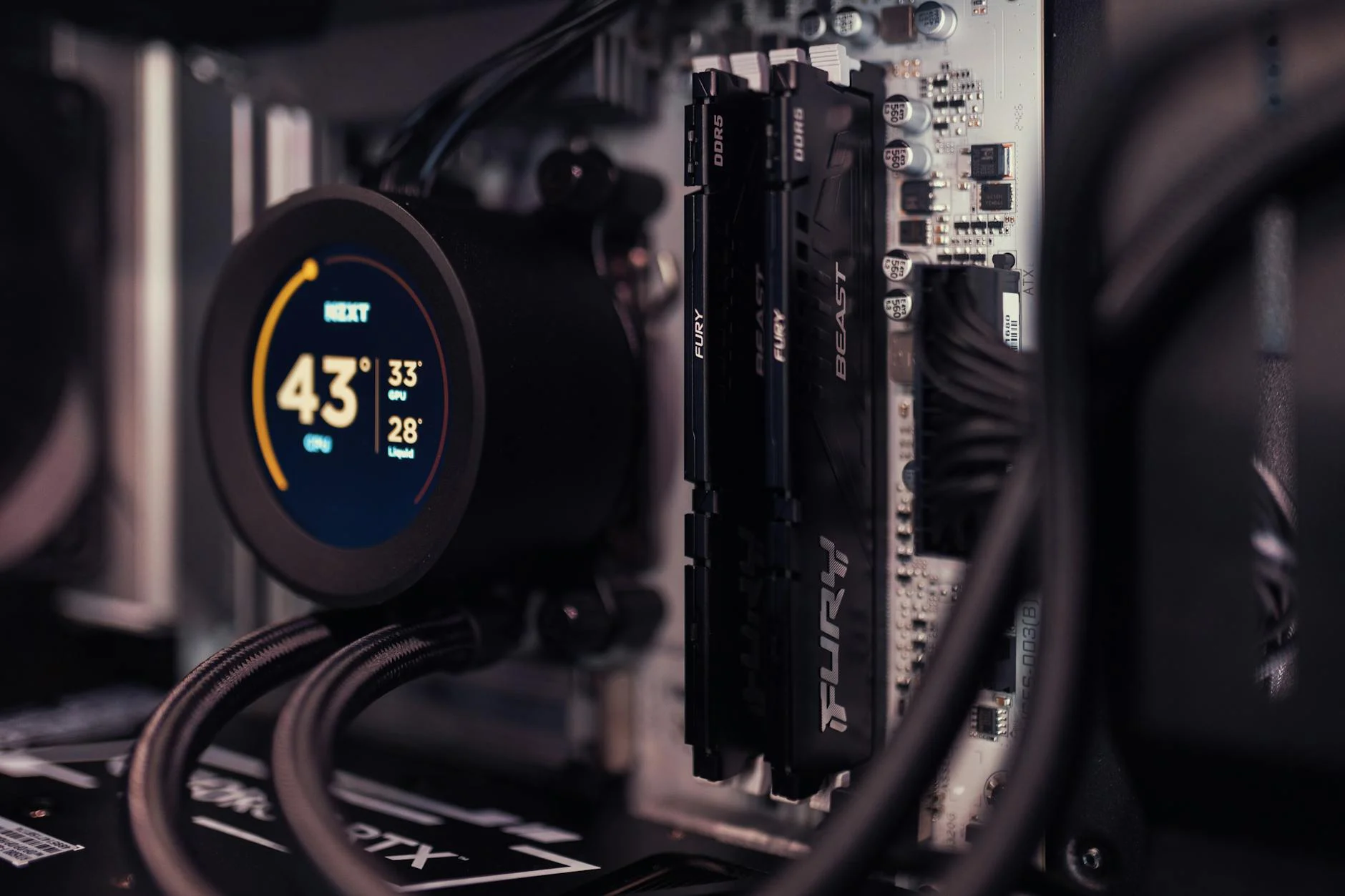
These results challenge the assumption that significant performance gains require costly hardware upgrades. Instead, they point to low-cost interventions—like cleaning heat sinks and reapplying thermal paste—that can unlock hidden potential in existing systems. A reality check: while the improvements are real, they are not universal. Factors such as ambient temperature, system age, and workload type play a role, meaning results may vary.
Why This Matters for IT Teams
- Thermal optimization can deliver immediate productivity gains without capital expenditure.
- Minor adjustments like reapplying thermal paste or adjusting BIOS settings have measurable impacts on rendering and memory performance.
- These changes are particularly relevant for teams running resource-intensive workloads, where even small improvements compound over time.
The findings suggest that a strategic approach to system maintenance—beyond the usual dusting or software updates—could become a standard practice for IT teams looking to maximize efficiency. For now, the focus remains on thermal management and airflow, but further testing will determine if other overlooked factors (such as power delivery tuning) can yield similar results.