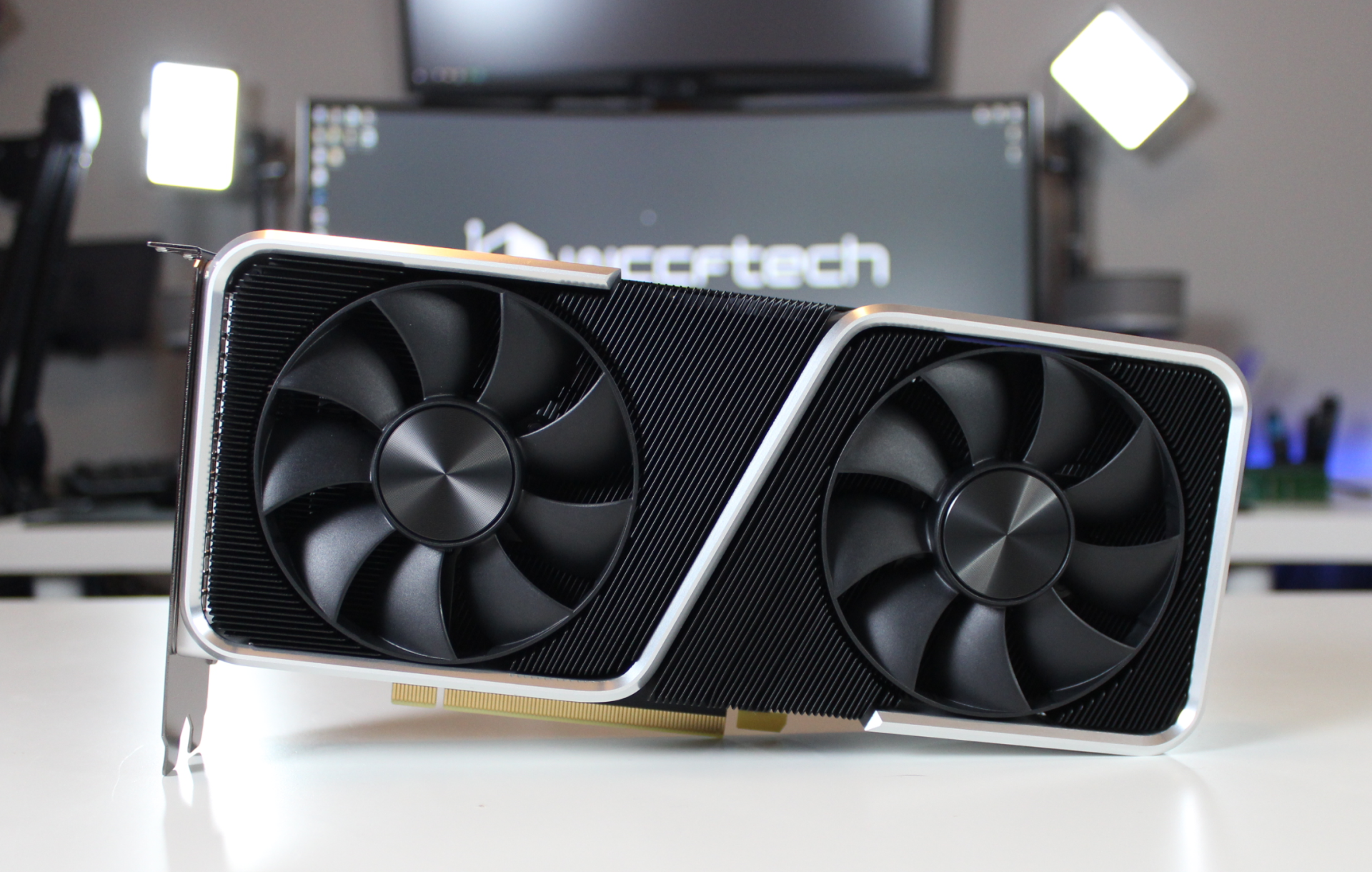
The RTX 3060 12 GB is poised to re-enter the market after months of uncertainty, but its late arrival may not be enough to shift the balance in NVIDIA’s favor. The original 6 GB model, when it launched, was already overshadowed by more capable options in the same price range. This version, with twice the VRAM, aims to address that gap—but at what cost? Engineers had to navigate tradeoffs between power draw, thermal performance, and memory bandwidth, leaving some key details still unclear.
NVIDIA’s decision to revive this SKU reflects a broader strategy of filling niche demand without disrupting its high-end roadmap. The RTX 3060 12 GB will run on the Ampere architecture, but unlike flagship models, it will lack DLSS 3 and other next-gen features. Instead, it’s targeting mid-range gamers who need more VRAM for modern titles—though whether that justifies its power consumption remains an open question.
Key Specifications
- Architecture: Ampere (GA106)
- VRAM: 12 GB GDDR6
- Memory Bus: 192-bit
- Base Clock: ~1.8 GHz (estimated, exact figures pending)
- Boost Clock: Up to 2.0 GHz (varies by manufacturer)
- TDP: 200W (typical, can exceed in overclocked states)
- API Support: DirectX 12 Ultimate, OpenGL 4.6, Vulkan 1.3
The 12 GB VRAM is the standout feature here, addressing a growing need for more memory to handle modern games at higher resolutions or with texture packs enabled. However, the power draw is notably higher than competitors in this tier, which could limit its appeal beyond well-ventilated builds. NVIDIA’s focus on efficiency in newer cards means this model may feel dated in some aspects—particularly without DLSS 3.
Market Context and Implications
The RTX 3060 12 GB isn’t arriving in a vacuum. AMD’s Radeon RX 6700 XT, for example, offers similar performance with better power efficiency, while NVIDIA’s own RTX 40 series has set a new bar for ray tracing and upscaling. This version is essentially a relic from the previous generation, repurposed to meet demand in a market that has since moved on. For IT teams evaluating future-proofing options, this card may only be viable for short-term needs—unless NVIDIA can demonstrate significant improvements in driver support or software optimizations.
Another uncertainty is pricing. The original RTX 3060 12 GB was expected to launch at around $450, but inflation and supply chain constraints could push it higher. If it lands above $500, its value proposition weakens further against newer alternatives. That said, for systems where VRAM is the primary bottleneck—such as content creation setups or high-resolution gaming—the extra capacity could still justify the cost.
The biggest unknown remains how NVIDIA will position this card in its software ecosystem. Without DLSS 3, it won’t benefit from AI upscaling, but strong performance in traditional rasterization could make it a sleeper hit for certain workloads. If driver updates bring meaningful improvements in stability or feature support, it might carve out a niche—though that’s far from guaranteed.
For IT teams, the RTX 3060 12 GB is likely a stopgap rather than a long-term solution. It’s not designed for future-proofing; instead, it’s a band-aid for systems where memory capacity is a limiting factor today. Whether that’s enough to sustain demand remains to be seen, but its late arrival suggests NVIDIA is banking on pent-up interest outweighing the competition.