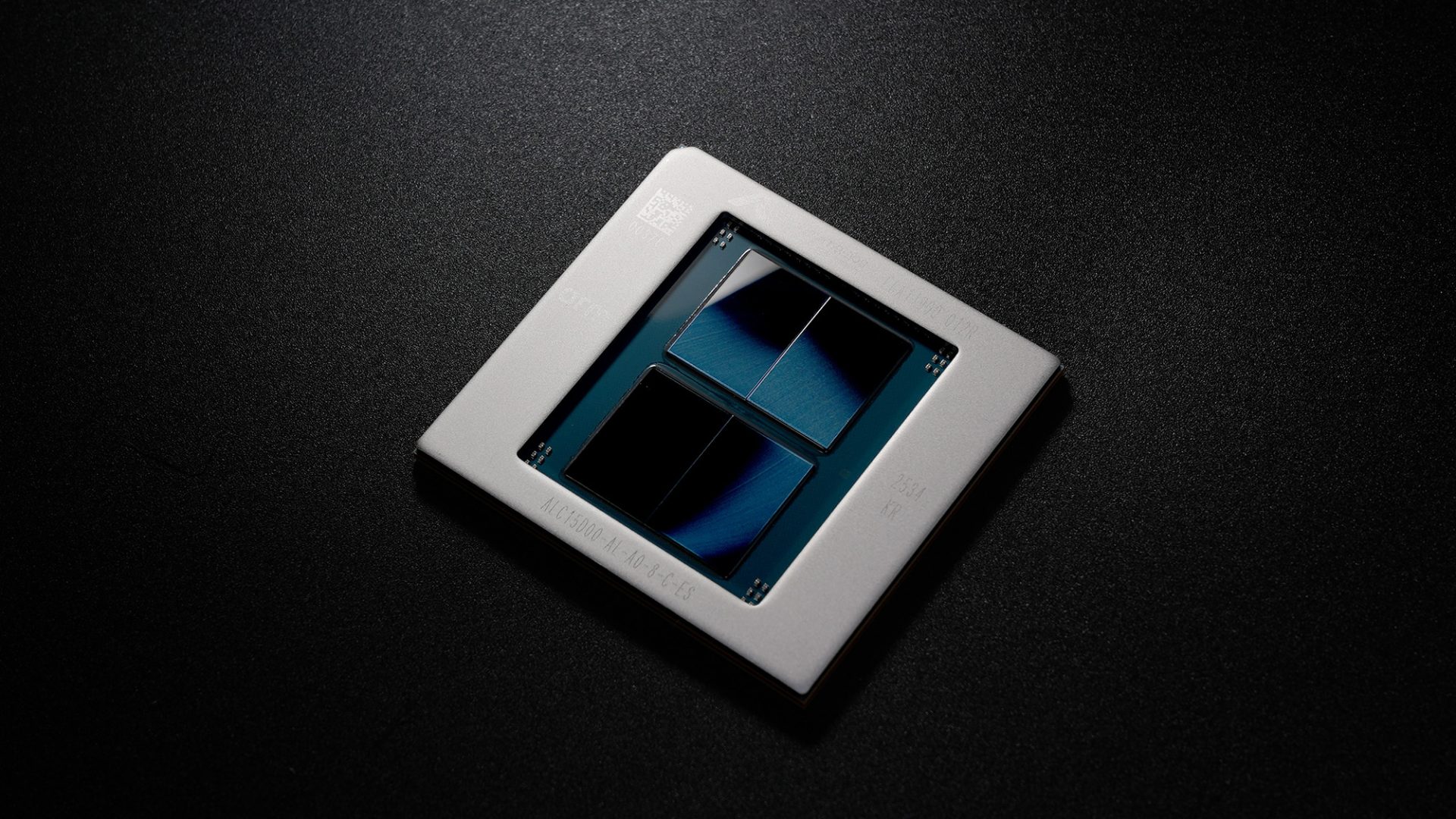
The gaming industry is at a crossroads, where technical ambition often outpaces real-world readiness. Valor Mortis, a title with heavy AI workloads, exemplifies this tension. Its delay from September to October 2026 isn’t just about a month’s shift—it’s a signal that the gap between development promises and hardware reality is widening.
One More Level, the studio behind Valor Mortis, has been working to stabilize the game’s technical foundation while ensuring it meets performance benchmarks for modern systems. The challenge lies in balancing cutting-edge graphics with the limitations of current hardware, a dynamic that could force players to upgrade sooner than expected or wait for mid-tier GPU releases.
Key Facts
- New launch window: October 2026 (previously September 2026)
- Development focus: Finalizing AI workloads and hardware compatibility
- Potential impact: Players may need to upgrade systems or face supply constraints
The delay itself doesn’t guarantee a flaw, but it does highlight the complexities of launching a title that pushes the boundaries of what current hardware can handle. For developers, this means fine-tuning performance metrics, while for players, it means preparing for potential shortages or price spikes on the hardware required to run Valor Mortis smoothly.
Broader Implications
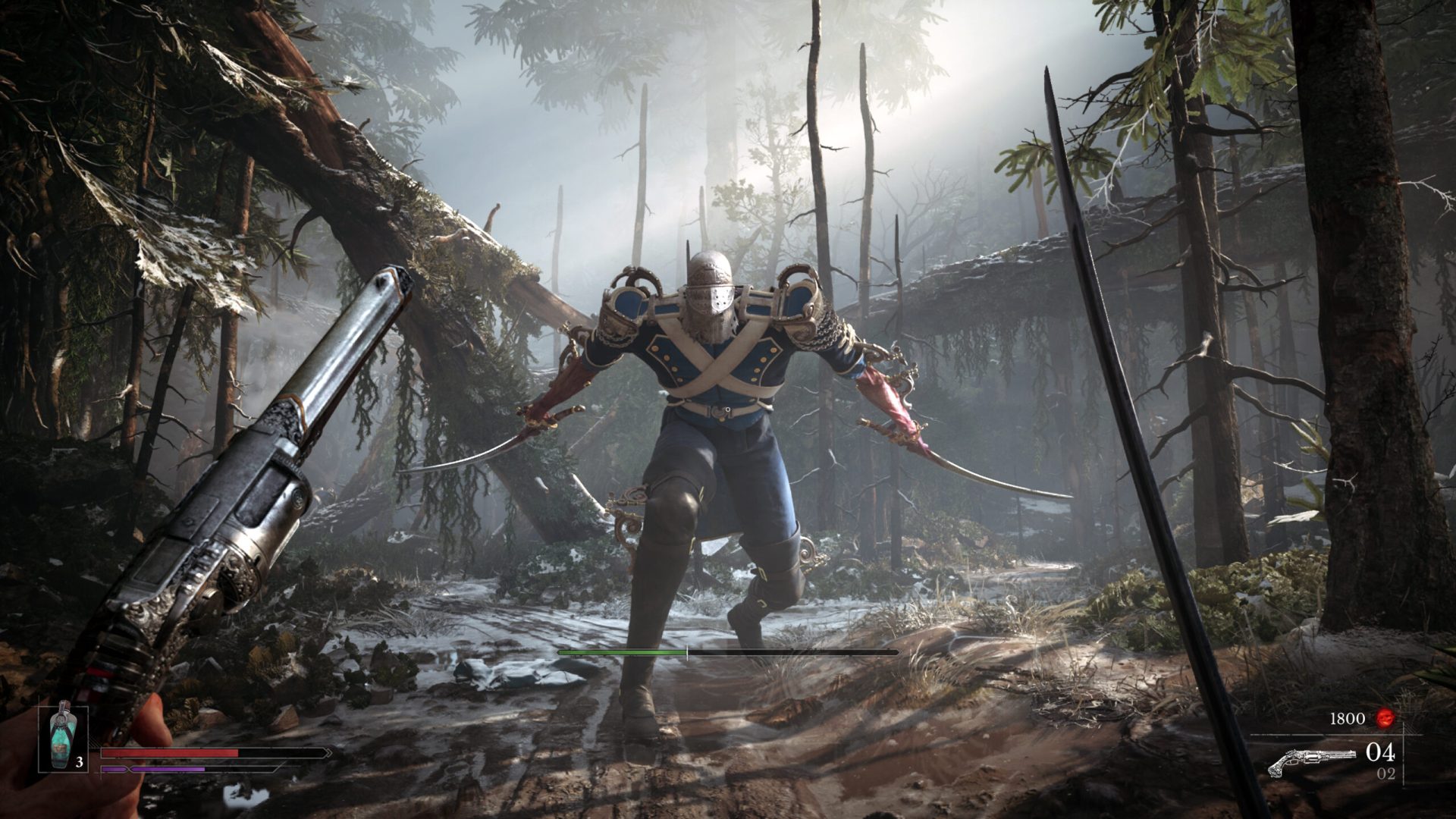
Valor Mortis isn’t just another game—it’s being positioned as a benchmark for how AI-driven gaming will evolve. If it delivers on its promises, it could set new expectations for future releases in terms of workload optimization and hardware compatibility. However, the delay introduces uncertainty, leaving players to wonder whether they should wait or upgrade now to avoid missing out.
The next few months will be critical in determining whether this delay is a minor setback or a sign of broader trends in gaming’s future. For now, the focus remains on ensuring that when Valor Mortis launches, it meets its performance targets without leaving players stranded by hardware shortages or price surges.